




01. Edit your form online
Type text, add images, blackout confidential details, add comments, highlights and more.

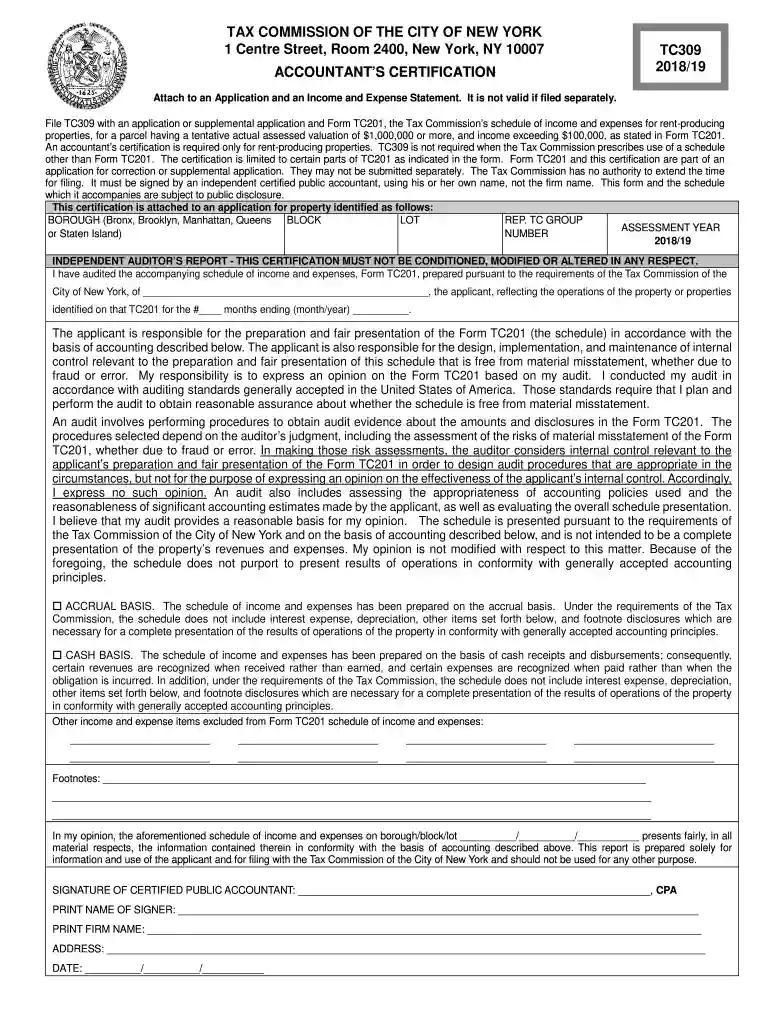
Type text, add images, blackout confidential details, add comments, highlights and more.

Draw your signature, type it, upload its image, or use your mobile device as a signature pad.

Send it via email, link, or fax. You can also download it, export it or print it out.
The "content 2015 form" serves as a government-issued document that is often required for specific regulatory or compliance purposes. This form might be utilized in taxation, business compliance, or legal settings, necessitating accurate data submission for proper documentation and assessment. While the exact function can vary depending on context and jurisdiction, the form's core objective is to capture relevant information from entities or individuals and facilitate their interaction with regulatory bodies.
The form's design ensures that users provide a comprehensive set of data, often required when filing taxes, applying for permits, or complying with industry-specific regulations. For example, in a taxation scenario, the form might collect detailed income and expense information to establish financial standing and tax liability.
Understanding how to properly use the content 2015 form is crucial for meeting submission requirements.
The content 2015 form typically includes several critical sections that collect necessary data.
Certain groups frequently use this form to meet regulatory obligations.


Recognizing practical examples can illuminate the form’s utility across various contexts.
Utilizing the form correctly ensures compliance and avoids legal complications.
While the general purpose of the form remains consistent, state-specific guidelines can lead to variations in its application.
Ensuring timely submission is a critical component of compliance related to the content 2015 form.
Failing to comply with the submission requirements of the content 2015 form can result in significant consequences.
Each section aims to provide in-depth insight into the respective aspects of the content 2015 form, detailing its use, requirements, and potential impacts for both individuals and businesses.
We've got more versions of the content 2015 form form. Select the right content 2015 form version from the list and start editing it straight away!
At DocHub, your data security is our priority. We follow HIPAA, SOC2, GDPR, and other standards, so you can work on your documents with confidence.
Mar 12, 2015 This newsletter is designed to keep you better informed about IBM Content Manager. OnDemand on all platforms. The newsletter.
All individuals who have the ability to control or influence the content of an educational activity must disclose all relevant relationships* *with any
Dec 31, 2015 Purpose of Form. Form 1095-A is used to report certain information to the. IRS about individuals who enroll in a qualified health plan.


