







Definition & Meaning
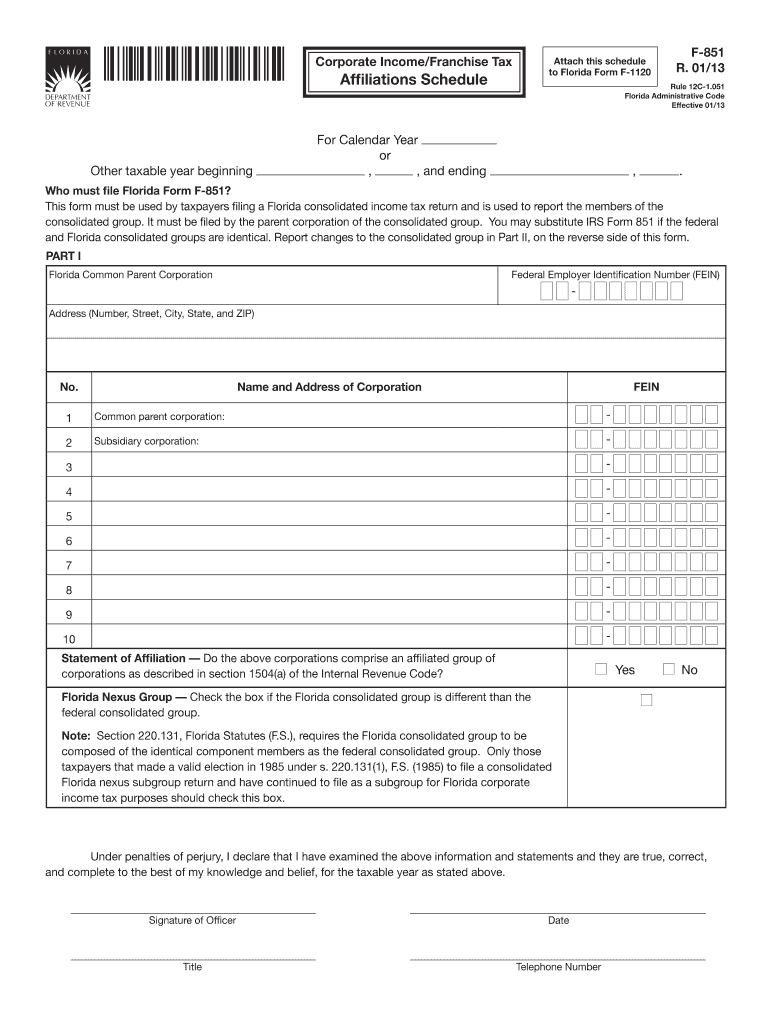
Chapter 12C-1 of the Florida Administrative Code governs the rules related to corporate income tax within the state of Florida. This set of regulations outlines the requirements and procedures for corporate entities doing business in Florida to ensure proper filing, compliance, and payment of state taxes. It serves as a comprehensive guide for corporations to navigate the complexities of corporate taxation within the state.
Key Aspects
- The chapter specifies how corporate income is computed for tax purposes.
- Guidelines for allowable deductions, credits, and exemptions are included.
- Provides detailed instructions on how net income is defined and reported.
Importance in Corporate Taxation
This regulation ensures that all corporations operate on a level playing field by adhering to standardized rules for tax reporting and payment. It is crucial for maintaining the state's revenue system and supporting public services through taxes collected from corporate entities.
How to Use the Chapter 12C-1 - Florida Administrative Code
Understanding how to utilize Chapter 12C-1 involves familiarizing oneself with its various sections and requirements. Businesses should integrate these regulations into their financial and accounting procedures to ensure compliance.
Steps for Proper Use
- Review the Code: Begin by thoroughly reading and understanding the various sections of the code relevant to your business operations.
- Consult with Professionals: Engage with tax professionals or legal advisors who specialize in Florida tax law to interpret complex sections.
- Develop Compliance Checklists: Create a checklist that outlines all necessary steps and documentation required for compliance.
Practical Application
Corporations can apply this code by incorporating its guidelines into their annual financial planning and tax preparation efforts. This ensures minimized risk of penalties and audits.
Steps to Complete the Chapter 12C-1 Compliance Process
Ensuring compliance with Chapter 12C-1 involves a series of steps that corporations must diligently follow.
Detailed Process
- Gather Necessary Documents: Collect financial records such as income statements, balance sheets, and previous tax returns.
- Calculate Taxable Income: Determine your corporation's taxable income based on state guidelines.
- Apply Deductions and Credits: Identify and apply any eligible deductions and credits as specified in the code.
- Complete Relevant Forms: Fill out the necessary tax forms, ensuring accuracy and compliance with stipulations.
- Submit Forms: Submit your completed forms via the appropriate channels, whether online or by mail.
Common Challenges
Corporations may encounter challenges such as understanding complex legal language or identifying applicable exemptions. Engaging with a tax attorney often helps navigate these difficulties.
Important Terms Related to Chapter 12C-1
Familiarity with key terms related to Chapter 12C-1 is essential for accurate comprehension and application.
Commonly Used Terms
- Net Income: The total profit of a corporation after subtracting expenses, taxes, and costs as defined by the code.
- Tax Deductions: Expenses that can be deducted from gross income to reduce taxable income.
- Exemptions: Specific areas where income may not be taxable under certain conditions.
Understanding Terminology
Understanding these terms helps corporations more effectively apply the code's guidelines, ensuring accurate tax reporting and compliance.
State-Specific Rules for the Chapter 12C-1
While the chapter provides a standard framework, there are state-specific rules within Florida that corporations need to acknowledge.
Florida-Specific Guidelines
- Apportionment Rules: Defines how income is allocated to Florida in cases where a corporation operates in multiple states.
- Filing Requirements: Specific deadlines and procedures for filing the state corporate tax return.
- Penalties for Late Submission: Outlines financial repercussions for failing to meet filing and payment deadlines.
Implications for Businesses
Being aware of these state-specific rules helps businesses fine-tune their compliance strategies, reducing potential liabilities and penalties.
Examples of Using Chapter 12C-1
Examining real-world scenarios where the Chapter 12C-1 code has been applied can provide valuable insights.
Case Studies
- Manufacturing Corporation: A large manufacturer uses Chapter 12C-1 to calculate and report income earned from sales within Florida.
- Multi-State Entity: A corporation operating in various states uses apportionment rules to determine the portion of income taxable by Florida.
Learning from Examples
These cases illustrate practical applications of the code and highlight the importance of understanding and correctly implementing its provisions in various business contexts.
Penalties for Non-Compliance
Non-compliance with Chapter 12C-1 can result in severe penalties, affecting a corporation's financial health and reputation.
Types of Penalties
- Financial Penalties: These may include fines and interest on unpaid taxes.
- Legal Repercussions: Continued non-compliance could lead to legal action from the state.
- Reputational Damage: Non-compliance can harm a corporation's public image and lead to loss of stakeholder trust.
Mitigating Non-Compliance
To mitigate the risk of penalties, corporations should regularly review their compliance status, conduct internal audits, and seek professional advice when necessary.
Software Compatibility (TurboTax, QuickBooks, etc.)
Utilizing software for compliance with Chapter 12C-1 can streamline the tax filing process, offering greater accuracy and efficiency.
Compatible Software Options
- TurboTax: Offers modules that help businesses navigate Florida's corporate tax regulations.
- QuickBooks: An accounting software that assists with managing financial data relevant to tax reporting.
Benefits of Software Utilization
Leveraging these technological tools ensures that businesses can efficiently handle tax calculations, form submissions, and data management, reducing human error and enhancing compliance efforts.




