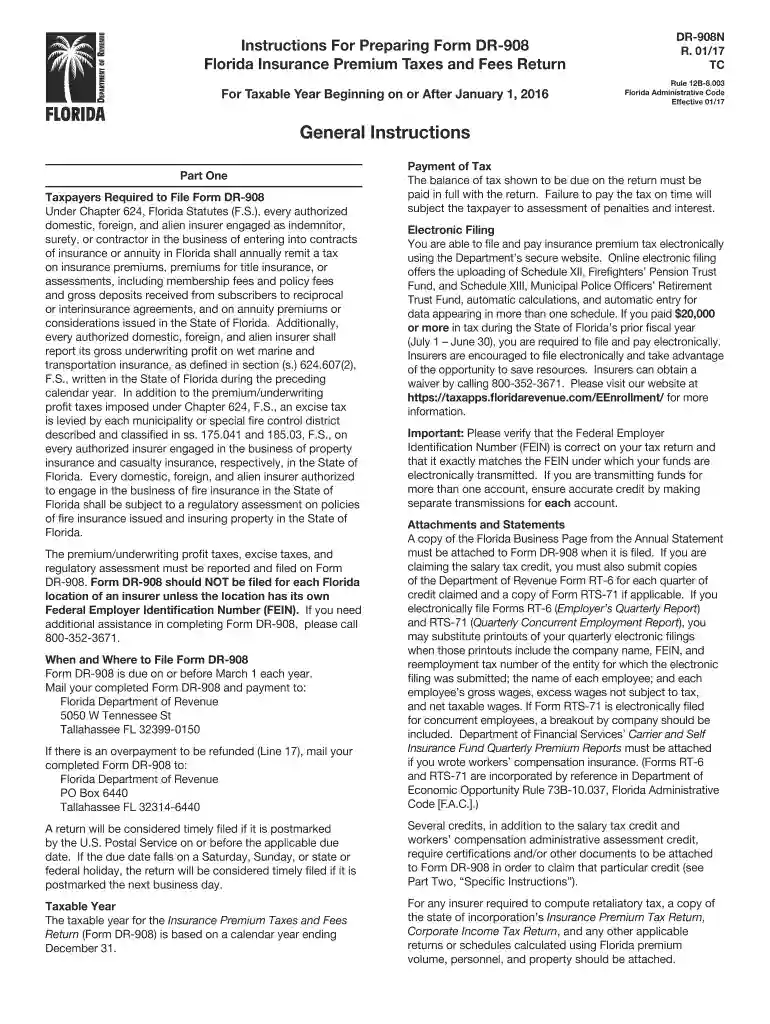
For Taxable Year Beginning on or After January 1, 2016-2026

Get Form
For Taxable Year Beginning on or After January 1, 2016 Preview on Page 1

Here's how it works

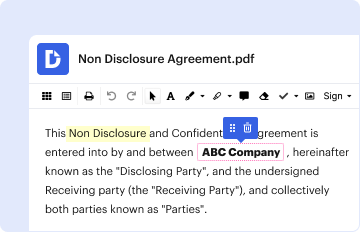
01. Edit your form online
Type text, add images, blackout confidential details, add comments, highlights and more.

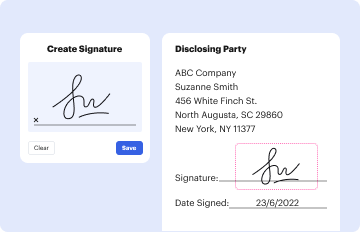
02. Sign it in a few clicks
Draw your signature, type it, upload its image, or use your mobile device as a signature pad.

03. Share your form with others
Send it via email, link, or fax. You can also download it, export it or print it out.

Definition & Meaning

The phrase "For Taxable Year Beginning on or After January 1, 2016" typically refers to the specific time frame during which tax regulations or requirements become applicable. In this context, it indicates that certain tax codes, regulations, or forms introduced in legal documents apply to taxable years that start on or after this date. This cutoff is significant because it marks changes in tax legislation that might impact how taxpayers calculate liabilities or complete their tax returns.

  • Examples: Many state-specific forms and tax regulations adopt new compliance measures starting from this defined date.
  • Real-World Impact: Businesses need to revise their accounting practices from this year to ensure compliance with new laws.

How to Use the Form "For Taxable Year Beginning on or After January 1, 2016"

Utilizing forms labeled as applicable "For Taxable Year Beginning on or After January 1, 2016" involves several steps to ensure that you follow the updated tax regulations appropriately.

  1. Identify Relevance: Verify that your taxable year falls under this timeframe. This is crucial for compliance.
  2. Review Instructions: Thoroughly read any specific instructions accompanying the form to understand context and requirements.
  3. Complete the Form Accurately: Enter all requested information accurately, reflecting your financial activities correctly as required under the updated guidelines.

Steps to Complete the Form

Completing a form intended "For Taxable Year Beginning on or After January 1, 2016" involves a methodical approach:

  1. Gather Necessary Documentation: Collect all relevant documents such as income statements, deductions, or credits applicable for the current taxable year.
  2. Fill Out Personal Information: Start by entering personal or business details such as names, addresses, and taxpayer identification numbers.
  3. Report Financial Information: Include accurate and detailed financial data, reflecting any changes specified for this period.
  4. Double-check Compliance Sections: Ensure that you've adhered to new regulations specific to this timeframe. This includes updated deductions or credits.
  5. Submission: Follow the proper procedure for submitting the form, whether it's online, via mail, or in-person.

Checklist for Completion

  • Ensure all sections are filled.
  • Verify calculations.
  • Attach all required supporting documents.

Filing Deadlines / Important Dates

Understanding the deadlines is crucial for timely compliance with tax obligations that apply "For Taxable Year Beginning on or After January 1, 2016."

  • Regular Filing Deadlines: Typically, tax returns are due by April 15 for individuals and March 15 for corporations in the United States. Verify the specific deadlines for state or federally mandated forms that might have unique timelines.
  • Extensions: If an extension is necessary, file Form 4868 for individuals or Form 7004 for businesses to obtain additional time, generally up to six months.

Required Documents

Compiling the appropriate set of documents is necessary for completing your tax obligations for years beginning on or after January 1, 2016.

  • Income Documentation: W-2s, 1099s, profit and loss statements.
  • Deductions and Credits: Receipts, invoices, or other proof of eligible deductions or credits.
  • Previous Tax Returns: Reference earlier filings to ensure consistency and accuracy.

Key Elements of the Form

The form retains several critical sections that need attention for accurate submission:

  • Income Reporting: Align income reporting with new requirements applicable from the beginning date specified.
  • Deductions Section: Identify and update eligible deductions aligning with new tax laws.
  • Signature and Date: Ensure the form is signed and dated, confirming the accuracy of the information provided.

Penalties for Non-Compliance

Failure to adhere to the updated requirements for filing can result in significant penalties, making compliance a critical aspect of tax filing for the specified period.

  • Penalties for Late Filing: Typically, the IRS imposes a penalty of 5% of the unpaid taxes for each month or part of a month that a tax return is late, up to a maximum of 25%.
  • Accuracy Penalties: Misreporting or underreporting can lead to penalties ranging from 20% to 40% of the omitted tax amount.

Legal Use of the Form

Utilizing the form in accordance with legal standards ensures adherence to the specific regulations effective from January 1, 2016.

  • Authorization for Use: Only authorized individuals or entities should use the form as prescribed by state or federal law.
  • Confidential Information Handling: Ensure all personal or financial data entered is handled in compliance with privacy laws to prevent unauthorized access.

These sections ensure that you have a comprehensive understanding and practical guidelines for effectively managing your tax obligations for taxable years beginning on or after January 1, 2016, following the updated legal requirements.

See more For Taxable Year Beginning on or After January 1, 2016 versions

We've got more versions of the For Taxable Year Beginning on or After January 1, 2016 form. Select the right For Taxable Year Beginning on or After January 1, 2016 version from the list and start editing it straight away!
Versions Form popularity Fillable & printable
2024 4.5 Satisfied (21 Votes)
2023 4.4 Satisfied (59 Votes)
2022 4.8 Satisfied (157 Votes)
2021 4.4 Satisfied (175 Votes)
2020 4.3 Satisfied (178 Votes)
2019 4.4 Satisfied (138 Votes)
2018 4.3 Satisfied (225 Votes)
2017 4.4 Satisfied (56 Votes)
2015 4.4 Satisfied (280 Votes)
be ready to get more

Complete this form in 5 minutes or less

Get form

Got questions?

We have answers to the most popular questions from our customers. If you can't find an answer to your question, please contact us.
Contact us
Step By Step To Obtain Your SA302s (Tax Calculations) Log into the HMRC online account. Scroll down and Log In. Select Self Assessment Follow the link Get SA302 Tax Calculation for tax year 20xx to 20xx Click View your Calculation Scroll to the bottom of the page. Click View and print your calculation
Calendar Tax Year: This is a period of 12 consecutive months beginning January 1 and ending December 31; or. Fiscal Tax Year: This is a period of 12 consecutive months ending on the last day of any month except December.
Wage-earning people pay taxes throughout the calendar tax year. Early in the following year, usually before April 15, they report the wages they paid to the Internal Revenue Service (IRS) and either pay any shortfall in their taxes due or request a refund of taxes overpaid.
Key Takeaways You generally have to file a 2024 federal income tax return if your gross income is at least as much as your Standard Deduction for the year. The deadline for filing 2024 federal tax returns is April 15, 2025.
There are two kinds of tax years: Calendar Tax Year: This is a period of 12 consecutive months beginning January 1 and ending December 31; or. Fiscal Tax Year: This is a period of 12 consecutive months ending on the last day of any month except December.

Security and compliance

At DocHub, your data security is our priority. We follow HIPAA, SOC2, GDPR, and other standards, so you can work on your documents with confidence.

Learn more
ccpa2
pci-dss
gdpr-compliance
hipaa
soc-compliance

People also ask

A tax year is an annual accounting period for keeping records and reporting income and expenses. An annual accounting period does not include a short tax year. The tax years you can use are: Calendar year 12 consecutive months beginning January 1 and ending December 31.
The tax years you can use are: Calendar year 12 consecutive months beginning January 1 and ending December 31. Fiscal year 12 consecutive months ending on the last day of any month except December.
HMRC PAYE Code In the UK, the tax year (also called the financial or fiscal year) starts on 6 April and ends on 5 April of the following year. For example, the 2025/26 tax year will end on 5 April 2026, and the 2026/27 tax year begins on 6 April 2026.

Related links