







Definition & Meaning
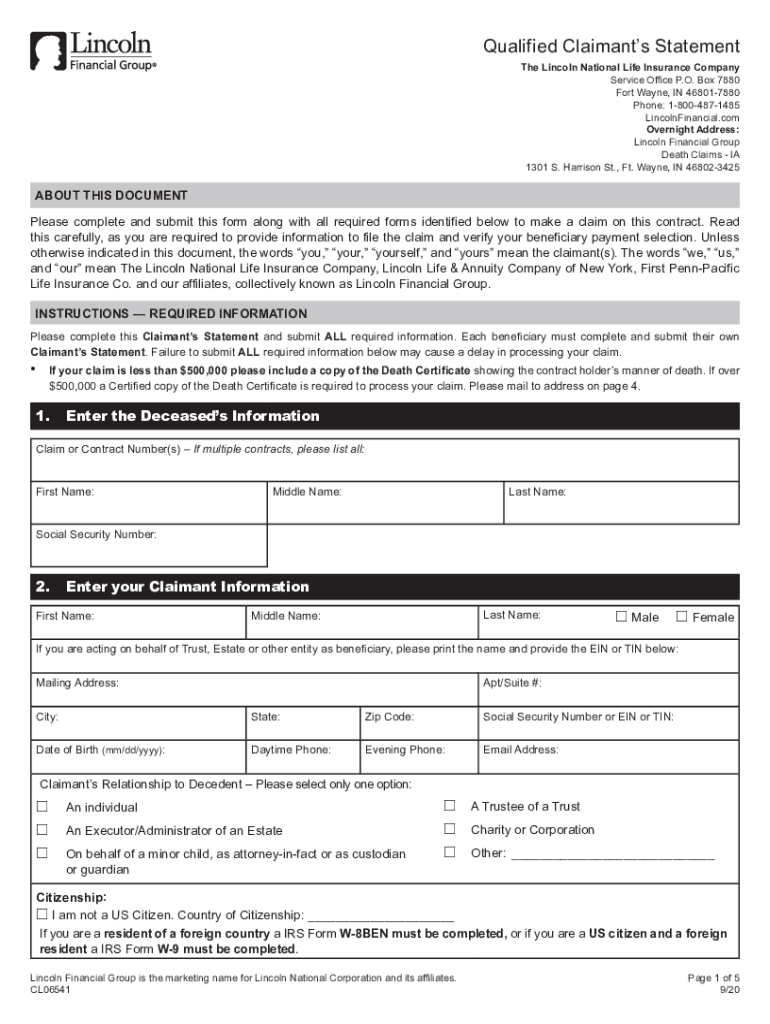
The Fillable Online Qualified Annuity Claimant39s Statement is a critical document used by beneficiaries to file claims on a life insurance contract or annuity. Specifically designed for convenience, it allows users to easily input and submit necessary information for processing these claims. This document serves not just as an information sheet but as a formalized step in claiming benefits following the insured's death. By utilizing the fillable format, claimants can ensure accuracy and completeness, reducing the chances of processing delays.
How to Use the Fillable Online Qualified Annuity Claimant39s Statement
Using the Fillable Online Qualified Annuity Claimant39s Statement is straightforward, thanks to its user-friendly design. Users can access the form on platforms like DocHub, which allows for a seamless editing experience. Here’s how to navigate the process:
- Access the Form: Begin by downloading the form from an authorized online source, such as DocHub.
- Fill Out Basic Information: Input the deceased's personal details, including full name, policy number, and date of death.
- Enter Claimant Information: Include your contact information, relationship to the deceased, and any other required identification details.
- Specify Payment Preferences: Choose how you would like to receive the annuity payments.
- Review and Sign: After filling in all necessary sections, review the form for accuracy, electronically sign it, and save the document.
Steps to Complete the Fillable Online Qualified Annuity Claimant39s Statement
Successful completion of the form requires attention to detail. Here’s a step-by-step guide:
- Gather Required Documents: Before starting, gather necessary details such as the deceased’s death certificate, social security number, and policy information.
- Input Personal Details: Fill out both the deceased’s and your personal details accurately.
- Complete Payment Details: Indicate the preferred method for receiving payments—options may include direct deposit or check.
- Attach Necessary Documentation: Upload supporting documents that verify your identity and claim legitimacy.
- Finalize and Submit: Double-check entries, complete any remaining sections, and electronically sign the document. Submit it online directly through the platform or download and send it via mail.
Key Elements of the Fillable Online Qualified Annuity Claimant39s Statement
The form comprises several essential components that must be accurately completed:
- Claimant Information: Includes your name, contact details, and relationship to the deceased.
- Insured's Details: Contains the deceased’s essential information, such as name and policy number.
- Beneficiary Information: Describes your status as a beneficiary and any other relevant details.
- Payment Options: Allows selection among various payout methods.
- Tax Withholding Instructions: Provides options to elect or waive voluntary tax withholding on the payout.
Legal Use of the Fillable Online Qualified Annuity Claimant39s Statement
Completing the form correctly is important for legal reasons, as it formally begins the benefit disbursement process under contract law. Misrepresentations or omissions can lead to processing delays or even claim denial. Therefore, ensuring all details are factual and complete not only facilitates prompt payment but also mitigates legal risks such as accusations of fraud or misrepresentation.
Important Terms Related to the Fillable Online Qualified Annuity Claimant39s Statement
Understanding specific terminology is crucial for accurate form completion:
- Beneficiary: The individual entitled to receive benefits upon the insured’s death.
- Annuity: A financial product that pays out a fixed stream of payments to an individual, primarily used as income during retirement.
- Policyholder: The original owner of the insurance policy or annuity contract.
- Tax Withholding: The income tax deduction option from annuity payments.
Who Typically Uses the Fillable Online Qualified Annuity Claimant39s Statement
This form is primarily utilized by beneficiaries of life insurance policies or annuities. Common users include spouses, children, or legal guardians of the deceased. Additionally, executors of estates or legal representatives may use the form to initiate claims on behalf of beneficiaries.


Filing Deadlines / Important Dates
Adhering to deadlines is essential to avoid complications. Typically, claims should be filed as soon as possible after the policyholder's death to ensure timely benefit disbursement. Some insurance companies might have specific windows within which beneficiaries must file claims, so it’s important to check provider guidelines. Notifications of claims should ideally match the insurer's policy terms to prevent complications.
Required Documents
When filling out the form, certain documents must be submitted:
- Death Certificate: Verifies the insured's passing.
- Proof of Identity: Such as a driver's license or passport for the claimant.
- Policy Documentation: Includes copies of the insurance policy or annuity contract.
- Beneficiary Designation Form: If applicable, to confirm the claimant’s beneficiary status.
These elements ensure that the claim is processed efficiently and accurately, contributing to the seamless facilitation of benefits following the policyholder's death.




