



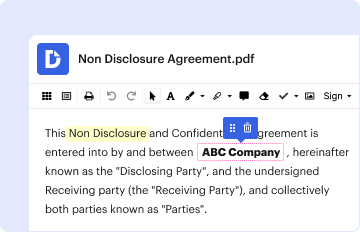
01. Edit your form online
Type text, add images, blackout confidential details, add comments, highlights and more.

Type text, add images, blackout confidential details, add comments, highlights and more.
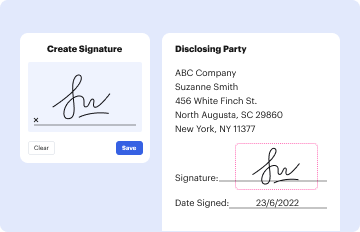
Draw your signature, type it, upload its image, or use your mobile device as a signature pad.

Send it via email, link, or fax. You can also download it, export it or print it out.
The 2017 Maine Pass Through Withholding - 1099ME is a tax document used primarily to report Maine income tax withheld from distributive income for nonresident owners of pass-through entities. This form is essential for nonresidents who have an ownership stake in Maine-based partnerships, S corporations, and similar entities that distribute income across state lines. Its primary purpose is to ensure that the appropriate amount of state income tax is withheld and reported, which aids nonresident taxpayers in their filing process by documenting the withheld taxes on their Maine income tax returns.
Key elements included in the form are the entity's vital details, such as name and identification number, as well as the nonresident recipient's information and the amount of state tax withheld. The form ensures compliance with Maine’s tax laws by allowing nonresidents to account for the income generated within Maine and the taxes withheld correctly.
When utilizing the 2017 Maine Pass Through Withholding - 1099ME, preparers must follow a detailed process to accurately report withholding details. Here are the steps typically involved:
Gather Entity Information: Before completing the form, gather essential details about the pass-through entity and the nonresident owner. This includes names, addresses, and tax identification numbers.
Report Withholding Amounts: Clearly indicate the amount of tax withheld from the distributive income. These figures will directly affect the nonresident’s tax return.
Submit with Tax Return: Nonresident owners must attach this form when they file their Maine income tax returns. This submission helps verify the amount withheld and prevents double taxation through accurate crediting of withheld taxes.
This process ensures that all parties comply with Maine tax regulations, helping nonresident owners receive correct credits for taxes paid and supporting seamless tax reporting.
The 2017 Maine Pass Through Withholding - 1099ME is primarily used by nonresident individuals who are owners or stakeholders in pass-through entities operating in Maine. Such entities may include:
Partnerships and LLCs: These organizations often distribute income to partners or members who do not reside in Maine, necessitating documentation of withheld taxes.
S Corporations: Shareholders of these corporations may need to report their proportion of income and the taxes withheld in Maine.
This form ensures that these nonresident taxpayers are fully informed of their tax liabilities associated with income earned from Maine-based entities and have the necessary documentation to file their state tax returns accurately.


Completing the 2017 Maine Pass Through Withholding - 1099ME involves precise attention to detail to ensure the correct reporting of withheld taxes. Below is a basic step-by-step guide:
Input Entity Information: Fill in the basic information for the entity, including name, address, and federal identification number.
Enter Recipient Details: Document the personal and contact information of the nonresident recipient, ensuring it's accurate and up-to-date.
List Withholding Details: Accurately enter the total amount of taxes withheld during the fiscal year. This amount should match the entity’s internal records to ease reconciliation.
Review and Attach Supporting Documents: Double-check the entered figures and ensure all required documentation accompanies the form, particularly if additional withholding or distributions occurred during the year.
Finalize and Include with Tax Filing: Upon confirming the form’s accuracy, it should be included in the nonresident’s Maine tax filing for that year.
By following these procedures, individuals and entities can help ensure compliance with state tax regulations and avoid potential delays or penalties.
Several critical components must be included in the 2017 Maine Pass Through Withholding - 1099ME to ensure its validity:
Entity Identification: The pass-through entity must be clearly identified, using an accurate federal employer identification number and full legal name.
Tax Withholding Details: Exact amounts of income tax withheld must be recorded to reflect the precise portion of income distributed to nonresident owners.
Nonresident Owner Information: Detailed information about the recipient, including name and taxpayer identification number, ensures proper crediting on their tax returns.
These elements ensure accurate tracking and validation of withheld tax amounts, assisting both the entity and the recipient in maintaining compliance with Maine tax laws.
For the 2017 tax year, adhering to filing deadlines is key to avoiding penalties. Generally, the 1099ME form should coincide with the annual tax return filed by nonresidents. Here are some important considerations:
Annual Filing Date: The form should typically accompany the recipient's tax return, which is due in mid-April. Specific deadlines may vary, so checking with state guidelines is advisable.
Extensions: If an extension is necessary, be aware of the additional forms required to apply and any subsequent deadlines that result from approved extensions.
Record Keeping: Entities should maintain records for each 1099ME issued for at least three years in case of audits or reviews.
Being aware of these deadlines ensures that all parties meet their responsibilities in reporting and filing withholding information punctually.
The 1099ME form serves an important legal function in ensuring compliance with tax regulations governing nonresident income. Important aspects include:
Verification of Tax Withholding: The form legally substantiates the amount of tax withheld from a nonresident's distributive share, providing a record for both the taxpayer and the state.
Credits and Deductions: Accurately completed forms allow for correct application of credits against owed taxes, avoiding disputes and potential audits.
Compliance Requirement: Businesses must issue these forms to avoid legal repercussions, ensuring taxes are properly withheld and documented, in line with Maine law.
These legal considerations underscore the necessity of completing and distributing 1099ME forms promptly and accurately each year.
The practical application of the 2017 Maine Pass Through Withholding - 1099ME can be seen in various scenarios:
Small Business Partnerships: A Maine-based partnership that distributes income to nonresident partners would need to complete a 1099ME to ensure the appropriate tax is accounted for and reported.
S Corporation Distribution: If a shareholder residing out of state receives a share of income from a Maine S corporation, a correctly prepared 1099ME ensures that withheld taxes are properly documented for crediting on the nonresident’s tax return.
Real Estate Investments: A nonresident involved in a Maine property investment through a pass-through entity might see significant income and tax withholding reported via the 1099ME, ensuring tax liabilities are managed and credits appropriately applied.
By applying the 1099ME in these situations, stakeholders can effectively manage their tax affairs despite geographical separation, highlighting its vital role in cross-state tax compliance.
We've got more versions of the 2017 Maine Pass Through Withholding -- 1099ME - maine form. Select the right 2017 Maine Pass Through Withholding -- 1099ME - maine version from the list and start editing it straight away!
| Versions | Form popularity | Fillable & printable |
|---|---|---|
| 2024 | 4.1 Satisfied (58 Votes) | |
| 2023 | 4.5 Satisfied (29 Votes) | |
| 2022 | 4.9 Satisfied (46 Votes) | |
| 2021 | 4.8 Satisfied (199 Votes) | |
| 2020 | 4.2 Satisfied (70 Votes) | |
| 2019 | 4.3 Satisfied (38 Votes) | |
| 2018 | 4.4 Satisfied (51 Votes) | |
| 2017 | 4.3 Satisfied (29 Votes) | |
| 2016 | 4.3 Satisfied (182 Votes) | |
| 2012 | 4 Satisfied (23 Votes) |
At DocHub, your data security is our priority. We follow HIPAA, SOC2, GDPR, and other standards, so you can work on your documents with confidence.
Form 1099ME is not used to report wage withholding or estimated income tax payments. Affected members must submit this form with their Maine income tax return.
by AA Tait 2017 Cited by 29 ABSTRACTThere is no such thing as corporate family law. But there are corporate families, and corporate families fight. What happens when.


