Oil assessment rendition - Kansas Department of Revenue 2026

Get Form
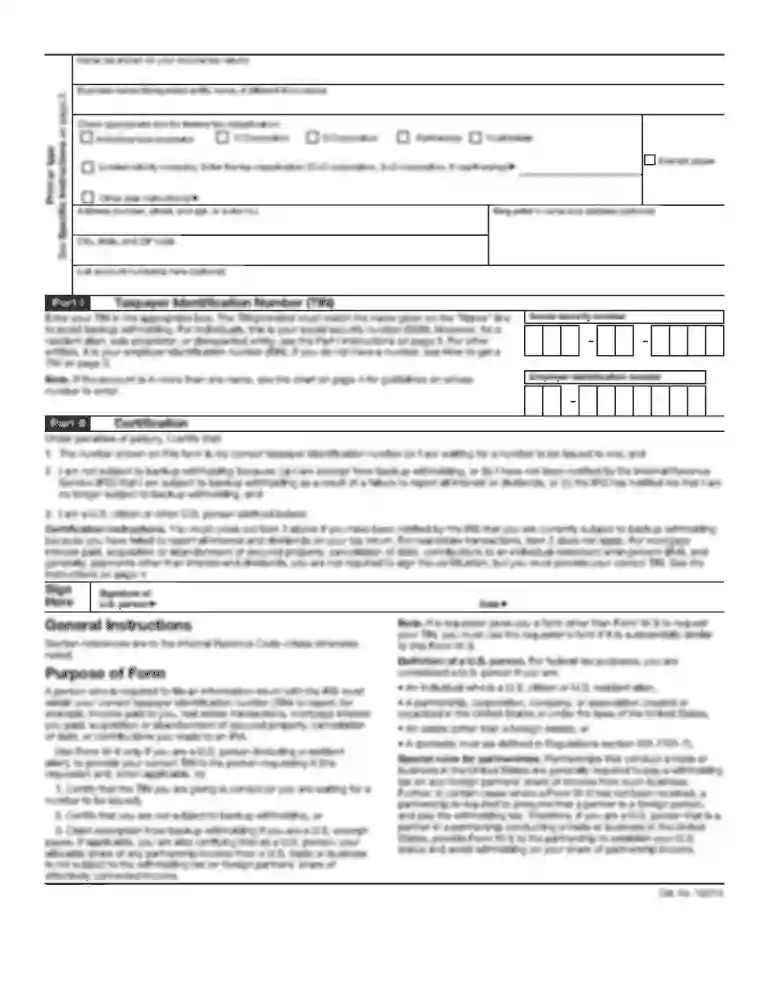
oil assessment rendition - Kansas Department of Revenue Preview on Page 1

Here's how it works

01. Edit your form online
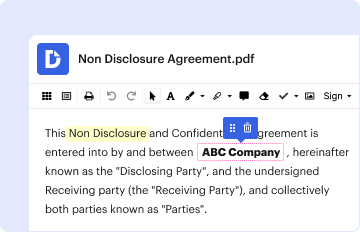
Type text, add images, blackout confidential details, add comments, highlights and more.

02. Sign it in a few clicks
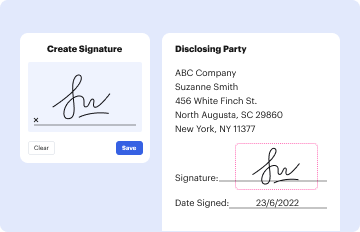
Draw your signature, type it, upload its image, or use your mobile device as a signature pad.

03. Share your form with others
Send it via email, link, or fax. You can also download it, export it or print it out.

Definition and Purpose of the Oil Assessment Rendition

The Oil Assessment Rendition is a tax form mandated by the Kansas Department of Revenue, used to report the value of oil properties for tax assessment purposes. This document plays a crucial role in ensuring the accurate valuation of oil production and associated properties, which directly impacts tax liabilities. It generally includes detailed information sections such as property identification, lease data, production figures, and gross reserve calculations. Additionally, itemized equipment lists are also a part of the form. The form is essential for oil property owners to certify the accuracy of their data and maintain compliance with state tax regulations.

How to Obtain the Oil Assessment Rendition Form

To obtain the Oil Assessment Rendition form, property owners can visit the Kansas Department of Revenue's official website, where downloadable PDF versions are available. Alternatively, local county appraisers' offices may provide physical copies upon request. It is important for filers to ensure they obtain the most recent version of the form to comply with current tax year requirements.

Online Resources

  • Kansas Department of Revenue official website
  • County appraiser's offices

Steps to Complete the Oil Assessment Rendition Form

Completing the Oil Assessment Rendition form involves several specific steps. Here's a breakdown of the typical process:

  1. Review and Gather Information: Collect necessary documentation, including property details, lease agreements, and production reports. Ensure all data is accurate and up-to-date.
  2. Property Identification: Enter the property's legal description and parcel number. This ensures specific identification of the assessed property.
  3. Lease Data: Provide detailed information on leasing arrangements, including lease terms, parties involved, and any relevant conditions.
  4. Production Data: Record production totals for the relevant tax year, including details on production type and volume.
  5. Gross Reserve Calculation: Calculate gross reserves based on production data and include any applicable adjustments.
  6. Equipment Itemization: List all equipment used in production, providing necessary details for each item.
  7. Certification and Submission: Certify the data accuracy by signing the form and submitting it to the appropriate county appraiser by the deadline.

Filing Deadlines and Important Dates

The Oil Assessment Rendition form must be submitted to the county appraiser's office by April 1 for the current tax year. Missing this deadline can result in penalties or fines, making timely submission critical.

Key Dates

  • April 1: Deadline for submission to avoid penalties.

Required Documents for Submission

To accompany the Oil Assessment Rendition form, filers should prepare the following documents:

  • Property Documentation: Legal property descriptions and parcel details.
  • Lease Agreements: Copies of any existing oil lease contracts.
  • Production Reports: Detailed reports of production figures for the relevant year.
  • Equipment Lists: Inventories of equipment utilized in oil extraction.

Key Elements of the Oil Assessment Rendition

Understanding the essential components of the Oil Assessment Rendition helps ensure accurate and complete submissions:

  • Property Identification: Necessary for correct tax assessment.
  • Lease Data: Provides contextual information on the property's use.
  • Production Data: Core determinant of valuation.
  • Equipment List: Factors into overall property valuation.

Importance of Accurate Reporting

Accurate reporting on each section ensures fair tax assessments and compliance with state laws.

Penalties for Non-Compliance

Failure to accurately complete and timely submit the Oil Assessment Rendition can lead to significant penalties. These may include fines, increased tax liabilities, or legal action.

Consequences of Late Submission

  • Fines: Additional costs incurred for late filings.
  • Increased Assessments: Potential for higher assessed property values leading to increased tax obligations.

Software Compatibility for Oil Assessment Rendition

While traditionally submitted in paper form, some software solutions may assist in preparing the Oil Assessment Rendition. However, users must verify compatibility, as specialized forms for local taxes like these may not be supported by mainstream software.

Common Software Checks

  • TurboTax/QuickBooks: Verify if they offer support for Kansas local tax forms.
  • Specialized Solutions: Consider industry-specific software for comprehensive preparation capabilities.

See more oil assessment rendition - Kansas Department of Revenue versions

We've got more versions of the oil assessment rendition - Kansas Department of Revenue form. Select the right oil assessment rendition - Kansas Department of Revenue version from the list and start editing it straight away!
Versions Form popularity Fillable & printable
2022 4.8 Satisfied (33 Votes)
2021 4.9 Satisfied (26 Votes)
2020 4.3 Satisfied (63 Votes)
2018 4.3 Satisfied (56 Votes)
2012 4.3 Satisfied (42 Votes)
be ready to get more

Complete this form in 5 minutes or less

Get form

Got questions?

We have answers to the most popular questions from our customers. If you can't find an answer to your question, please contact us.
Contact us
Use Wheres My Refund, call us at 800-829-1954 and use the automated system, or speak with an agent by calling 800-829-1040 (see telephone assistance for hours of operation).
To check the status of your Kansas state refund online, go to . Click on Submit to view your refund status.
State Distribution. The Kansas Department of Revenue administers and enforces the collection of the Liquor Drink Tax at the rate of 10% of gross receipts derived from the sale of alcoholic liquor by any club, caterer, drinking establishment, public venue or temporary permit holder.
The KDOR is responsible for the collection of taxes as well as valuing property, and the wholesale distribution of alcoholic beverages and enforcement of liquor laws.
If you have a tax debt, the Kansas Department of Revenue will send you a bill and may contact you by phone, in person or by a recorded message. The department will NEVER threaten you with the police or jail.

Security and compliance

At DocHub, your data security is our priority. We follow HIPAA, SOC2, GDPR, and other standards, so you can work on your documents with confidence.

Learn more
ccpa2
pci-dss
gdpr-compliance
hipaa
soc-compliance
be ready to get more

Complete this form in 5 minutes or less

Get form

People also ask

Contact Kansas Department of Revenue by email KDORIncomeEServ@ks.gov or by phone at 785-368-8222 option 4.
Purchasing drug tax stamps prevents criminal prosecution for the charge of failure to affix the stamps on the drugs and prevents the Department of Revenue from assessing the 100 percent penalty for possession of illegal drugs without tax stamps.
You will need to contact the Kansas Department of Revenue by email at KDORIncomeEServ@ks.gov or by phone at 785-368-8222 option 4.

Related links