



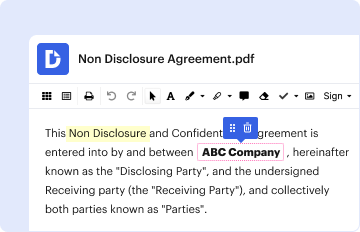
01. Edit your sc injured spouse form online
Type text, add images, blackout confidential details, add comments, highlights and more.

Type text, add images, blackout confidential details, add comments, highlights and more.
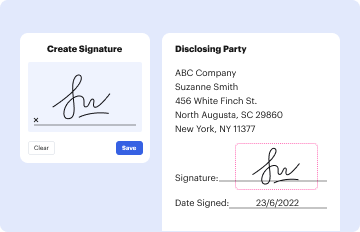
Draw your signature, type it, upload its image, or use your mobile device as a signature pad.
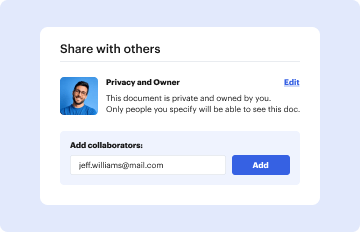
Send sc8857 via email, link, or fax. You can also download it, export it or print it out.
The SC8857 form is specifically designed for taxpayers seeking Innocent Spouse Relief from the South Carolina Department of Revenue. This form provides a structured method for individuals who believe they should not be held accountable for the tax liabilities caused by their partner on a jointly filed tax return. Through this form, the requesting spouse can outline their circumstances and argue their case for relief from shared tax debts due to factors like misleading information provided by their spouse.
Using the SC8857 form involves a systematic approach to ensure all relevant information is accurately presented. Begin by filling in your personal information and details about the tax return in question. You will need to provide a detailed account of the reasons why you are seeking relief. This includes specifying any discrepancies in income reporting, deductions, or credits attributed to the other spouse. The form requires you to clarify your knowledge and involvement concerning the inaccuracies, supporting your claim that you should not be responsible for the resulting penalties and interest.
Gather Required Information: Collect all necessary documents such as past tax returns, financial records, and correspondence with the South Carolina Department of Revenue related to the tax liability.
Download the Form: Obtain the SC8857 form from the South Carolina Department of Revenue's official website, ensuring you have the latest version.
Complete Personal Details: Fill out your name, Social Security number, and contact information at the top of the form. Provide details of your spouse or former spouse.
Detail the Circumstances: Elaborate on the specific circumstances that justify your request for relief. Relate this to the situation on the tax return, explaining any errors that were not your doing.
Attach Supporting Documents: Include copies of relevant forms, evidence of tax withholding, and any documentation that supports your claim of innocence or limited involvement.
Review Submission Requirements: Double-check the submission methods, whether you plan to file the form online, via mail, or deliver it in person.
The SC8857 fulfills a legal function by providing relief under specific conditions outlined by South Carolina law. It is designed to accommodate individuals who can demonstrate that they did not benefit from, nor were aware of, the errors or omissions made by a spouse on a joint tax filing. The form provides a fair avenue to address issues of tax liability that were inadvertently incurred and to ensure that one spouse is not unjustly penalized for the financial dealings of another.
To be eligible for utilizing SC8857, the applicant must meet certain conditions set by the South Carolina Department of Revenue:


Joint Liability: This refers to the legal responsibility both spouses have when filing a joint tax return, meaning they are equally liable for the taxes due.
Innocent Spouse Relief: A form of tax relief that removes responsibility from a spouse for tax errors resulting from the actions or misrepresentations of the other spouse.
Tax Understatement: Discrepancy resulting in less tax being reported or paid than what was actually due.
When filing the SC8857, ensure you have these documents ready:
The Internal Revenue Service (IRS) has established guidelines that support the implementation of innocent spouse relief at a federal level, similar to the SC8857. Though the SC8857 is specific to South Carolina, these IRS guidelines can inform and support your claim. They highlight the importance of equitable financial responsibility and provide a framework within which taxpayers can seek relief. Understanding these federal guidelines can help in effectively presenting your case on the SC8857 form.
It is imperative to respect any filing deadlines associated with the SC8857 to ensure your case is considered valid. Generally, there is a time limit from when you became aware of the underreported tax or when the liability was assessed to file the form. Often, this period is within two years, but checking with the South Carolina Department of Revenue for specific deadlines for your case is recommended. Keeping track of these deadlines is crucial for successfully arguing your case for relief.
We've got more versions of the sc injured spouse form form. Select the right sc injured spouse form version from the list and start editing it straight away!
At DocHub, your data security is our priority. We follow HIPAA, SOC2, GDPR, and other standards, so you can work on your documents with confidence.
Vacuum cleaners Samsung SC9676 Samsung SC9677 Samsung SC8834 Samsung SC8857 Samsung SC9635 Samsung SC8859 Samsung SC885A Samsung SC8873
Should I file this request? File this request if: you are a spouse requesting consideration as an innocent spouse, and: o you received a bill from the
. Item Description. Member of. Samuel M. Janney letter to J. H. Pleasants. Linked Agent. Creator


