





Understanding the Surrender Withdrawal (UK) Form
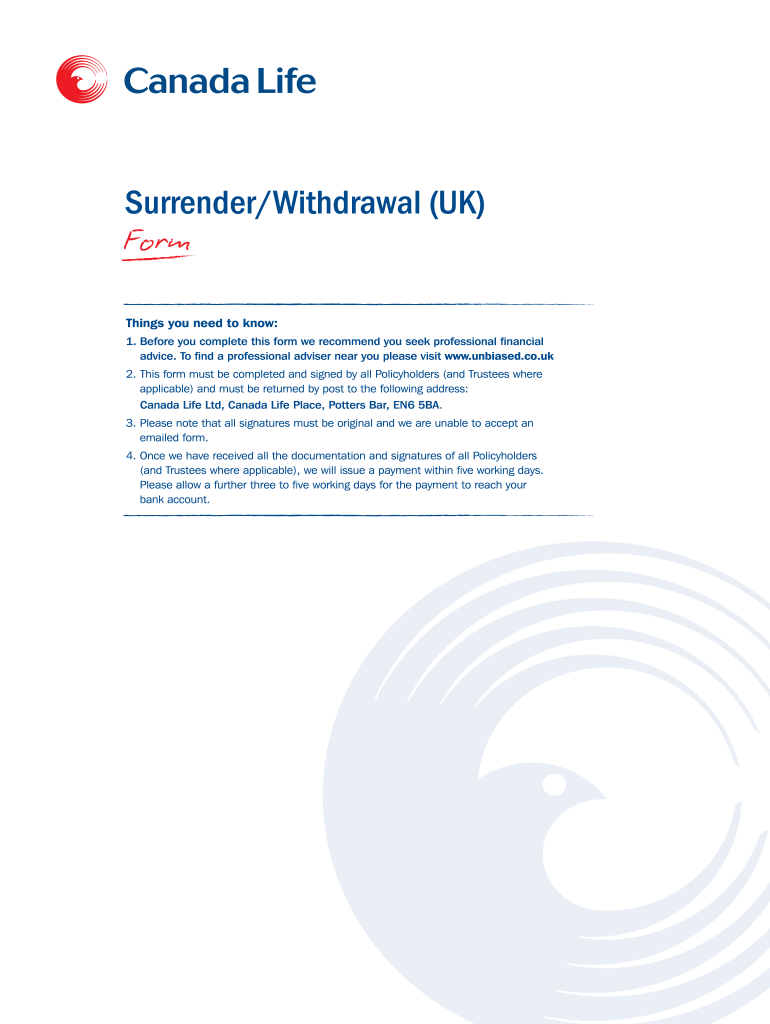
The Surrender Withdrawal (UK) form serves as a critical document for individuals seeking to withdraw or surrender their insurance policies, specifically those managed by Canada Life in the UK. This form is integral to ensuring that the necessary legal and administrative steps are followed to finalize policy withdrawal, safeguard financial interests, and comply with relevant regulations. It captures detailed information about the policyholder and their intentions regarding the policy. This section will delve into the meaning and implications of utilizing this form.
Definition and Meaning
The Surrender Withdrawal (UK) form is fundamentally a request and authorization tool for policyholders who wish to terminate their insurance policies. The form's primary function is to officially record the intent to withdraw, outline the financial disbursement arrangements, and affirm the policyholder's understanding of potential tax liabilities. It is crucial for policyholders to fully comprehend the terms and conditions under which the surrender is made, as it directly affects financial planning and insurance coverage.
Key Elements of the Surrender Withdrawal (UK)
Several essential components must be accurately reflected within the Surrender Withdrawal (UK) form. These components ensure the form's validity and enforceability:
- Policyholder Information: Full name, contact details, and policy number.
- Surrender Instructions: Precise directions on how funds should be distributed, including bank details for direct deposits.
- Declaration of Understanding: Statements confirming the policyholder's comprehension of the financial and tax implications.
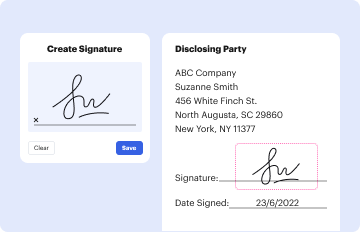
- Signature Requirement: Original signatures only, which authenticate the intent and approval of the withdrawal or surrender request.
Steps to Complete the Surrender Withdrawal (UK)
Filing the Surrender Withdrawal (UK) form requires a meticulous approach to ensure all details are accurately documented and legally compliant. Here is a step-by-step guide:
- Gather Required Information: Collect all necessary personal and policy details, including your insurance policy number and identification documents.
- Consult Financial Advisor: It is strongly advised to consult a financial advisor to understand the financial implications, including potential tax liabilities, associated with surrendering your insurance policy.
- Complete the Form: Ensure every section is filled with precise information. Pay particular attention to the payment processing details and the declaration section.
- Affix Signatures: Sign the document with an original signature where required. If the form necessitates a witness signature, ensure it is obtained.
- Submit the Form: Mail the completed form to the designated address provided by your insurance provider. Retain a copy for personal records.
Required Documents
Submitting the Surrender Withdrawal (UK) form necessitates attaching several supporting documents to validate the request. These include:
- A copy of a valid identification document, such as a passport.
- Original policy documents or a statement of benefits.
- Any additional paperwork detailed in the insurance provider’s guidelines.
Legal Use and Compliance of the Surrender Withdrawal (UK)
The use of the Surrender Withdrawal (UK) form is bound by legal protocols and compliance requirements. It is recognized as a binding document within the context of insurance policy terminations, provided it is completed correctly and signed with original signatures. Compliance with tax regulations pertaining to the withdrawal is also critical, as failure to do so could result in substantial penalties.
Important Terms Related to the Surrender Withdrawal (UK)
Understanding the terminology associated with the Surrender Withdrawal (UK) form is essential:
- Surrender Value: The amount payable to the policyholder upon surrendering the policy.
- Policy Termination Fee: Any fees applicable for terminating the policy prior to maturity.
- Tax Liability: The potential income tax implications resulting from the policy withdrawal.
Examples of Using the Surrender Withdrawal (UK)
Practical scenarios where the Surrender Withdrawal (UK) form is typically used include:
- A policyholder choosing to liquidate their policy to access accumulated cash value.
- Individuals managing financial responsibilities such as repaying debts, necessitating access to immediate funds.
- Situations where insurance needs have decreased, and maintaining the policy is no longer warranted.
Who Typically Uses the Surrender Withdrawal (UK)
Individuals who typically engage the Surrender Withdrawal process are often in transitions such as retirement planning, reducing insurance coverage for minimized financial risk, or reallocating assets for expected financial returns in other areas. Businesses may also use this form to manage organizational cash flow by surrendering corporate-owned policies.


Who Issues the Surrender Withdrawal (UK) Form
The form is issued by the insurance provider, in this case, Canada Life, which outlines the necessary procedures for policy termination. It is crucial to obtain the most current version to ensure compliance with any recent updates or changes in policy terms.
Form Submission Methods
The Surrender Withdrawal (UK) form can be submitted via traditional mail, as most insurance providers require the original signed document. Digital submissions may not be accepted due to the necessity of original signatures for legal verification.
Conclusion: Legal Context and Practical Application
Successfully completing the Surrender Withdrawal (UK) form requires thorough preparation and understanding of both the procedural and legal requisites. By adhering to the detailed steps and ensuring all information is accurate, policyholders can efficiently manage their insurance withdrawals, thereby aligning their financial strategies with personal or business objectives. This form serves not only as a financial tool but also as a legally binding agreement under insurance law, emphasizing the importance of precision, compliance, and informed decision-making.


