




01. Edit your form online
Type text, add images, blackout confidential details, add comments, highlights and more.

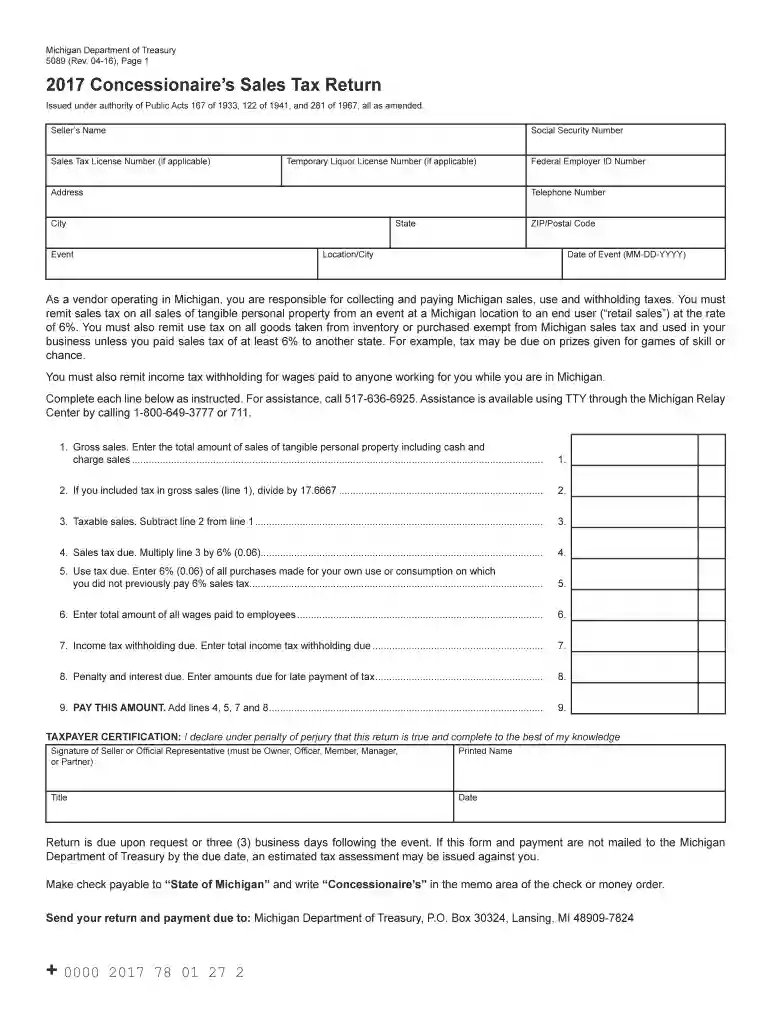
Type text, add images, blackout confidential details, add comments, highlights and more.

Draw your signature, type it, upload its image, or use your mobile device as a signature pad.

Send it via email, link, or fax. You can also download it, export it or print it out.
Section 205 30 - Michigan Legislature - State of Michigan relates to a specific legislative provision within Michigan's legal framework. Although the precise text of the section is not provided here, such statutory sections typically cover a range of legal and regulatory obligations applicable to individuals or entities operating within the state. The interpretation of this section is critical for understanding responsibilities related to tax obligations, compliance measures, or other legal duties that are mandated by the state legislation.
Using Section 205 30 effectively involves understanding its implications and applying them to relevant scenarios, such as tax filings or legal compliance. Here are foundational steps in utilizing this section:
Complying with the requirements of Section 205 30 involves several critical steps:
Understanding key terms within this section can clarify its application and ensure accurate compliance:
Legally, Section 205 30 may be used to establish clear rules around taxation, licenses, or operational regulations:
Section 205 30 may include regulations unique to Michigan, critical for taxpayers and businesses operating within the state:
Meeting filing deadlines related to Section 205 30 ensures compliance and avoids penalties. Typical filing periods and deadlines include:
Failure to comply with Section 205 30 can result in penalties, including:
Familiarity with Section 205 30 is essential for individuals and businesses operating in Michigan to ensure proper tax compliance and avoid the ramifications of overlooking state-specific regulations. Understanding the application, deadlines, and key terms within this section equips users to manage their legal and tax responsibilities effectively, leveraging professional insights when necessary to navigate complexities and fulfill obligations smoothly.
We've got more versions of the Section 205 30 - Michigan Legislature - State of Michigan form. Select the right Section 205 30 - Michigan Legislature - State of Michigan version from the list and start editing it straight away!
| Versions | Form popularity | Fillable & printable |
|---|---|---|
| 2025 | 4.9 Satisfied (51 Votes) | |
| 2024 | 4.7 Satisfied (50 Votes) | |
| 2023 | 4.2 Satisfied (51 Votes) | |
| 2022 | 4.8 Satisfied (78 Votes) | |
| 2021 | 4.4 Satisfied (120 Votes) | |
| 2020 | 4.3 Satisfied (130 Votes) | |
| 2019 | 4.3 Satisfied (65 Votes) | |
| 2018 | 4.3 Satisfied (52 Votes) | |
| 2017 | 4.3 Satisfied (55 Votes) | |
| 2009 | 4.4 Satisfied (520 Votes) |
At DocHub, your data security is our priority. We follow HIPAA, SOC2, GDPR, and other standards, so you can work on your documents with confidence.
This section describes the theoretical and practical issues related to field application and design processes of in situ oxidation technologies.
This site is intended to provide accurate and timely legislative information to the citizens of the State of Michigan and other interested parties. AdditionalRead more
Home; Legislature. Legislative Document Search Bills Resolutions Joint Resolutions Concurrent Resolutions Calendars Committees Committee BillRead more


