



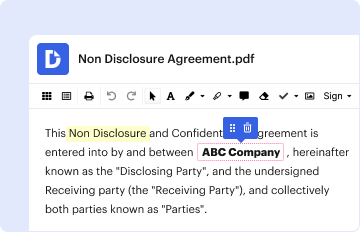
01. Edit your form online
Type text, add images, blackout confidential details, add comments, highlights and more.

Type text, add images, blackout confidential details, add comments, highlights and more.
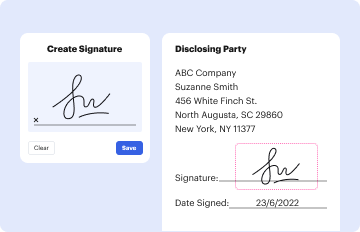
Draw your signature, type it, upload its image, or use your mobile device as a signature pad.

Send it via email, link, or fax. You can also download it, export it or print it out.
The Kentucky Employee's Withholding Exemption Certificate, or Form K-4, is a state tax form used to determine the appropriate amount of Kentucky state income tax withholding from an employee's paycheck. This form is critical for both employers and employees in ensuring compliance with tax regulations. By accurately completing this document, employees help their employers withhold the correct amount of tax, thereby reducing the chance of owing money during the tax filing season or receiving an unexpected large refund.
The legal implications of Form K-4 are significant for both compliance and accurate tax withholding. Filling this form ensures that state taxes are deducted appropriately, and employees align their withholding with personal financial circumstances. It's important to update the form with any life changes, such as marriage or a change in dependents, to prevent legal issues tied to inaccurate filings.
Kentucky state-specific regulations govern Form K-4's use. Residents are required to complete this form to inform their employers of the appropriate state tax exemptions and adjustments for withholding purposes. Compliance with state regulations is necessary to avoid penalties or discrepancies concerning state income tax returns. Factors like changes in state tax rates or allowances might necessitate a revision of this form.
Non-compliance with Form K-4 requirements can result in financial penalties. If an employee provides false information or neglects to update the form after major life changes, they might face underpayment of state taxes, leading to interest charges on owed taxes. Employers are also required to adhere to form submission and withholding mandates, and failure on their part can incur penalties.
While there are no strict annual deadlines for K-4 submissions like tax returns, employees should complete the form upon starting a new job or experiencing a significant life change—such as marriage or childbirth—that affects tax obligations. Regular updates ensure that tax withholding aligns with current financial situations.
Consider a married employee with two dependents who moves to Kentucky. The employee should complete a Form K-4, indicating marital status and dependency exemptions, to ensure that the employer withholds the correct state income tax. Similarly, a single employee who desires additional withholding can specify this on the form, aiding in financial planning and preventing a year-end tax liability.
Form K-4 is primarily used by individuals employed in Kentucky. It's critical for new hires or anyone experiencing significant life changes, such as changes in marital status or number of dependents. Additionally, if an employee decides to adjust their withholding amounts during the tax year, they will need to complete a new K-4 form to reflect these changes. Both the employer and the employee benefit from this accurate and updated declaration of withholding preferences.


We've got more versions of the revenue form k 4 2013 form. Select the right revenue form k 4 2013 version from the list and start editing it straight away!
| Versions | Form popularity | Fillable & printable |
|---|---|---|
| 2025 | 4.8 Satisfied (23 Votes) | |
| 2024 | 4.6 Satisfied (57 Votes) | |
| 2022 | 4.5 Satisfied (59 Votes) | |
| 2021 | 4.9 Satisfied (44 Votes) | |
| 2020 | 4.3 Satisfied (184 Votes) | |
| 2019 | 4.4 Satisfied (73 Votes) | |
| 2013 | 4.2 Satisfied (68 Votes) | |
| 2010 | 4.1 Satisfied (31 Votes) | |
| 2005 | 4.3 Satisfied (54 Votes) | |
| 1999 | 4.8 Satisfied (48 Votes) |
At DocHub, your data security is our priority. We follow HIPAA, SOC2, GDPR, and other standards, so you can work on your documents with confidence.
Displaying 1 - 15 of 690 results. Corporation Income Tax. Fiduciary Tax. Franchise Income Tax. Individual Income Tax. Property Tax.Read more
Form Free Electronic Filing Free Tax Return Preparation. Administrative Forms Aircraft. Tax Tax Year (Select) The Kentucky Department of Revenue conducts


