




01. Edit your form online
Type text, add images, blackout confidential details, add comments, highlights and more.

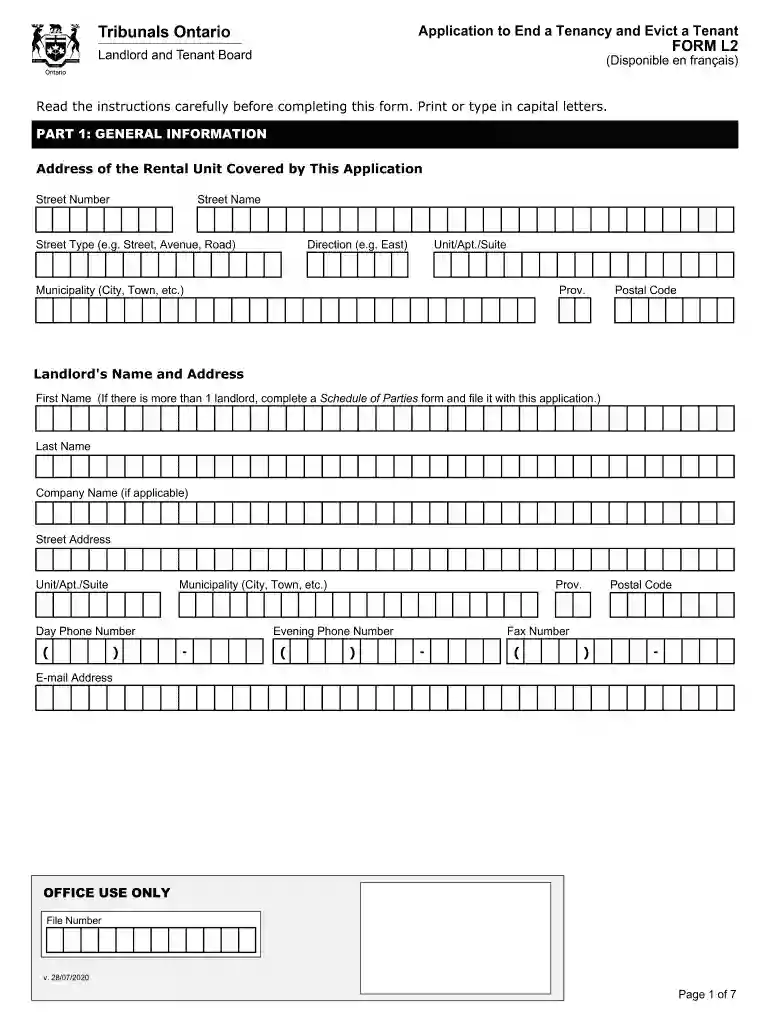
Type text, add images, blackout confidential details, add comments, highlights and more.

Draw your signature, type it, upload its image, or use your mobile device as a signature pad.

Send it via email, link, or fax. You can also download it, export it or print it out.
The Policy on Preventing Discrimination Based on Mental Health ns is a formal document designed to establish guidelines and rules prohibiting discriminatory practices based on mental health conditions. Its objective is to ensure fair treatment and equal opportunity for those with mental health concerns, preventing biases or unfair practices that may arise in various environments such as workplaces or educational institutions.
Several aspects are covered within this policy, including definitions related to mental health conditions, examples of discriminatory actions, and other relevant terms. By clearly outlining these definitions, the policy helps individuals and organizations comprehend what constitutes discrimination, facilitating a better understanding of adherence to non-discrimination laws.
Using the policy involves several strategic steps to incorporate its guidelines into daily practices. Organizations should first familiarize themselves with the policy's content, which involves understanding the detailed definitions and examples. This understanding is crucial for constructing training programs for staff and ensuring compliance with anti-discrimination laws.
Employers can refer to this policy when developing or revising their internal procedures and policies, ensuring that all employees with mental health conditions are afforded the same rights and opportunities as their colleagues. Implementation may involve revising job descriptions, hiring practices, and employee evaluation systems to align with the policy’s guidelines.
Acquire the Policy: Obtain a copy of the policy document, either by downloading it from an official source or receiving it from an employer.
Review the Content: Carefully read through the policy to understand its requirements, definitions, and examples.
Implement Training Programs: Develop comprehensive training sessions for staff to ensure understanding and compliance with the policy.
Update Internal Policies: Adjust current workplace policies and practices to align with the guidelines set out in the policy.
Monitor and Review: Regularly monitor practices and policies for compliance and make necessary updates based on feedback or regulations.
The policy encompasses several critical elements designed to protect those with mental health conditions. Key sections often include:
The policy serves as a legal document that organizations and individuals can use to ensure compliance with anti-discrimination laws. It provides a framework for addressing grievances and serves as evidence of an organization’s commitment to protecting the rights of individuals with mental health conditions.
By adhering to the policy, organizations safeguard themselves against potential lawsuits related to discrimination claims. Legal use also includes presenting the policy during audits or investigations by regulatory bodies as proof of compliance with federal and state discrimination laws.
This policy is utilized by a diverse range of entities, including:


Different states may have specific regulations or additional guidelines that complement the federal aspects of this policy. It is vital for organizations to be mindful of:
Understanding state-specific nuances is essential for ensuring full compliance and maximizing protections provided to individuals with mental health conditions.
Real-world scenarios illustrate how this policy is effectively used:
By providing these practical examples, organizations can better gauge how to implement the policy effectively and identify areas for improvement.
To properly implement this policy, organizations need to prepare several types of documentation, such as:
Ensuring these documents are in place supports the comprehensive enactment of the policy and facilitates ongoing compliance.
We've got more versions of the Policy on Preventing Discrimination Based on Mental Health ns form. Select the right Policy on Preventing Discrimination Based on Mental Health ns version from the list and start editing it straight away!
At DocHub, your data security is our priority. We follow HIPAA, SOC2, GDPR, and other standards, so you can work on your documents with confidence.
by S SAXENA 2006 Cited by 329 Prevention policies need to be based on systematic assessments of public mental health needs. To enlarge the impact of preventive interventions on theRead more
by E Wolnick Cited by 18 Title II of the ADA is the second statutory provision protecting disabled students from discrimination at colleges and universities. 96 It serves to prohibit


