




01. Edit your form online
Type text, add images, blackout confidential details, add comments, highlights and more.

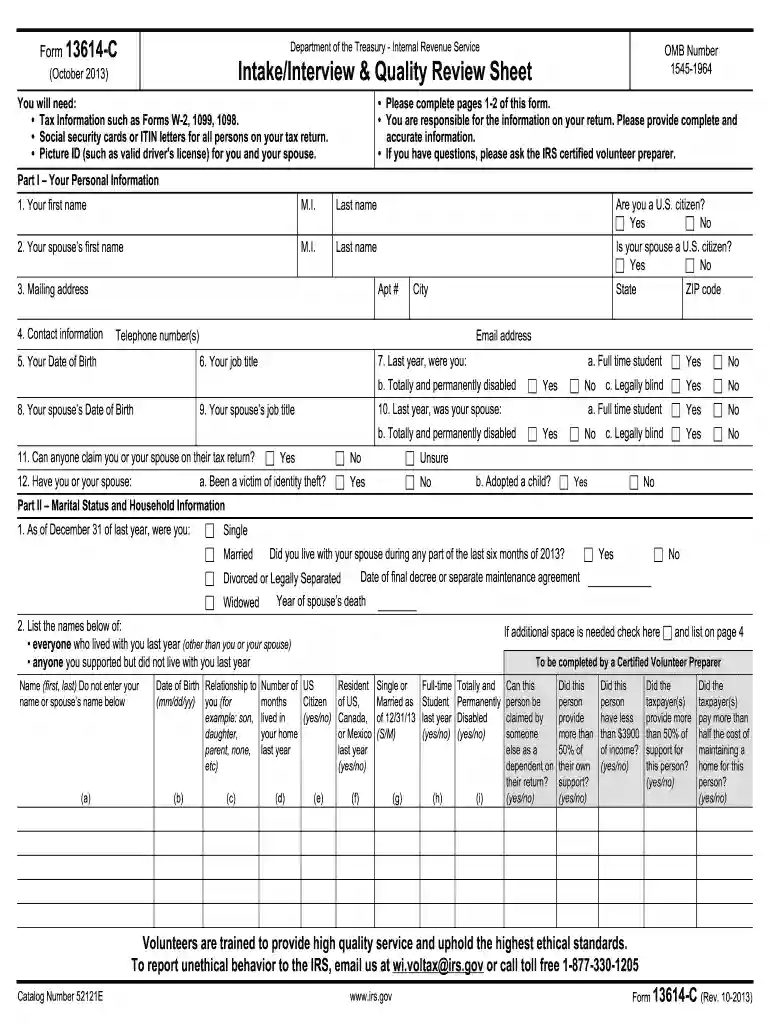
Type text, add images, blackout confidential details, add comments, highlights and more.

Draw your signature, type it, upload its image, or use your mobile device as a signature pad.

Send it via email, link, or fax. You can also download it, export it or print it out.
The "second selection 2013 form" is typically a part of a comprehensive document selection process used by various institutions or organizations to gather additional information from applicants or contributors after an initial round of evaluations. This form is commonly employed in competitive settings, such as grant applications, job recruitments, or academic admissions, where the first round of selection has narrowed down a wide pool of candidates. The second selection form usually requests more detailed personal or professional data, precise documentation, or specific qualifications that are deemed necessary for finalizing the selection process.
The primary use of the second selection 2013 form is to streamline and finalize the decision-making process by obtaining more nuanced information. This specific form aids institutions in extracting the most pertinent details that are not always captured in a preliminary application or submission. Its purpose is to ensure that the most qualified or suitable candidates are selected, which can include confirming eligibility, evaluating additional qualifications, and verifying the authenticity of the initially provided data. For example, an academic institution might require this form to obtain detailed academic records or letters of recommendation after shortlisting candidates from an initial applicant pool.
Gather Required Documents: Before filling out the form, ensure that all prerequisite documents and references are at hand. This could include transcripts, recommendation letters, identifications, certifications, or any other documentation specified in the form instructions.
Read Instructions Carefully: Each section of the form may have specific instructions. It is crucial to read and understand these guidelines to provide accurate and complete responses. Any section marked as mandatory must be filled out to avoid disqualification.
Complete Personal Information: Begin with filling in personal details such as name, contact information, and identification numbers. Ensure that this information matches previously submitted documentation to maintain consistency.
Provide Detailed Responses: For sections that require elaborated answers, provide concise yet comprehensive responses that directly address the questions being asked. This may include explaining experiences, listing relevant skills, or describing particular projects in detail.
Attach Supporting Documents: If the form requires submission of additional documents, ensure they are attached where indicated. These attachments should be clearly labeled and referenced within the form.
Review and Verify Entries: Once the form is filled, carefully review every section to ensure that there are no errors or missing components. Double-check consistency with prior submissions and verify that all attachments are in place.
Submission: Depending on the instructions, submit the form either online, via mail, or in person. Confirm that the submission mode adheres to the guidelines provided for this specific form.
Obtaining the second selection 2013 form typically involves reaching out to the organization or institution requiring it. The form might be accessible through an official website, directly sent via email to eligible candidates, or distributed physically at an office or designated location. Instructions on accessing the form usually accompany initial selection notifications or can be found in organizational communications. Always ensure the source of the form is legitimate and matches the entity overseeing the selection process.
Eligibility for completing the second selection 2013 form is generally confined to candidates who have successfully passed an initial selection round. Criteria for eligibility are often detailed in the notifications received post-first selection and can include academic benchmarks, work experience levels, residency status, or other specific criteria relevant to the selection process. Applicants must carefully check these eligibility requirements before proceeding with form submission to ensure compliance.


The form must be used in accordance with all relevant legal guidelines, maintaining transparency and fairness in the selection process. Information contained within the form is safeguarded under privacy laws, ensuring that personal data is used solely for evaluation purposes and not for unauthorized sharing or distribution. It is crucial for institutions employing this form to adhere to legal standards, such as the Equal Employment Opportunity Act, to prevent discrimination and ensure equitable treatment of all candidates.
Non-compliance with the specified requirements of the second selection 2013 form can result in various penalties such as disqualification from the selection process, withdrawal of eligibility, and potential legal consequences if false information is provided. It is essential for applicants to thoroughly understand and adhere to all guidelines and requests specified in the form to prevent these outcomes.
We've got more versions of the second selection 2013 form form. Select the right second selection 2013 form version from the list and start editing it straight away!
| Versions | Form popularity | Fillable & printable |
|---|---|---|
| 2025 | 4.2 Satisfied (31 Votes) | |
| 2024 | 4.1 Satisfied (56 Votes) | |
| 2023 | 4.7 Satisfied (57 Votes) | |
| 2022 | 4.6 Satisfied (38 Votes) | |
| 2021 | 4.9 Satisfied (53 Votes) | |
| 2020 | 4.2 Satisfied (90 Votes) | |
| 2019 | 4.4 Satisfied (230 Votes) | |
| 2018 | 4.3 Satisfied (106 Votes) | |
| 2017 | 4.4 Satisfied (145 Votes) | |
| 2016 | 4.3 Satisfied (55 Votes) | |
| 2015 | 4.4 Satisfied (54 Votes) | |
| 2014 | 4 Satisfied (45 Votes) | |
| 2013 | 3.9 Satisfied (34 Votes) | |
| 2011 | 4.4 Satisfied (70 Votes) |
At DocHub, your data security is our priority. We follow HIPAA, SOC2, GDPR, and other standards, so you can work on your documents with confidence.
by JR Wheatley 2013 Cited by 206 Each male participants success in male contests was measured as the mean rating of fighting ability that he received from the male participants who rated him (Read more
by N Kurd 2016 Cited by 221 Summary. The ability of T cells to respond to a wide array of foreign antigens while avoiding reactivity to self is largely determined by cellular selectionRead more


