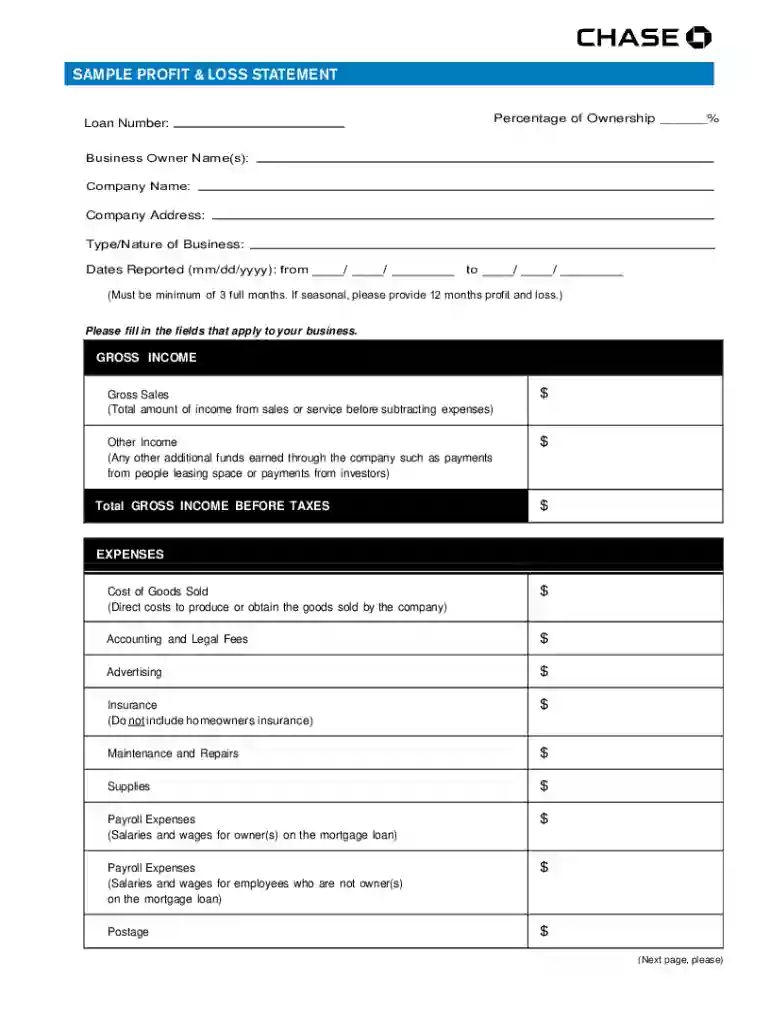
Definition & Meaning
A Profit and Loss (P&L) Statement is a financial document used by businesses to summarize their revenues, costs, and expenses incurred over a specific period, typically a fiscal quarter or year. This statement provides a comprehensive overview of a company's ability to generate profit by increasing revenue, reducing costs, or both. It includes key components such as gross income, operational expenses, and net income, collectively offering insights into the financial health and operational efficiency of a business.
Key Elements of a Profit and Loss Statement
- Gross Income: The total revenue generated from goods sold or services provided before any expenses are deducted.
- Cost of Goods Sold (COGS): The direct costs attributable to the production of goods sold by a business. This typically includes material and labor costs.
- Operating Expenses: These are the costs required to run the business, including rent, utilities, salaries, marketing, and insurance.
- Net Income: The total profit or loss after all expenses, taxes, and costs have been subtracted from total revenue.
- Owner's Equity: Reflects the net value owners have in the business after liabilities are subtracted from assets.
How to Create a Profit and Loss Statement
- Gather Financial Data: Collect all financial records including revenue invoices, expense receipts, and bank statements.
- List Revenues: Start with a comprehensive list of all income sources, noting the total sales for the period.
- Calculate Cost of Goods Sold (COGS): Sum up the direct costs associated with the production of goods or services sold.
- Determine Operational Expenses: Note all costs involved in running the business operations such as salaries, utilities, and rent.
- Calculate Net Profit: Subtract COGS and operational expenses from total revenue to find the net profit or loss.
- Review and Adjust: Check for accuracy and make any necessary adjustments for errors or omissions.
Who Typically Uses a Profit and Loss Statement
- Business Owners and Managers: To assess financial performance and make informed decisions on operations and strategies.
- Investors and Shareholders: To evaluate the profitability and financial health of a business before making investment decisions.
- Bankers and Creditors: To determine creditworthiness when a business seeks loans or credit lines.
- Accountants and Financial Analysts: To prepare financial reports and provide strategic recommendations.
Steps to Complete the Profit and Loss Statement
- Prepare Revenue Details: Include all sales, noting any distinctions between different revenue streams.
- Document Direct Costs: Note costs directly tied to the revenue, underlining factors like material, labor, and overhead.
- Record Expenses: List out all indirect expenses critical for maintaining daily operations.
- Calculate Gross and Net Profit: Compute gross profit by subtracting COGS from total revenue, then find net profit by deducting total expenses from gross profit.
- Include Owner Certifications: Make provision for owner signatures to verify the accuracy and authenticity of the data provided.
Why Use a Profit and Loss Statement
- Financial Health Assessment: Understand whether a business is profitable or operating at a loss.
- Strategic Planning: Make data-driven decisions to improve operations and growth strategies.
- Budgeting and Forecasting: Establish realistic budget plans and predict future financial outcomes.
- Compliance and Reporting: Comply with tax regulations and provide auditors with detailed financial reports.
Examples of Using a Profit and Loss Statement
- Quarterly Reporting: A company identifies a need to cut down on operational costs after reviewing a quarterly P&L showing increasing expenses.
- Investment Proposals: A startup highlights a consistent increase in net profit through its annual P&L when pitching to potential investors.
- Cost Control: A retail business identifies inefficiencies in their supply chain by analyzing COGS in their monthly P&L and implements cost-saving measures.
Business Types that Benefit Most from a Profit and Loss Statement
- Retail Firms: Need to track sales trends and adjust inventory and pricing strategies accordingly.
- Service Providers: Use P&L to evaluate billing efficiency and manage personnel costs.
- Manufacturing Companies: Essential for tracking production costs and optimizing manufacturing processes.
- Small Business Owners: Provides critical insights into cash flow, helping with financial sustainability and growth.
Software Compatibility for Creating P&L Statements
- QuickBooks: Widely used for generating automatic P&L statements from bookkeeping data.
- TurboTax: Useful for integrating financial data into tax filings, especially concerning self-employed individuals.
- Microsoft Excel: A flexible tool for custom P&L layouts and detailed financial analysis.
- Dedicated Financial Software: AIMed at specific industries to provide tailored P&L reporting features and analysis tools.