







Understanding the Patient Referral Form Template PDF
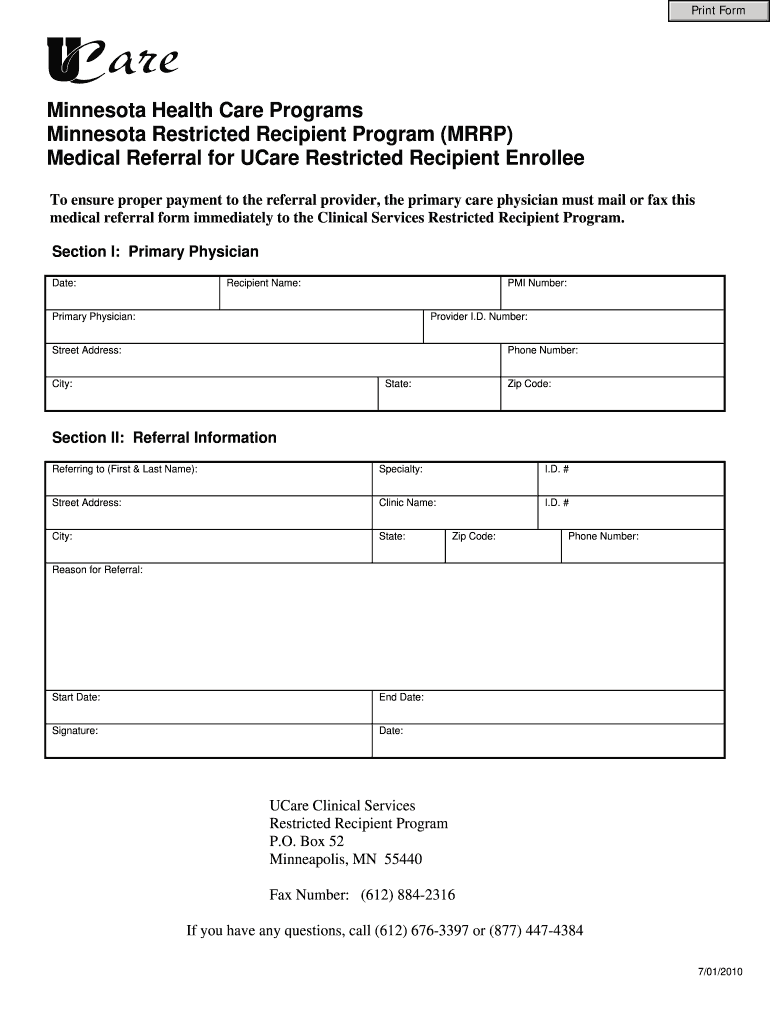
The patient referral form template serves as a crucial document in healthcare, facilitating the process of referring patients from one healthcare provider to another. This document not only ensures that patient information is accurately transmitted but also promotes efficient continuity of care. The use of a PDF format enhances accessibility and compatibility, allowing for easy sharing and printing.
Key Components of a Patient Referral Form
A typical patient referral form includes several essential sections:
-
Patient Information: This section captures crucial details about the patient, including name, date of birth, contact information, and insurance details. Accurately filling out this information ensures that the receiving healthcare provider has a comprehensive understanding of the patient.
-
Referring Physician Information: This area contains the contact details of the physician who is making the referral. Including the physician’s name, practice name, phone number, and email address is essential for follow-up communications.
-
Reason for Referral: Citing a clear reason for the referral aids in prioritizing patient care. This section may include symptoms, medical history, and any relevant test results that could assist the specialist in diagnosis and treatment.
-
Patient’s Medical History: This section typically requires a brief overview of the patient's medical background, including previous surgeries, notable health conditions, and current medications. Providing comprehensive medical history informs specialists and prevents potential misunderstandings during treatment.
Steps to Complete a Patient Referral Form
Filling out a patient referral form correctly is vital for the effective transfer of patient care. The following steps outline the process:
-
Gather Patient Information: Collect all necessary data related to the patient. Ensure the details are up-to-date and accurate to prevent any delays in care.
-
Detail Referring Physician Information: Enter the details of the referring physician, making sure to include communication channels for effective follow-ups.
-
Describe the Reason for Referral: Clearly articulate the issue that necessitates the referral. Use observable data and concise language to facilitate understanding.
-
Include Medical History: Summarize relevant medical history and existing conditions comprehensively but concisely. Attach additional documents if necessary.
-
Review and Sign: Before submitting, review the form for accuracy. The referring physician should sign and date the form to verify the information provided.
By following these steps, healthcare providers can ensure that referrals are conducted smoothly and accurately, enhancing patient experiences.
Uses and Importance of the Patient Referral Form
Patient referral forms are not only functional but also essential for several reasons:
-
Continuity of Care: They provide a systematic way to ensure that medical history follows the patient to the next provider, which is crucial for informed treatment.
-
Interdisciplinary Communication: The forms serve as a bridge between primary care, specialists, and other healthcare providers, fostering a team approach to patient health that is especially important in complex cases.
-
Legal Protection: Well-documented referrals can protect both the referring and receiving physicians legally, as they provide evidence of communication and intent regarding patient care.
Variations of the Patient Referral Form Template
Different healthcare settings may require variations of the patient referral form template. Some examples include:
-
Hospital Referral Forms: These may have sections specific to the hospital's policies and protocols.
-
Insurance-Specific Referral Forms: Some insurance companies might have their custom forms or additional requirements for patient referrals.
-
Specialist-Specific Forms: Certain specialists may need more detailed information relevant to their practice, such as prior imaging results or specific treatment history.
Understanding and utilizing the appropriate variation of the patient referral form can significantly enhance the efficiency and effectiveness of patient transitions.
Digital Integration of the Patient Referral Form
The advent of technology has introduced several advantages for managing patient referral forms:
-
Fillable PDFs: Many healthcare providers utilize fillable PDF templates, allowing for easier completion and submission.
-
Electronic Health Records (EHR): Integration with EHR systems can streamline the referral process, enabling a more automated transfer of information between providers.
-
Telehealth Applications: With the rise of telehealth, referral forms can also include provisions for virtual consultations, making healthcare more accessible for patients and providers.
Digitally managed referral forms ensure rapid processing times, reducing delays in patient care and improving overall healthcare delivery.
In summary, the patient referral form template is not merely a document, but a fundamental tool in the healthcare system that aids in maintaining comprehensive patient care continuity, ensuring that the right information reaches the appropriate providers in a timely manner.




