




Definition and Meaning of a Blank Signature Page
A blank signature page is a document layout designed to facilitate the collection of signatures for various legal, financial, or business procedures. It functions as a dedicated space where signatories can affix their signatures, ensuring their approval or acknowledgment of the document's contents. Typically used in contracts, agreements, and acknowledgments, a blank signature page streamlines the signing process by providing predefined fields for each signatory. This structure helps to eliminate confusion about where signatures should be placed, maintaining a consistent format that is easy to read and understand.
Key Elements of a Blank Signature Page
A well-constructed blank signature page contains several critical components that ensure its effectiveness:
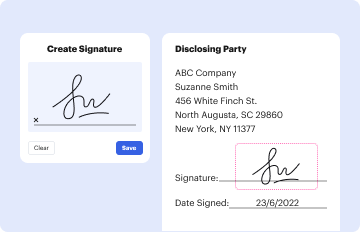
- Signature Fields: Designated spaces where individuals can sign their names.
- Typed Names: Printed names next to signature fields to clarify who needs to sign.
- Date Lines: Areas where signatories can note the date of signing, essential for legal and historical records.
- Title or Role: Lines to specify the signatory's position or relationship to the document, providing context and accountability.
- Additional Instructions: Any specific guidelines or notes necessary for completing the signature process, such as notarization requirements.
These components are crucial for creating clarity and ensuring the document is executed correctly.
Steps to Complete the Blank Signature Page
Filling out a blank signature page involves several straightforward steps:
- Review the Document: Ensure you understand the entire content and implications of the document before signing.
- Locate Signature Fields: Find your designated signature space to avoid signing on the wrong line.
- Complete Required Information: Fill in details such as name, date, and title, where applicable.
- Sign the Document: Use ink to sign the document if it is in paper form or a stylus/pen tool for digital formats.
- Verify Completion: Double-check all information provided is accurate and complete before submitting or sending the document back.
This step-by-step process ensures the correct completion of the document, reducing the chance for errors.
Legal Use of the Blank Signature Page
A blank signature page is commonly used in a variety of legal contexts. Its primary role is to capture the legal consent of involved parties, making the document enforceable. Common scenarios include:
- Contracts and Agreements: Ensures all parties have agreed to terms and conditions.
- Acknowledgments: Used when parties need to acknowledge receipt or understanding.
- Authorizations: Necessary for granting permission or authority to proceed with actions.
The legal validity of a signature page is contingent on it being completed and signed in accordance with the applicable laws, such as the ESIGN Act for electronic signatures.
How to Obtain a Blank Signature Page
Accessing a blank signature page is often straightforward with several common sources:
- Legal and Business Document Templates: Available from legal service providers or document platforms.
- Professional Services: Lawyers or notaries may prepare specific signature pages as part of larger documents.
- Digital Platforms: Websites like DocHub offer customizable digital templates that can be adapted for your needs.
Choosing the right source depends on the complexity of the document and whether you need a digital or physical format.
Digital vs. Paper Version of a Signature Page
The blank signature page can exist in various formats, each with distinct advantages:
- Digital Version: Offers convenience through easy distribution, electronic signing options, and secure storage.
- Paper Version: Preferred for documents requiring physical notarization or hard-copy submission.
The choice between digital and paper often depends on legal requirements, recipient preferences, and convenience factors.
Software Compatibility for Digital Signature Pages
When using digital signature pages, compatibility with various software tools ensures a seamless signing process:
- Document Editors: Programs like Adobe Acrobat or DocHub for viewing and editing PDFs.
- Cloud Storage: Platforms like Google Drive or Dropbox for storing and sharing documents.
- E-signature Tools: Services such as DocuSign or HelloSign facilitate secure electronic signatures.
Ensuring compatibility with these tools can streamline your workflow, especially in larger organizations where efficiency is crucial.
Who Typically Uses a Blank Signature Page
The blank signature page is relevant across numerous user groups and sectors:
- Businesses: For contracts, employee agreements, and partnerships.
- Legal Professionals: In drafting and finalizing legal documents requiring signatures.
- Governmental Agencies: For official forms and citizen acknowledgments.
Understanding who uses these pages helps in tailoring the signature process to meet diverse needs and requirements.


