



Definition and Meaning
In the context of Maryland, a trademark or service mark is a legally recognized sign, symbol, word, or combination that distinguishes the goods or services of one party from those of others. The "Trademark or Service Mark Registration or Renewal Form" in Maryland is a legal document allowing individuals or businesses to register their marks with the state, ensuring legal protection and exclusive rights to usage within state borders. This form helps protect businesses against infringement, offering a legal framework to address unauthorized use by others. Understanding the nuances of trademarks and service marks is crucial, as trademarks typically apply to goods, whereas service marks refer to services.
How to Obtain the Form
Acquiring the "Trademark or Service Mark Registration or Renewal Form" in Maryland involves a straightforward process. You can download a digital version from the Maryland Secretary of State's official website or obtain a physical copy by visiting the state's business services office. For those who prefer online interaction, downloading the form provides the convenience of instant access, while physical copies might be preferable for individuals who prefer handling paper-based transactions. Regardless of the method, ensure that you have the correct version, as timely updates can lead to modifications in requirements or fees.
Steps to Complete the Form
Completing the Trademark or Service Mark Registration or Renewal Form involves several detailed steps:
-
Identification of the Applicant:
- Provide personal or business information, including legal name and contact details.
-
Mark Description:
- Detail the design or wording of the mark. Attach a specimen if possible.
-
Goods and Services:
- Define the specific goods or services the mark represents.
-
First Use Dates:
- Indicate the first use of the mark in commerce.
-
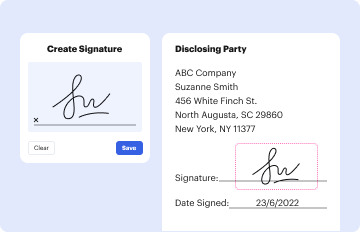
Declaration and Signature:
- Finish by declaring the truthfulness of the information and signing the form.
Every section requires careful attention to ensure that marks are accurately represented, reducing the risk of rejection or legal issues.
Required Documents
Documentation is key in supporting your application. Typical requirements include:
- A specimen showing the mark as used in commerce.
- A detailed description of the goods or services.
- A drawing of the mark, if applicable.
Failure to provide complete documents can delay processing or lead to application denial.
Application Process and Approval Time
Application submissions for trademark or service mark registration in Maryland involve multiple phases:
-
Submission:
- Send the completed form along with required documents and fees.
-
Review:
- The Maryland Secretary of State evaluates the submission for completeness.
-
Approval:
- Once approved, registration is formalized.
Approval times can vary; typically, it takes several weeks to months. Processing time depends on the accuracy and completeness of submitted information.
Legal Use of the Form
Legal use of this form is grounded in state law. By registering a trademark or service mark, owners gain exclusive rights to use the mark in commerce within Maryland. This legal protection helps prevent unauthorized use by others and allows legal recourse should infringement occur. It's crucial to renew the registration as expiration can lead to loss of rights.
State-Specific Rules
Maryland has unique requirements that differ from federal trademark registration. While federal registration offers broader protection, state registration allows enforcement within state boundaries. Maryland requires specific documentation and fee structures that reflect local guidelines. Understanding these nuances is essential for compliance and effective mark protection.
Penalties for Non-Compliance
Failure to comply with Maryland's trademark or service mark registration requirements can result in:
- Loss of registration rights, which compromises legal protections against infringement.
- Potential legal disputes over mark ownership if challenged in court.
Compliance ensures rights are upheld, providing legal leverage against unauthorized use by other entities.