Seller's Estimated Net Sheet doc 2026

Get Form
Seller's Estimated Net Sheet doc Preview on Page 1

Here's how it works

01. Edit your form online
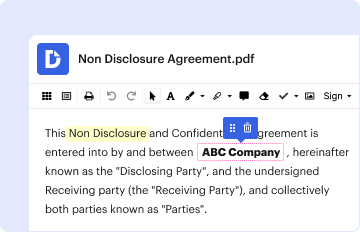
Type text, add images, blackout confidential details, add comments, highlights and more.

02. Sign it in a few clicks
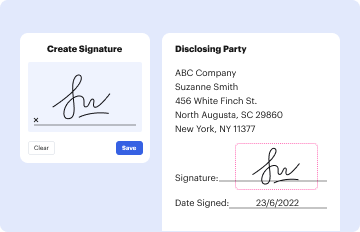
Draw your signature, type it, upload its image, or use your mobile device as a signature pad.

03. Share your form with others
Send it via email, link, or fax. You can also download it, export it or print it out.

Definition & Meaning

A Seller's Estimated Net Sheet doc is a comprehensive document used in real estate transactions to project the financial outcome for property sellers. This sheet breaks down potential expenses and proceeds associated with selling a property, offering sellers a clear view of their expected net gain or loss. It includes items like estimated selling price, real estate taxes, transfer fees, title costs, attorney fees, and commissions. By understanding these estimated figures, sellers can better assess the financial implications of selling their property.

How to Use the Seller's Estimated Net Sheet Doc

To effectively use the Seller's Estimated Net Sheet doc, sellers should first gather all relevant information, including property details and financial obligations related to the sale. This data helps populate the document accurately. It’s advisable to work closely with a real estate agent or an attorney who can provide guidance on current market conditions and typical costs. Sellers should:

  1. Input Property Information: Include the estimated selling price and any existing mortgage balance.
  2. Detail Expenses: List all anticipated costs such as agent commissions, closing costs, and legal fees.
  3. Calculate Net Proceeds: Subtract total estimated expenses from the estimated selling price to determine net proceeds.

Using this document allows sellers to make informed decisions and negotiate more effectively, knowing the potential financial outcome.

Steps to Complete the Seller's Estimated Net Sheet Doc

Completing the Seller's Estimated Net Sheet doc involves a systematic approach to ensure no important details are overlooked. Follow these steps for accuracy:

  1. Gather Necessary Information: Collect property, mortgage, and expense data.
  2. List Sale Price: Enter the anticipated sale price.
  3. Calculate Mortgage Payoff: Determine outstanding mortgage balance and insert this value.
  4. Identify and List Costs: Detail all closing costs, including title insurance and agent commissions.
  5. Include Taxes and Fees: Estimate real estate and transfer taxes.
  6. Total All Costs and Subtract from Sale Price: This will give the estimated net proceeds.

Each step can vary depending on specific sale conditions, emphasizing the need for careful attention to detail to ensure the document reflects accurate financial projections.

Key Elements of the Seller's Estimated Net Sheet Doc

The key elements of a Seller's Estimated Net Sheet doc are essential for its comprehensive use:

  • Estimated Selling Price: The projected sale amount for the property.
  • Outstanding Mortgage: The remaining balance of the existing mortgage.
  • Real Estate Commissions: Fees payable to the real estate agents.
  • Legal and Title Fees: Costs associated with legal documentation and title insurance.
  • Transfer and Recording Fees: Charges for the processing and recording of property transfer.
  • Property Taxes: Any unpaid property taxes that are due at the closing.
  • Homeowner Association Dues: Any outstanding HOA fees.

Understanding these elements helps sellers obtain an accurate financial picture and prepare for all potential expenses.

Why Use the Seller's Estimated Net Sheet Doc

The Seller's Estimated Net Sheet doc is an invaluable tool for several reasons:

  • Financial Clarity: It provides a transparent breakdown of financial expectations during a property sale.
  • Informed Decision Making: Sellers can evaluate whether an offer meets their financial goals.
  • Negotiation Preparedness: With clear expense insights, sellers can better negotiate with potential buyers.
  • Avoiding Surprises: Foreseeing costs helps avoid unexpected financial shortfalls at closing.

Overall, its primary benefit is facilitating informed decision-making throughout the selling process.

Legal Use of the Seller's Estimated Net Sheet Doc

While the Seller’s Estimated Net Sheet doc itself isn’t a legal document, it serves a critical role in preparing sellers for legal and financial obligations inherent in selling property. Sellers should:

  • Ensure Accuracy: Accurate data entry prevents future disputes related to financial expectations.
  • Consult Legal Advisors: Lawyers or real estate professionals can verify the document’s details align with legal standards.
  • Use for Disclosures: Incorporate estimates and calculations disclosed to potential buyers lawfully.

The Seller’s Estimated Net Sheet doc aids in legally informed discussions and decisions with all involved parties.

State-Specific Rules for the Seller's Estimated Net Sheet Doc

Real estate transactions can vary significantly by state due to different laws, taxes, and standard practices. Sellers must understand:

  • State-Specific Taxes and Fees: Different states impose varying real estate transfer taxes and fees.
  • Regulatory Requirements: Some states may demand specific disclosures not required elsewhere.
  • Varied Commission Rates: Commission structures may differ, impacting total expenses.

Sellers should work with state-experienced professionals to ensure compliance with local regulations and law.

Examples of Using the Seller's Estimated Net Sheet Doc

Consider a real estate transaction in California:

  • Scenario: A homeowner selling a $500,000 property with a $300,000 mortgage and expecting $50,000 in sale expenses.
  • Net Proceeds Calculation: $500,000 - $300,000 (mortgage) - $50,000 (expenses) = $150,000.

Contrast with a Florida transaction, where different taxes may adjust the expense total. These examples illustrate how location and financial specifics influence the net calculations in the document, showcasing its practical use in varied real-world scenarios.

be ready to get more

Complete this form in 5 minutes or less

Get form

Got questions?

We have answers to the most popular questions from our customers. If you can't find an answer to your question, please contact us.
Contact us
Sellers net sheets are important because they provide the seller with exact closings costs and obligations they will need to cover after selling the property. Home sellers typically use this information to better prepare themselves financially after the sale of their home.
A sellers net sheet gives you a reasonable estimate of how much youll profit (or lose) in a home sale. Thats a crucial bit of information for your financial well-being since a home sale is the most docHub financial transaction most people will make in their lives. Sellers Net Sheet: What Is It Do I Need One? - Orchard orchard.com blog posts sellers-net-sheet orchard.com blog posts sellers-net-sheet
This sheet is typically filled out by the listing agent and gives you clear insight into what those costs will be for your specific situation. Between commissions, closing costs, the final mortgage payment, and other miscellaneous items, the sellers net sheet helps you keep track of everything youll end up spending.
Typically, the listing agent prepares the sellers net sheet prior to listing the home in order to give sellers appropriate expectations for what they may profit from the transaction.
Toward the top will be the estimated sale price of your home. Under that top price will be a list of fees that will need to be paid. Those fees are subtracted from the estimated sales price. Then, at the bottom, there will be a final number that represents the projected net sale price that the seller will receive.

Security and compliance

At DocHub, your data security is our priority. We follow HIPAA, SOC2, GDPR, and other standards, so you can work on your documents with confidence.

Learn more
ccpa2
pci-dss
gdpr-compliance
hipaa
soc-compliance

People also ask

A sellers net sheet shows the total amount a seller can expect to receive by selling their home after deducting the sellers closing costs and existing obligations. The final amount after deducting the closing costs and existing obligations is called the Sellers Net Proceeds. Sellers Net Sheets - What Are They and How Do You Read One - Elko useelko.com blog sellers-net-sheet useelko.com blog sellers-net-sheet
You calculate your net proceeds by subtracting the costs of selling your home and your remaining mortgage balance from the sale price. For example, if your sale price is $1,000,000, your remaining mortgage balance is $350,000, and the total closing costs are $60,000, then your net proceeds would be $590,000. Home Sale Calculator [Estimate Your Net Proceeds] - SoldNest soldnest.com home-sale-calculator soldnest.com home-sale-calculator
The net sheet is calculated by taking the homes final sale price, or the amount of an offer, and then subtracting the expenses that will eat into that amount. This will include any encumbrances on the property (an outstanding mortgage being the most common), closing costs and various other fees.
Seller net sheets are an invaluable tool for real estate brokers when they first meet with their listing clients. There are a lot of closing related costs traditionally paid for by the Seller in a real estate transaction.
How do I make a net sheet for a seller? The sellers net sheet is calculated by taking the home sale price or an offer and then subtracting any encumbrances on the property (outstanding mortgage being the most common), closing costs and miscellaneous fees.

Related links