



Understanding the Ohio Tax Exempt Form
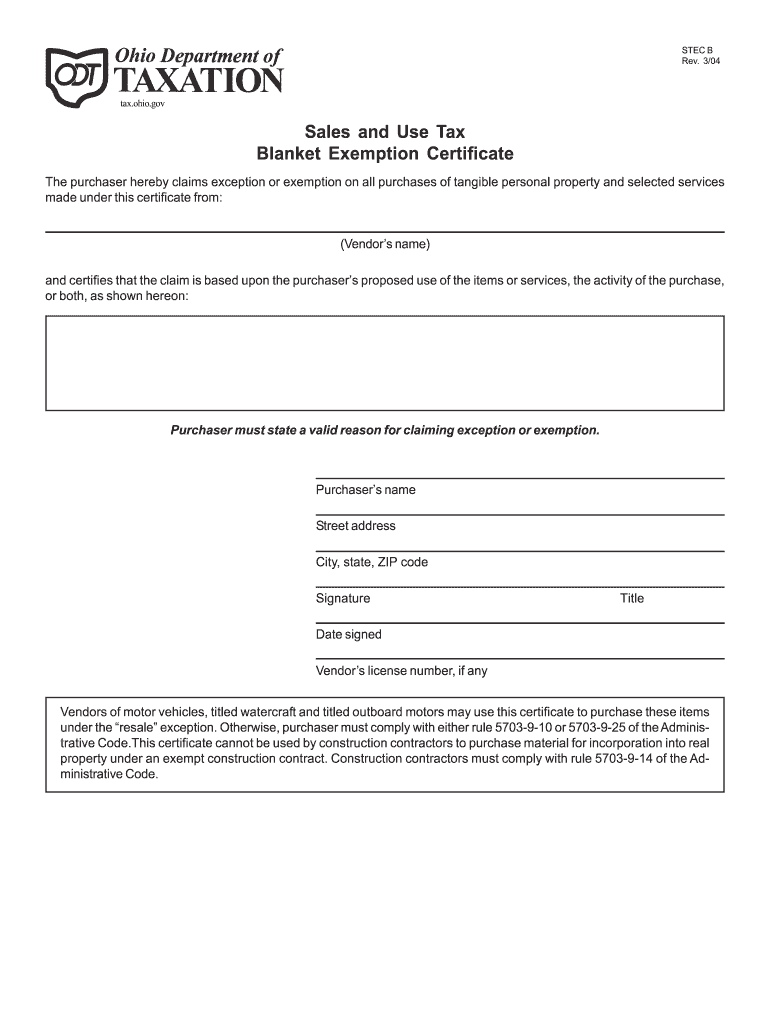
The Ohio tax exempt form, often referred to as the Ohio Sales and Use Tax Blanket Exemption Certificate, is essential for entities wishing to claim exemption from Ohio sales taxes on eligible purchases. It is crucial for buyers to understand its application, requirements, and proper usage to ensure compliance and optimize tax savings.
Purpose of the Ohio Tax Exempt Form
The primary purpose of this form is to allow qualified purchasers—such as non-profit organizations, government entities, and certain businesses—to exempt themselves from paying sales tax on eligible transactions. By presenting this document at the time of purchase, buyers can avoid unnecessary taxation on items classified as tax-exempt under Ohio law. This exemption is beneficial for:
- Non-profit organizations that utilize funds for charitable purposes.
- Government entities acting in their official capacity.
- Businesses purchasing materials that will be used in production or resale.
Key Components of the Form
When filling out the Ohio tax exempt form, several critical components must be addressed. These include:
- Purchaser's Information: The form must clearly display the name, address, and tax ID number of the purchaser.
- Reason for Exemption: The buyer should specify their eligibility for tax exemption, whether based on type of organization or the nature of the goods being purchased.
- Signature: An authorized individual's signature from the purchasing entity is necessary to validate the document.
- Date: Providing a date ensures that the exemption is current as per Ohio tax regulations.
Types of Exemptions Offered
Ohio provides various exemptions under the sales and use tax law. Understanding the categories of exemptions can help users accurately complete the form. Some common exemption types include:
- Sales made to charitable organizations: Non-profits that provide community services often qualify.
- Sales essential for manufacturing: Materials purchased for production purposes can be exempt.
- Government purchases: Items acquired for governmental functions are typically exempt from sales tax.
Process for Completing the Form
Completing the Ohio tax exempt form requires attention to detail to ensure accuracy and compliance. Follow these steps:
- Download the Form: Obtain the Ohio tax exempt form PDF from the relevant state department or authorized website.
- Fill Out Required Information: Carefully enter the purchaser's details, including name, address, and tax ID.
- Specify Exemption Type: Select the correct reason for the exemption, ensuring it aligns with Ohio tax regulations.
- Sign and Date: Ensure an authorized representative signs and dates the form.
- Provide to the Seller: Present the completed form to the seller during the transaction. This ensures that no sales tax is applied to the purchase.
Variations and Versions of the Form
The Ohio tax exempt form may come in different formats or versions, notably:
- Blanket Exemption Certificate: This version may cover multiple purchases or an ongoing relationship with a vendor.
- Single Purchase Exemption: This applies specifically to a distinct transaction rather than an ongoing basis.
Purchasers should familiarize themselves with these variations to make informed decisions based on their purchasing needs.
Compliance and Record-Keeping
Maintaining compliance is vital when utilizing the Ohio tax exempt form. Buyers must keep copies of the completed exemption forms for their records in case of audits or reviews by tax authorities. Important points include:
- Audit Preparedness: Make sure records are well-organized and accessible.
- Re-evaluation of Exemptions: Taxes laws may change, requiring users to revisit their exemption status regularly.
Conclusion on Usage and Benefits
Proper understanding and execution of the Ohio tax exempt form can significantly reduce costs for eligible purchasers. By adhering to all regulations and keeping accurate records, businesses and organizations can ensure that they benefit fully from available tax exemptions.