






Understanding the Land Lease Agreement in Alberta
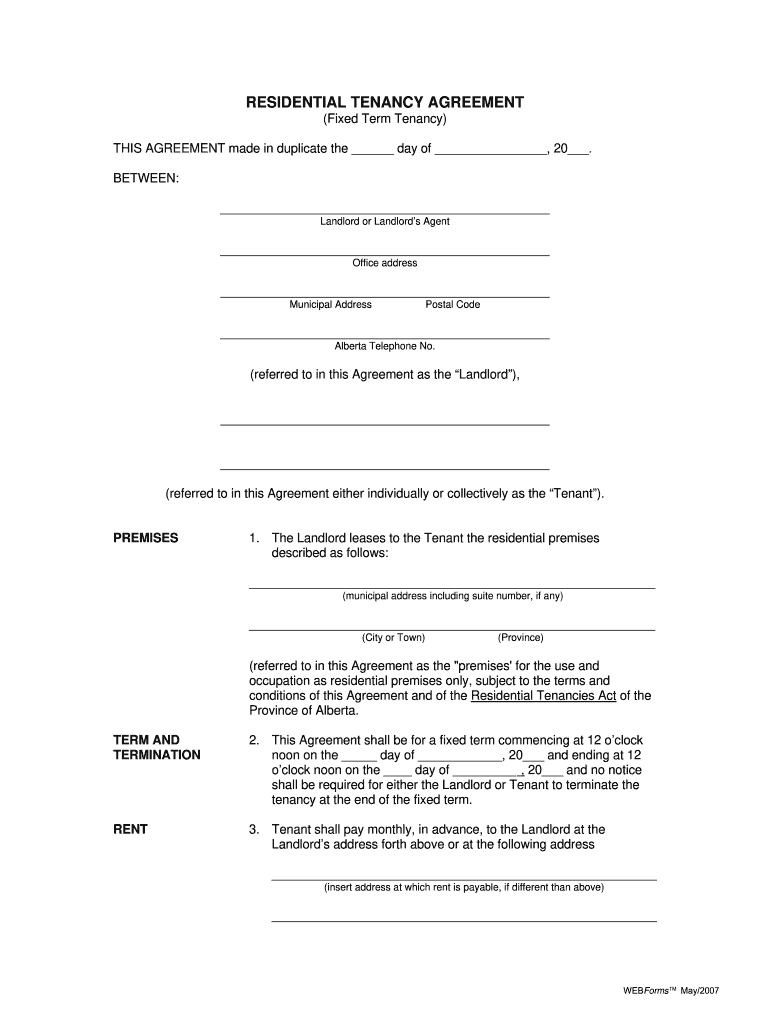
A land lease agreement in Alberta is a legal document that outlines the terms and conditions between a landowner and a lessee regarding the use of the land. This type of agreement is particularly relevant for individuals or businesses looking to lease land for various purposes, such as agriculture, residential use, or commercial activities. It is important to understand the key components that comprise this agreement to ensure both parties are protected and aware of their obligations.
Key Components of a Land Lease Agreement in Alberta
A well-structured land lease agreement includes several fundamental elements that define the rights and responsibilities of both parties. Understanding these components ensures clarity and reduces the potential for disputes.
-
Parties Involved: The agreement identifies the lessor (landowner) and the lessee (tenant), including their pertinent contact information.
-
Description of the Property: A detailed description of the land being leased is critical. This includes boundaries, geographic coordinates, and any specific landmarks to avoid confusion.
-
Lease Terms: This includes the duration of the lease, renewal options, and termination conditions. It is essential to specify whether the lease is fixed-term or month-to-month.
-
Rental Payments: The agreement should outline the rental amount, payment schedule (monthly, quarterly, etc.), and acceptable payment methods. Any provisions for late payments or increases in rent over time must also be clearly defined.
-
Maintenance and Repairs: Responsibilities for maintaining the land and structures (if any) on it should be clearly delineated. This includes who is responsible for routine maintenance and any necessary repairs.
-
Land Use Restrictions: The agreement should specify what activities are permitted on the leased land. For instance, if the land is for agricultural use, restrictions on the type of crops that can be planted may be necessary.
-
Insurance Requirements: Insurance obligations of the lessee, including any liability coverage, should be detailed. This protects both parties from potential financial liabilities that may arise during the lease period.
-
Termination Clause: Clear guidelines on how either party can terminate the lease are vital. This includes conditions that warrant termination and notice periods required for such actions.
Types of Land Lease Agreements
There are various types of land lease agreements, depending on the intended use of the land. Understanding these types can help landowners and tenants select the appropriate agreement.
-
Residential Land Lease: Often used for mobile homes or seasonal residences, this type of lease is tailored to individuals wishing to place a dwelling on rented land.
-
Commercial Land Lease: This agreement is designed for businesses looking to establish operations on leased land, such as retail, restaurants, or industries requiring extensive land use.
-
Agricultural Land Lease: Here, the lessee rents land specifically for farming and agricultural purposes. It may include stipulations regarding crop management practices.
Important Legal Considerations
Navigating a land lease agreement in Alberta requires adherence to specific legal guidelines, which include compliance with the Provincial Landlord and Tenant Act. Understanding these legal frameworks is crucial for both parties to avoid potential disputes.
-
Written Agreement: While verbal agreements can be binding, having a written contract is highly recommended as it provides clear documentation of terms.
-
Dispute Resolution: The agreement should include a procedure for resolving disputes, such as mediation or arbitration, to avoid lengthy legal battles.
-
Legal Advice: Consulting with a legal professional before signing a land lease agreement can provide insights into the obligations and rights of both parties, ensuring all terms are enforceable under Alberta law.
Common Scenarios and Examples
Land lease agreements can vary significantly in their application based on specific scenarios. Here are a few examples that illustrate this diversity:
-
Agricultural Lease Example: A farmer may enter a land lease agreement for five years to cultivate crops on a 50-acre plot, including clauses on crop rotation and pesticide use.
-
Residential Lease Example: A family may lease land from a landowner to place a mobile home. The agreement includes monthly rental payments, maintenance responsibilities, and stipulations regarding pets and property alterations.
-
Commercial Lease Example: A restaurant may lease land in a busy area for fifteen years, with provisions for installing a permanent building, signage regulations, and compliance with local zoning laws.
By understanding the intricacies of land lease agreements in Alberta, both landowners and lessees can protect their interests. This detailed examination of terms, legal implications, and practical examples serves to equip parties involved with the knowledge needed for effective land use and management.