





Definition and Meaning of Penalty of Perjury Statement
A penalty of perjury statement is a legal declaration made by an individual asserting that the information provided within a document is true and accurate to the best of their knowledge. This statement carries significant legal weight, as it signifies that the person is aware of the serious consequences of providing false information. The term "perjury" refers to the act of lying under oath, which can lead to severe penalties, including fines and imprisonment.
In the context of legal documents, the phrase "I declare under penalty of perjury that the foregoing is true and correct" is commonly used to indicate that the individual understands the gravity of their declaration. Such statements are often included in various forms, including tax returns, affidavits, and other official declarations.
Importance of Understanding the Statement
- Consequences of False Information: Understanding the implications of signing a penalty of perjury statement is crucial, as providing inaccurate information can lead to legal repercussions.
- Affirmation of Knowledge: By signing such a statement, individuals affirm their commitment to honesty and accuracy in legal proceedings.
Who Typically Uses the Penalty of Perjury Statement Example
Various individuals and entities encounter penalty of perjury statements across different contexts. Specific examples include:
- Individuals Filing Tax Returns: Taxpayers in the United States must often sign their returns under penalty of perjury to confirm the accuracy of their reported income and expenses.
- Affiants in Legal Proceedings: People providing sworn affidavits regarding a matter in court must include a penalty of perjury statement to authenticate their claims.
- Business Owners: Corporations, LLCs, and partnerships frequently utilize penalty of perjury statements when submitting declarations or compliance documents to state agencies.
Understanding who commonly uses these statements can help demystify their necessity and importance in various legal frameworks.


Steps to Complete the Penalty of Perjury Statement Example
Completing a penalty of perjury statement involves several crucial steps to ensure its validity and enforceability. The following steps outline the process:
-
Gather Necessary Information: Collect all relevant details that must be included in the statement. This often involves personal identification, accurate figures for financial declarations, or factual representations in affidavits.
-
Choose the Appropriate Form: Identify the specific form or document that necessitates the inclusion of a penalty of perjury statement. This could vary depending on the context (e.g., tax forms, legal affidavits).
-
Draft the Statement: Write the statement clearly and concisely. Begin with a declaration like, "I declare under penalty of perjury that the foregoing is true and correct."
-
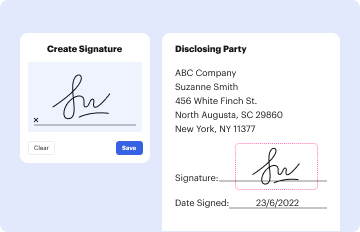
Sign and Date the Document: Ensure that you sign and date the statement in the appropriate section. This action formalizes your commitment to its accuracy.
-
Review Accountability: Before submission, review the entire document thoroughly to confirm that all information is accurate and correctly presented to avoid potential legal consequences.
-
Submit the Document: Depending on the context, submit the completed document either online, via mail, or in person. Make sure to adhere to any specific submission guidelines pertinent to the type of statement being filed.
Key Elements of the Penalty of Perjury Statement Example
When drafting a penalty of perjury statement, certain fundamental elements must be included to ensure compliance with legal standards.
-
Clear Declaration: The statement should start with a clear declaration that the individual is stating under penalty of perjury.
-
Identification of the Declarant: Include the full name, date of birth, and possibly a Social Security number or other identifiers to establish the identity of the person making the statement.
-
Statement of Truth: The core assertion that the information provided is true and correct must be explicitly stated, often framed within a phrase such as "I hereby declare under penalty of perjury that the foregoing is true and correct."
-
Date and Signature: Conclude with the date of signing and the declarant's signature, affirming the commitment to truth.
These elements are critical to ensuring that the statement serves its intended purpose and adheres to statutory requirements.
Legal Uses of the Penalty of Perjury Statement Example
The penalty of perjury statement plays a vital role in various legal frameworks, ensuring accountability and integrity in legal declarations. Common legal uses include:
-
Tax Returns: When individuals submit tax returns, they must often sign under penalty of perjury to confirm that all reported information is accurate. This helps prevent tax fraud and misrepresentation.
-
Affidavits and Sworn Statements: In court settings, affidavits require a penalty of perjury statement to testify that the information is accurate, lending credibility to the document.
-
Business Filings: Corporations are required to submit various documents, such as annual reports or compliance forms, accompanied by a penalty of perjury statement to ensure accuracy and accountability in their business representations.
The use of these statements in legal documentation underscores their significance as a tool for maintaining honesty and integrity within legal proceedings.
State-Specific Rules for the Penalty of Perjury Statement Example
Different states may have unique regulations and requirements concerning penalty of perjury statements. While the fundamental concept remains consistent across jurisdictions, specific stipulations can vary.
-
California: Under California law, penalty of perjury statements must follow certain statutory language and may be found in specific forms like the Form MC-030. The state may also require notarization under specific circumstances.
-
New York: New York also outlines specific language that must be included in penalty of perjury statements, particularly in legal affidavits and documents submitted to the court.
-
Florida: In Florida, the form may provide options to affirm or swear to the truth of a statement, with distinct language prescribed by Florida Statutes.
Understanding state-specific rules aids in ensuring compliance and avoids potential legal complications resulting from improperly formatted or incomplete declarations.
Examples of Using the Penalty of Perjury Statement Example
Practical applications of penalty of perjury statements can be observed across various scenarios:
-
Tax Declaration: When filing an annual tax return, a taxpayer may include the statement, "I declare under penalty of perjury that I have examined this return, and to the best of my knowledge and belief, it is true, correct, and complete."
-
Affidavit for Child Custody: A parent may submit an affidavit during a custody hearing, accompanied by the statement asserting that the information provided regarding their custody claims is accurate and truthful.
-
Business Compliance: A corporation filing its annual report with the state may include a penalty of perjury statement affirming the truthfulness of its financial disclosures and operational compliance.
These examples illustrate the versatility and necessity of penalty of perjury statements in various contexts, emphasizing their role in promoting accountability and truthfulness in legal and business environments.