







Definition & Purpose of Fax Form 9
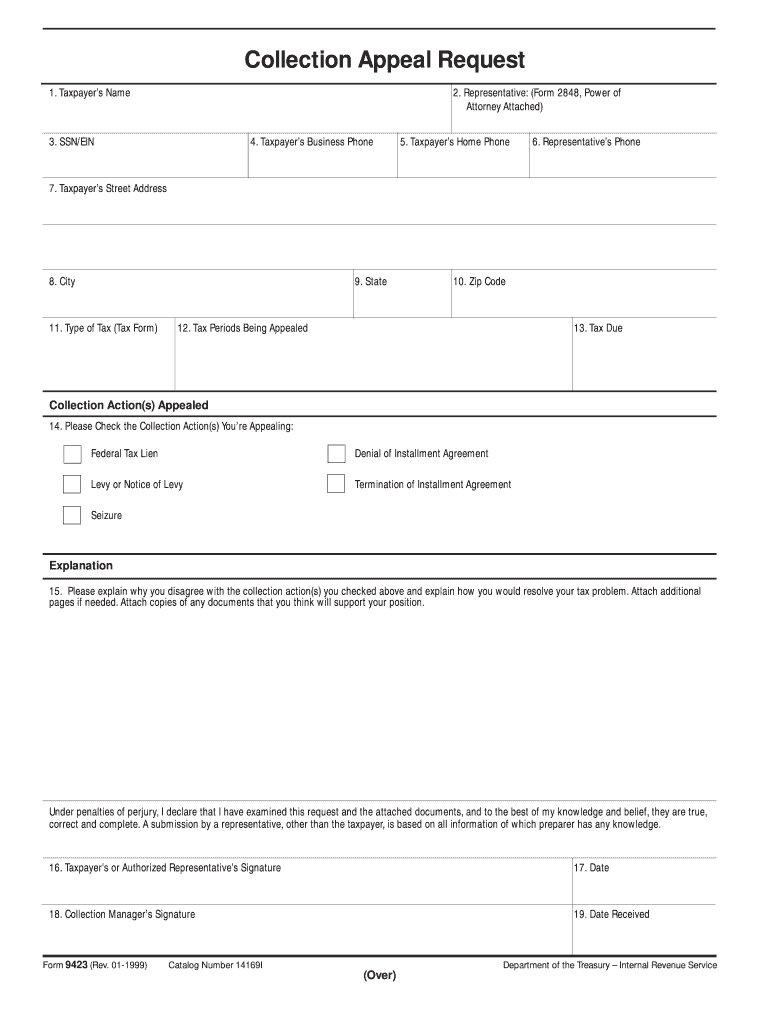
The fax form 9, commonly known as the Collection Appeal Request, is a tool used by taxpayers to contest IRS collection actions such as federal tax liens, levies, and installment agreement denials. The form serves as an official document allowing individuals or entities to explain why they believe the IRS's decision is unjust. It provides a structured way to request a review of a taxing authority's decision, marking the initial step in a formal appeals process.
How to Use the Fax Form 9
Using the fax form 9 effectively requires applicants to clearly state their case. Begin by completing the taxpayer information section, which includes details like your name, taxpayer identification number, and contact details. Next, articulate your reason for appeal, ensuring you provide specific evidence or documentation supporting your claim. Each section of the form should be completed with accuracy to avoid any processing delays.
Important Steps to Consider:
- Taxpayer Details: Provide all requested personal information, ensuring it matches IRS records.
- Reason for Appeal: Explicitly mention the IRS action you are contesting and why it is inappropriate.
- Supporting Documents: Attach any necessary documentation that supports your argument, such as previous correspondence with the IRS or financial documents.
- Signature: Ensure the form is signed, affirming that all information is correct and truthful.
Who Typically Uses the Fax Form 9
The fax form 9 is primarily used by taxpayers who are facing enforced collection actions by the IRS. This includes individuals, self-employed persons, and small business owners dealing with collection notices. The form is especially beneficial for those who believe their IRS collections were initiated erroneously or without sufficient grounds. Legal representatives or tax consultants often assist in preparing this form to ensure a well-structured submission.


Key Elements of Fax Form 9
Comprehending the fundamental components of the fax form 9 is essential for successful completion. Key elements include:
- Taxpayer Information: Essential contact information to facilitate future communications.
- Appeal Request Details: Areas to specify the type of IRS collection action being appealed.
- Summary Page: A concise narrative explaining the dispute, ideally backed by evidence.
- Documents Section: A list of attached documents that support your appeal.
Steps to Complete Fax Form 9
Accurate completion of the fax form 9 involves several distinct steps:
- Gather Required Information: Have all personal identifiers and documents ready.
- Complete Form Sections: Fill each part of the form, prioritizing clarity and detail.
- Review for Completeness: Ensure there are no omissions or errors in your entries.
- Sign and Date: Legal affirmations of truth need to be endorsed with your signature.
- Submit Form: Send the completed form through the designated fax number or mailing address provided in IRS instructions. Ensure you keep copies for your own records.
Why Should You Fax Form 9
Submitting a completed Collection Appeal Request via fax is often the quickest way to initiate the review process. Fax submissions reduce postal delays and provide confirmation of receipt. The form enables taxpayers to contest what they perceive as unfair or incorrect IRS collection actions, thus potentially preventing unwarranted financial distress. Utilizing this form is an essential recourse for those aiming to rectify collection disagreements efficiently.
Legal Use of the Fax Form 9
The fax form 9 must be used with complete transparency and accuracy to uphold its legitimacy in the legal process. Misrepresentation or provision of false information can negate the grounds of appeal and result in penalties. The form’s use complies with the IRS's structured appeals process, ensuring taxpayers have a fair chance to contest collection actions. Understanding legal stipulations surrounding this form equips taxpayers with the knowledge to navigate tax disputes effectively.
Examples of Using the Fax Form 9
-
Levy Appeal Scenario: A taxpayer receives a notice of levy on their bank account and uses form 9423 to dispute it based on recent payments not yet reflected in IRS records.
-
Lien Dispute: An individual finds a lien filed unjustly due to a clerical error and provides evidence via the form, seeking removal.
-
Installment Agreement Denial: A small business owner submits a form 9423 to challenge a rejected installment agreement proposal, offering detailed financial records to substantiate their ability to pay.
Each situation requires tailored documentation and a clear articulation of the dispute, emphasising the significance of diligent form completion practices.




