






Definition and Importance of a Noise Mitigation Plan
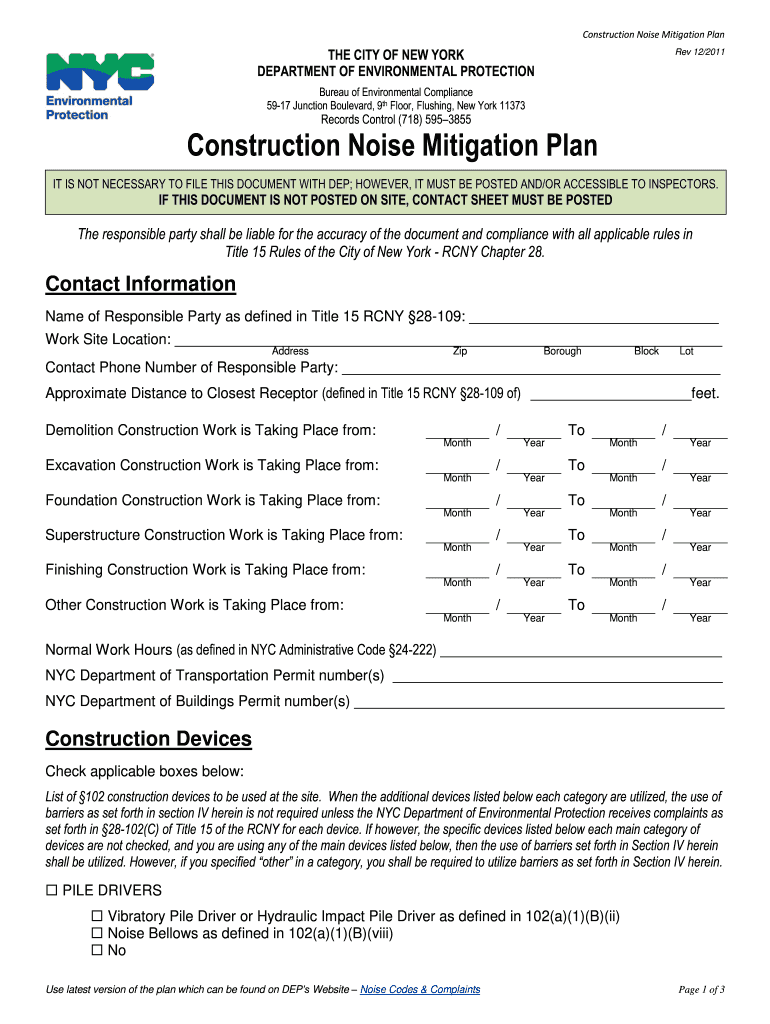
A noise mitigation plan is a structured document aimed at minimizing noise pollution generated during various activities, particularly construction. This plan outlines strategies for controlling noise levels to comply with local regulations and protect the surrounding environment and community. A well-developed noise mitigation plan is essential for maintaining public relations and ensuring the smooth execution of projects.
Core Elements of a Noise Mitigation Plan
- Noise Assessment: Evaluating existing noise levels in the area before project commencement.
- Mitigation Strategies: Detailing specific measures such as barriers, scheduling work hours, or using quieter machinery.
- Regulatory Compliance: Aligning the plan with local noise ordinances and state regulations.
This plan not only addresses immediate noise reduction tactics but also incorporates strategies to monitor ongoing noise levels throughout the project's lifecycle.
Steps to Create a Comprehensive Noise Mitigation Plan
Creating a noise mitigation plan involves several methodical steps ensuring thorough consideration of environmental impacts.
-
Initial Noise Assessment:
- Conduct measurements to establish baseline noise levels in the area.
- Identify sensitive receptor locations, such as residences, schools, or hospitals.
-
Developing Mitigation Measures:
- Consider noise barriers, such as walls or fences, to absorb sound.
- Schedule noisy activities during times that may lessen impact (e.g., avoiding early mornings).
-
Engagement and Communication:
- Communicate your plan with stakeholders and affected residents, providing an opportunity for feedback.
- Hold informational meetings or distribute materials that explain the proposed measures.
-
Implementation of the Plan:
- Establish a timeline for introducing mitigation measures.
- Assign responsibilities to ensure accountability.
-
Monitoring and Reporting:
- Set up a framework for ongoing noise monitoring.
- Prepare reports to evaluate the effectiveness of implemented measures.
This step-by-step approach not only aids in effective noise management but also fosters community trust and compliance with legal requirements.
Key Considerations in Noise Mitigation Plan Development
Developing a noise mitigation plan requires careful consideration of various factors that influence its effectiveness.
Types of Mitigation Techniques
- Physical Barriers: Installing sound walls or landscaping to block noise.
- Equipment Selection: Choosing low-noise machinery and tools for operations.
- Operational Changes: Restricting the volume and timing of noisy tasks.
Legal Compliance
Ensuring adherence to local noise ordinances is crucial. This includes understanding:
- Permits Required: Some jurisdictions require specific permits for construction noise plans.
- Limitations: Identifying acceptable noise thresholds and times for construction work.
This background enables project managers to educate their teams on compliance, thereby avoiding potential fines or project delays.
Examples of Effective Noise Mitigation Plans
Real-world applications of noise mitigation plans illustrate effective strategies. For instance:
-
City Construction Projects: In New York City, construction projects often include detailed noise mitigation plans. One example involved the use of specialized tools designed to minimize noise while performing necessary drilling operations.
-
Large-Scale Events: Organizers for outdoor concerts frequently develop noise mitigation plans that include sound monitoring and restrictions on amplification systems, especially when near residential areas.
By studying these examples, professionals can glean insights into best practices and innovative solutions, tailoring their plans to fit unique project needs.
Noise Mitigation Plan Compliance and Reporting
Proper compliance and reporting practices are essential components of any noise mitigation plan.
Monitoring Noise Levels
- Regular Checkpoints: Establish periodic noise level assessments at various phases of the project.
- Use of Technology: Implement noise monitoring devices that provide real-time data.
Documentation and Audit Trails
Maintaining thorough documentation of noise monitoring efforts and mitigation actions is vital. This documentation serves to:
- Demonstrate Compliance: Providing evidence that all measures are taken to adhere to legal noise limits.
- Facilitate Reviews: Allowing for easier evaluations during project spot checks or audits.
Efficient reporting helps project managers remain proactive in addressing any noise nuisances before they become significant issues.
Conclusion on Noise Mitigation Plan Implementation
The successful implementation of a noise mitigation plan not only adheres to regulatory standards but also enhances community relations and project credibility. By addressing noise issues comprehensively, stakeholders can ensure that construction or development projects proceed smoothly while respecting the tranquility of surrounding neighborhoods.