




01. Edit your form online
Type text, add images, blackout confidential details, add comments, highlights and more.

Type text, add images, blackout confidential details, add comments, highlights and more.

Draw your signature, type it, upload its image, or use your mobile device as a signature pad.

Send it via email, link, or fax. You can also download it, export it or print it out.
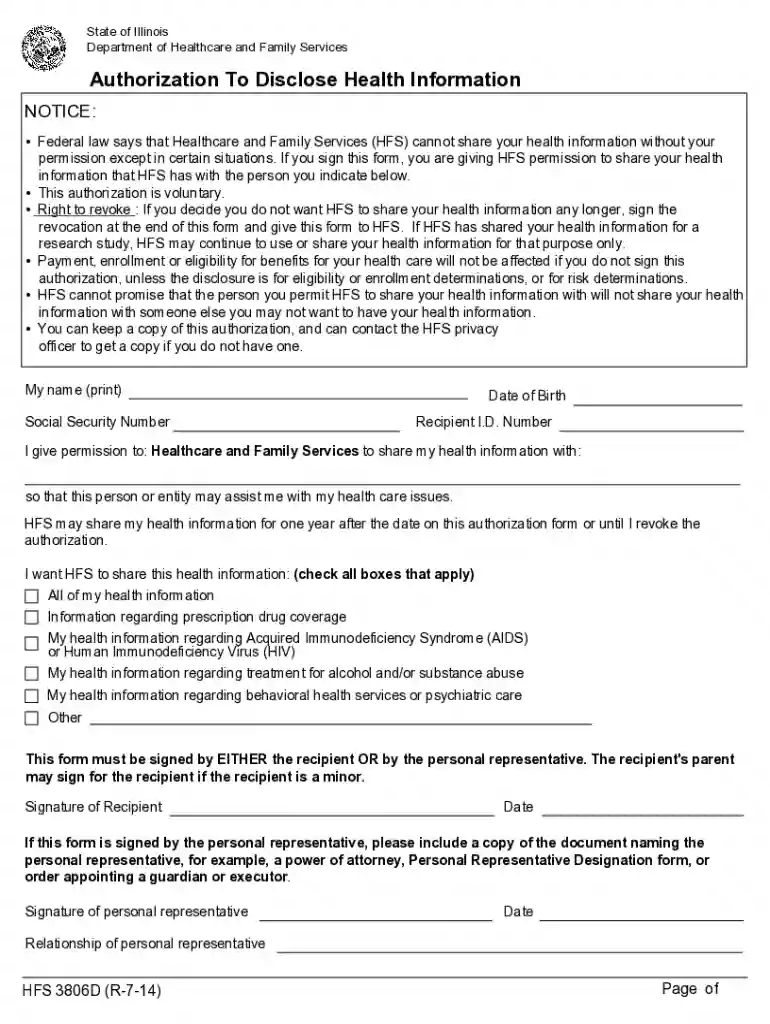
The form titled "Can your employer see your health insurance claims?" primarily addresses concerns regarding privacy and confidentiality related to health insurance claims and employer access. It serves to educate individuals about the rights and protocols concerning the visibility of personal health insurance information to employers. This form highlights the regulations that protect employee health information under laws such as the Health Insurance Portability and Accountability Act (HIPAA).
HIPAA is a federal law that ensures the protection of sensitive patient health information. Under this law, employers are generally prohibited from accessing an employee's detailed health insurance claims. The form underscores that while employers may see aggregated data regarding healthcare costs for planning and billing purposes, individual claims and specific health information remain confidential.
Employers may access personal health information under limited circumstances, such as when a compliant release or authorization form is signed by the employee. The form provides structured guidance on how such a release should be handled legally, emphasizing the voluntary nature of sharing health information and the repercussions of unauthorized disclosure by employers.
The form provides clarity on these terms, ensuring that users understand the legal language and its implications regarding health information sharing.
Providing a detailed walkthrough ensures comprehensive understanding, significant for avoiding mistakes that could inadvertently share unwanted information.
These elements are crucial in ensuring that information is shared legally and voluntarily, protecting the individual's right to privacy.
These examples aid in providing practical insight into how the form is used and its importance in maintaining the balance between personal privacy and organizational needs.
For those opting for digital submission, DocHub is compatible with platforms such as Google Workspace, Gmail, and cloud storage services like Dropbox and OneDrive, simplifying the process and ensuring data security through secure integrations.
Different states may have specific rules around the disclosure of health information due to state-level privacy laws. For example, California's Consumer Privacy Act (CCPA) provides additional protections over HIPAA, requiring distinct consent processes. This section would address interpretations and variations to ensure compliance across jurisdictions.
This comprehensive coverage helps in providing a detailed understanding of how individuals can manage their health information while balancing organizational requirements and ensuring adherence to privacy laws.
We've got more versions of the Can your employer see your health insurance claims? form. Select the right Can your employer see your health insurance claims? version from the list and start editing it straight away!
At DocHub, your data security is our priority. We follow HIPAA, SOC2, GDPR, and other standards, so you can work on your documents with confidence.


