



Definition & Meaning
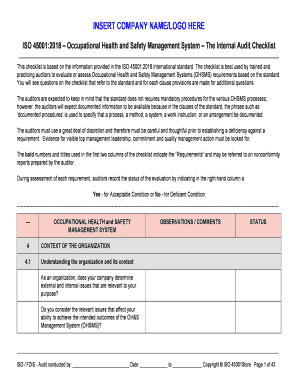
Form interrogatories in the context of unlawful detainer in Illinois are a set of pre-formulated questions used during the discovery phase of a legal proceeding. They are intended to clarify facts, obtain information, and gather evidence regarding a tenant's eviction situation. This form allows either the landlord or the tenant to request specific details that could reveal important aspects of the case, ensuring both parties have access to all relevant information before the trial.
Steps to Complete the Form Interrogatories
-
Review Instructions: Begin by carefully reading the instructions provided with the form. Understanding the purpose and scope of each question ensures that responses are relevant and complete.
-
Gather Information: Collect all necessary documents and data related to the tenancy, lease agreements, rent payment records, communication logs, and any previous court actions.
-
Answering Questions: Provide clear, concise answers to each question. For questions not applicable to your situation, state "Not Applicable" or "N/A."
-
Verification: Double-check all entries for accuracy. Ensure that all responses are truthful and based on available evidence.
-
Sign & Date: The completed form must be signed and dated, certifying that the information provided is truthful to the best of your knowledge.
-
Submit & Serve: Once the form is completed, submit it to the opposing party according to Illinois legal procedures. Ensure proper documentation of the submission for future reference.
Legal Use of the Form Interrogatories
- Discovery Process: This form is a critical component of the discovery process, enabling parties to disclose and request information necessary for building their case.
- Evidentiary Support: Answers to interrogatories can be used as evidence in court, making it essential to provide accurate and complete responses.
- Clarifying Issues: The form helps clarify contested issues, potentially leading to a settlement before trial.
Who Typically Uses the Form Interrogatories
- Landlords: May use the form to acquire information on the tenant's defenses, prior conduct, or financial status.
- Tenants: Utilize the form to collect evidence regarding the landlord's claims or management practices.
- Legal Representatives: Attorneys often prepare and examine these forms to strategize or negotiate on behalf of their clients.


Important Terms Related to Form Interrogatories
- Unlawful Detainer: A legal action initiated by a landlord to regain possession of a rental property from a tenant who refuses to leave after the lease term has ended.
- Discovery: The pre-trial procedure where parties obtain evidence from each other to prepare for the trial.
- Interrogatories: A set of formal questions exchanged between parties as part of the discovery process.
State-Specific Rules for the Form Interrogatories
- Illinois Civil Procedure: Governed by Illinois rules, the form must conform to specific procedural standards, including timelines and service methods.
- Local Variations: Some courts may have additional local forms or rules that supplement state requirements.
- Compliance: Parties must adhere to court-mandated deadlines for submitting responses to remain compliant with procedural requirements.
Examples of Using the Form Interrogatories
- Case Scenario: Tenant Defense: A tenant may use form interrogatories to uncover improper notice procedures by the landlord, potentially invalidating the eviction case.
- Landlord's Evidence: A landlord may seek information about unauthorized occupants or activities within the rental unit that breach the lease terms.
State-by-State Differences
While the form interrogatories for unlawful detainer are specific to Illinois, other states may have variations in content, format, or procedural requirements. It is necessary to ensure compliance with state-specific guidelines that reflect local laws and court processes.
Penalties for Non-Compliance
Failure to complete and return form interrogatories within stipulated timeframes can result in legal consequences, such as:
- Court Sanctions: These may include fines or adverse rulings.
- Evidentiary Outcomes: Non-compliance may lead to the exclusion of certain defenses or arguments in court.
- Judgment Implications: The court may enter a default judgment against the non-compliant party.
Digital vs. Paper Version
- Digital Advantage: Utilizing digital versions streamlines submission and ensures records are easily accessible. Platforms like DocHub support digital editing and signing.
- Paper Format: For those preferring traditional methods, printed forms remain valid but require manual submission and tracking.
Software Compatibility
While specific software is not mandated for working with form interrogatories in Illinois, tools like DocHub offer an efficient way to manage these documents digitally, ensuring edits, annotations, and signatures are completed seamlessly.