Definition and Meaning of the Food Poisoning Form
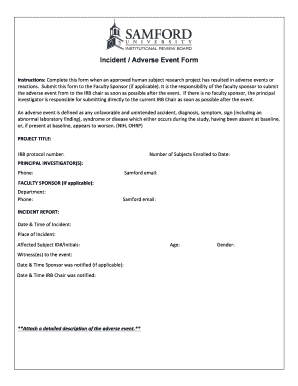
The food poisoning form is an essential instrument used by health agencies to document instances of foodborne illness. This form records critical information about individuals affected by food poisoning, such as personal details, symptoms experienced, and possible sources of contamination. It further includes sections for recording illness history, food consumption details, and outcomes of lab investigations. This structured document helps in tracking and managing outbreaks and is pivotal for health authorities in planning and implementing food safety measures.
How to Use the Food Poisoning Form
Proper utilization of the food poisoning form is crucial for ensuring the accuracy and comprehensiveness of collected data. Stakeholders should fill out the form with detailed and honest information. Start by entering the personal details of the affected individual, then proceed to describe the symptoms and identify any recent food consumption that might be relevant. Ensure all sections, including lab evidence and inquiries, are comprehensively recorded. This information offers a holistic view of the case, aiding experts in identifying patterns and sources of contamination.
Step-by-Step Instructions
- Detail Personal Information: Include the individual's name, age, and contact information.
- Record Symptoms: Clearly list the symptoms experienced, along with their onset time.
- Outline Illness History: Provide context by listing any similar past illnesses or known food allergies.
- Food Consumption History: Specify any suspected meals, venues, and timeframes.
- Outcomes and Recovery: Note any medical care received and recovery details.
- Lab Investigations: Include any relevant test results that confirm the illness.
How to Obtain the Food Poisoning Form
Obtaining the food poisoning form can vary based on jurisdiction and the issuing health authority. Typically, these forms are made available by local health departments or online platforms associated with public health services. Consult your local health department's website for downloadable versions or physical copies. Some areas might have digital forms accessible through platforms like DocHub to streamline submission and tracking.
Examples of Acquisition
- Online Platforms: Check health agency websites for downloadable PDFs or submission portals.
- Physical Copies: Visit local health offices for printed versions.
- Mobile Access: Use apps or platforms like DocHub for electronic documentation and submission.
Steps to Complete the Food Poisoning Form
Accurate completion of the food poisoning form ensures that the information provided is useful in controlling outbreaks and preventing future cases. Here are some key steps you should follow to effectively fill out the form:
- Review Instructions: Begin by thoroughly reading any provided instructions or guidelines.
- Gather Information: Prepare personal information, symptom details, and food consumption history.
- Fill Sections Sequentially: Start with personal details, progressing through symptoms, history, and consumption.
- Review for Completeness: Double-check that all fields are filled and amend any inconsistencies.
- Submit Appropriately: Depending on your region, submit the form either online, via mail, or in-person.
Why You Should Complete a Food Poisoning Form
The food poisoning form serves a critical role in public health surveillance and prevention. Completing this form enables health authorities to track the spread of foodborne illnesses and investigate potential sources and contaminated food products. This can lead to timely interventions, preventing further cases and ensuring public safety. Additionally, the form contributes valuable data that can influence future food safety regulations and practices.
Benefits
- Tracking Outbreaks: Identifies patterns and sources leading to contamination.
- Informing Public Safety Measures: Guides regulatory actions to ensure food protection.
- Community Health: Enhances community awareness and education on food safety practices.
Key Elements of the Food Poisoning Form
For effective data collection, it’s vital to recognize the principal components of the food poisoning form. These elements capture necessary information, allowing for a comprehensive overview of each case.
- Personal Details: Name, age, and contact information.
- Symptomatic Information: Detailed list of symptoms, severity, and onset timing.
- Historical Context: Records of previous similar illnesses or allergies.
- Food Consumption Data: Details of suspect food items, locations, and consumption times.
- Lab and Clinical Outcomes: Results from medical tests and treatments undertaken.
Who Typically Uses the Food Poisoning Form
The food poisoning form primarily serves health professionals and agencies responsible for monitoring public health. However, it is also utilized by individuals who have experienced symptoms of food poisoning and need to report these instances. Additionally, restaurants or food service establishments might use the form in compliance with health regulations when investigating reported cases linked to their services. This collaboration between public and private sectors aids in maintaining hygiene standards and public safety.


Legal Use of the Food Poisoning Form
The food poisoning form holds legal significance as it can be used in regulatory compliance and potential litigations involving food safety breaches. The documented information may serve as evidence in investigations conducted by health authorities to ensure accountability and resolution. In the U.S., adherence to legal guidelines such as the Food Safety Modernization Act (FSMA) might necessitate thorough documentation of foodborne illness cases, further affirming the form's importance.
Legal Considerations
- Privacy and Data Protection: Maintain confidentiality of personal data according to data protection laws.
- Compliance: Ensure records conform with local and federal public health regulations.
- Evidence in Litigations: Can serve as an official record in case of disputes or investigations.
Each of these sections offers a comprehensive breakdown of the food poisoning form's purpose, utility, and application, delivering valuable insights aligned with the specific requirements of the form.