



Definition & Meaning
A Backup Caregiver Agreement is a legally binding document primarily used to outline the responsibilities and expectations of a backup caregiver designated to care for a client when the primary caregiver is unavailable. This agreement ensures continuity of care, detailing tasks such as medication administration, personal care, and participation in the client's Plan of Care. By clearly defining these roles and responsibilities, the agreement helps maintain the client's independence and safety while providing a clear framework for the backup caregiver.
Key Elements of the Backup Caregiver Agreement
The Backup Caregiver Agreement includes several important components to ensure comprehensive caregiving. Key elements typically encompass:
- Caregiving Duties: Specifies daily tasks such as assistance with personal hygiene, meal preparations, and helping with mobility.
- Contingencies: Outlines protocols if the primary caregiver is temporarily or permanently unable to fulfill their responsibilities.
- Plan of Care: Focuses on personalized client care to promote safety, comfort, and independence.
- Compliance and Compensation: Details how caregivers are compensated and any compliance necessary with state or federal laws.
How to Use the Backup Caregiver Agreement
Utilizing a Backup Caregiver Agreement involves several critical steps, intelligently designed to ensure smooth implementation and compliance:
- Review Client Needs: Understand the specific requirements outlined in the client's Plan of Care.
- Draft the Agreement: Include all relevant details, duties, and expectations for the backup caregiver.
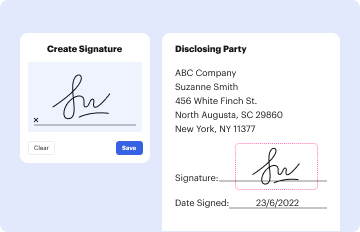
- Signing Parties: Ensure all parties, including the backup caregiver, client, and service provider, have read and signed the agreement.
- Distribute Copies: Provide signed copies to all stakeholders to avoid any ambiguity or misunderstanding later.
Steps to Complete the Backup Caregiver Agreement
Successfully drafting and completing a Backup Caregiver Agreement requires attention to detail:
- Identification: Clearly identify the parties involved, including the client and backup caregiver.
- Define Terms: Clearly outline the terms used in the document, ensuring all parties have a common understanding.
- Delineate Responsibilities: Categorize responsibilities and ensure they are practical and achievable.
- Legal Compliance: Verify the document's adherence to applicable local, state, and federal laws before finalizing.
- Sign and Date: Ensure every party reviews the agreement thoroughly before signing and dating the form.
- Review Periodically: Regularly revisit the agreement to ensure it continues to meet the client's needs as they evolve over time.
Important Terms Related to Backup Caregiver Agreement
Understanding specific terms is vital for proper implementation of the Backup Caregiver Agreement:
- Primary Caregiver: The main individual responsible for the day-to-day care of the client.
- Backup Caregiver: An alternate caregiver who steps in when the primary caregiver is unavailable.
- Plan of Care: A personalized care plan developed by health professionals to cater to the specific needs of the client.
- Contingency Plans: Strategies planned for unforeseen circumstances, ensuring continued care.
Legal Use of the Backup Caregiver Agreement
The legal application of a Backup Caregiver Agreement is essential, especially regarding compliance with local and federal laws:
- ESIGN Act: Electronic signatures within these agreements are considered legally binding under U.S. law.
- Privacy Regulations: Ensure the agreement complies with privacy laws such as HIPAA, if applicable.
- State Regulations: Be aware of specific state mandates which might influence the structure or content of the agreement.
Who Typically Uses the Backup Caregiver Agreement
The Backup Caregiver Agreement is a critical resource for various stakeholders:
- Home Care Agencies: Frequently used by these organizations to ensure consistent care for clients.
- Family Caregivers: Provides clarity when family members are tasked with caregiving responsibilities.
- Legal Representatives: Used by legal and healthcare professionals to protect the interests of both caregivers and clients.

State-Specific Rules for the Backup Caregiver Agreement
While the Backup Caregiver Agreement has broad applicability, state-specific nuances may affect its execution:
- State Licensing Requirements: Some states may have particular credentials or certifications required for caregivers.
- Documentation Differences: Variability in required documentation across states may necessitate modifications in the agreement.
- Regional Regulations: State laws may dictate different provisions for caregiver responsibilities, impacting agreement clauses.
Examples of Using the Backup Caregiver Agreement
To illustrate practical applications of this agreement:
- Scenario A: In case of a sudden illness of the primary caregiver, a backup caregiver seamlessly takes over responsibilities such as medication administration and personal care, following the outlines of the agreement.
- Scenario B: A client’s unique needs, such as dietary restrictions, are efficiently managed by backup caregivers trained as per agreement specifications, ensuring continuous adherence to their Plan of Care.
By carefully crafting and utilizing a Backup Caregiver Agreement, both clients and caregivers can enjoy a structured and reliable care system, facilitating better health outcomes and peace of mind. This agreement not only lays out clear guidelines and responsibilities but also offers legal and operational peace of mind for all parties involved.