



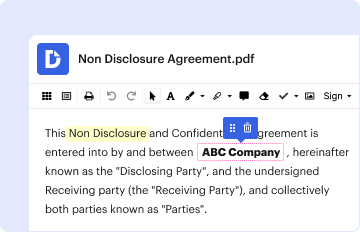
01. Edit your wisconsin waiver of lien online
Type text, add images, blackout confidential details, add comments, highlights and more.

Type text, add images, blackout confidential details, add comments, highlights and more.
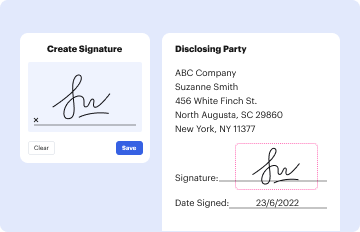
Draw your signature, type it, upload its image, or use your mobile device as a signature pad.

Send wisconsin lien waiver form via email, link, or fax. You can also download it, export it or print it out.
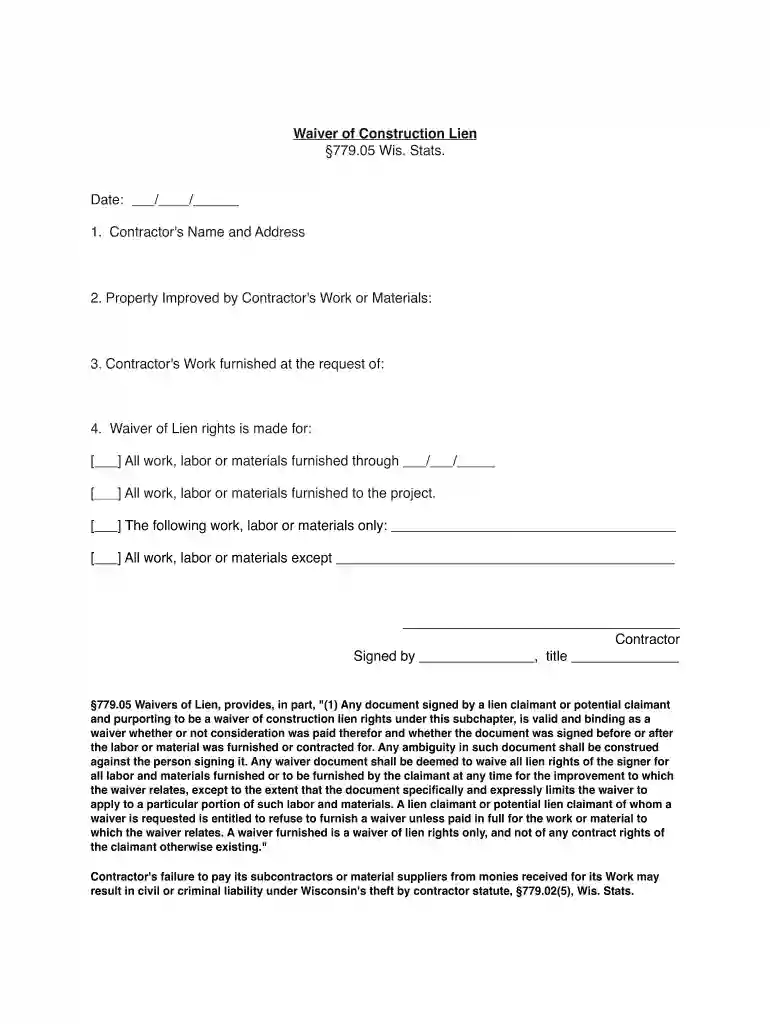
The Wisconsin waiver lien form, formally known as the Waiver of Construction Lien, is a legal document governed by §779.05 of the Wisconsin Statutes. This form is used by contractors and subcontractors in the state of Wisconsin to waive their lien rights for work or materials provided on a property. Understanding its implications is critical for ensuring that all parties are aware of their rights and obligations.
The waiver lien form plays a crucial role in the construction industry by protecting property owners from potential liens, which can complicate property transactions. By obtaining this waiver, owners can ensure that all contractors and suppliers have been compensated, thereby reducing the risk of legal encumbrances on their properties. Conversely, contractors should understand that waiving their lien rights can limit their ability to collect payments later if proper precautions aren't taken.
To complete the Wisconsin waiver lien form, it's important that it is filled out accurately. Essential pieces of information typically include:
Signing the waiver lien form can have significant legal consequences. By waiving lien rights, contractors and subcontractors may forfeit their ability to claim payment for the services rendered. It's essential to understand that the waiver is binding regardless of whether all payment conditions are met unless otherwise specified in the document.
While the Wisconsin waiver lien form is specific to construction projects, there are other forms related to liens that may be applicable in different contexts, such as supplier lien waivers. Understanding the various forms available can help contractors choose the appropriate document based on their specific situations.
In summary, the Wisconsin waiver lien form is a vital tool in the construction industry, providing a mechanism for contractors and subcontractors to manage their lien rights effectively while ensuring that property owners are protected against unpaid work claims. Understanding its detailed components, usage guidelines, and legal implications is essential for navigating the complexities of construction law in Wisconsin.
Sure, electronically drawing your signature is appropriate, but only if you use a tool that complies with industry laws and regulations. Consider DocHub, which ensures eSignature validity under ESIGN and UETA requirements. All you need to eSign your conditional lien waiver wisconsin is an account with DocHub and an internet connection. After you open your paperwork in our editor, click Sign and select the Draw option.
If you are using Chrome, there are two straightforward methods to modify your free wisconsin lien waiver form online. First, visit the DocHub website, add your document, and modify it using our toolbar. You may also set up our Chrome extension and modify any document by dragging and dropping it in your web browser tab.
At DocHub, your data security is our priority. We follow HIPAA, SOC2, GDPR, and other standards, so you can work on your documents with confidence.
by EO Eisenberg 1932 There is no Wisconsin precedent, however, in regard to the ques- tion of whether the taking of a judgment on the promissory note acts as a waiver to the lienRead more
Oct 19, 2017 A sample waiver is included as Model Waiver L in the appendix of. Pub. 510. A registered ultimate vendor is the person who sells undyedRead more


