Definition and Purpose of the Physiotherapy Bill Format
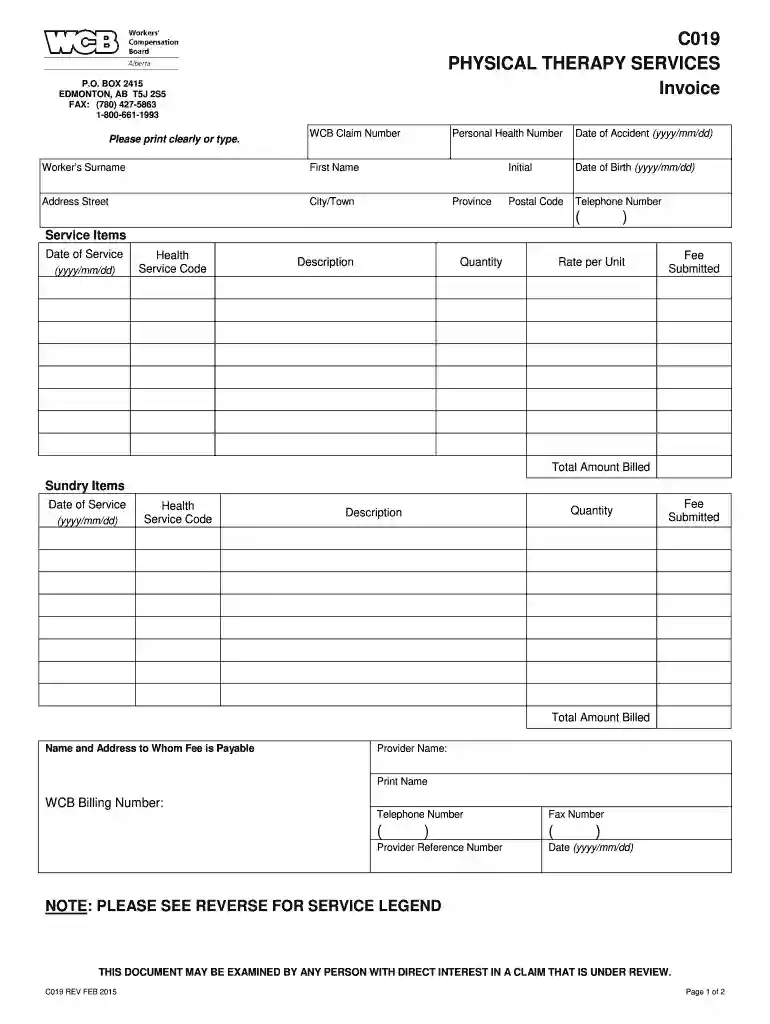
The physiotherapy bill format serves as a standardized document used primarily for billing clients and insurers for physiotherapy services rendered. This document outlines crucial patient information, services provided, and associated costs. Its primary purpose is to ensure transparency in financial transactions and facilitate accurate insurance claims processing.
- Components of the Bill:
- Patient details: Name, address, contact information
- Provider information: Clinic name, address, licensing details
- Service descriptions: Specific physiotherapy treatments administered and their applicable codes
- Fee structure: Costs associated with each service, including potential discounts or adjustments
- Payment terms: Information on accepted payment methods and due dates
The use of a structured physiotherapy bill format ensures that providers adhere to industry standards while minimizing discrepancies that can arise during billing and claims submissions.
How to Use the Physiotherapy Bill Format Effectively
Using a physiotherapy bill format effectively involves several steps to ensure that all necessary information is accurately captured. Familiarization with the format is essential for both providers and their administrative staff.
- Document Preparation: Select the appropriate format, such as a Word or PDF version, based on your clinic's needs. Ensure the template is customizable to incorporate specific patient and treatment data.
- Completing Patient Information: Accurately input the patient’s full name, date of birth, address, and contact information. This data is essential for identification and proper insurance claims processing.
- Detailing the Services Provided: Include a description of each physiotherapy service, paired with the relevant health service code. For instance, labeling a session as “Therapeutic Exercise” with corresponding CPT codes helps in clarity.
- Outlining Fees and Costs: Clearly state the fee for each service rendered, along with any total charges applicable. Including ancillary costs, such as equipment rental, ensures comprehensive billing.
- Reviewing and Sending the Bill: Double-check all entries for accuracy before issuing the bill to the patient or insurance company. Errors can lead to delayed payments or disputes.
Considerations for Different Scenarios
- Insurance Claims: When submitting a bill to insurance, ensure all required codes and information adhere to the insurer's requirements.
- Self-Pay Patients: Consider providing alternative payment options or discounts for self-pay patients to improve collections.
Obtaining the Physiotherapy Bill Format
Obtaining a physiotherapy bill format can be achieved through various sources, ensuring compliance with local rules and regulations. Different templates may be available, depending on specific practice needs.
- Clinic Software: Many practice management software systems offer integrated billing modules that include customizable physiotherapy bill formats.
- Professional Associations: Organizations such as the American Physical Therapy Association may provide templates or resources for their members.
- Online Resources: Websites focused on healthcare documentation, including templates that can be downloaded and modified to fit particular clinic specifications.
It is beneficial to evaluate multiple sources to find a format that aligns with best practices and the specific requirements of your practice.
Steps to Complete the Physiotherapy Bill Format
Completing a physiotherapy bill requires meticulous attention to detail to ensure accurate information is conveyed. This process can be broken down into manageable steps.
- Select the Template: Choose a digital format that aligns with your clinic's preferences, such as a Word document or PDF.
- Input Patient Information: Enter the necessary patient demographics. Accuracy at this stage is pivotal to avoid billing errors.
- List Services Provided: Document all treatments along with the corresponding billing codes. Use common codes for clarity, such as:
- 97110 for therapeutic exercise
- 97012 for mechanical traction
- Calculate Total Charges: Sum all service fees and include any applicable taxes. Ensure clarity in the total amount due.
- Finalize the Document: Review all entries for accuracy, ensuring that the bill is free of discrepancies before sending it to the patient or insurance provider.
This structured approach not only simplifies the billing process but also fosters a professional atmosphere that enhances client trust.
Key Elements of the Physiotherapy Bill Format
Understanding the key elements encapsulated within a physiotherapy bill format is fundamental for ensuring compliance and accuracy in billing practices. These elements include:
- Clarity of Service Descriptions: Each service must be clearly defined, utilizing consistent terminology and coding.
- Provider License Information: Including the clinician's license number offers transparency and reinforces the legitimacy of services billed.
- Payment Information: Details regarding accepted payment methods, due dates, and any relevant policies should be stated prominently to avoid confusion.
- Cancellation and Refund Policies: Clear communication of policies related to cancellations and refunds can prevent disputes and ensure patient satisfaction.
- Contact Information: Easy access to the provider’s contact details allows patients to address any questions or concerns regarding their invoices promptly.
By concentrating on these core elements, healthcare providers can enhance their billing processes and maintain positive relationships with clients.
Legal Use of the Physiotherapy Bill Format
When utilizing a physiotherapy bill format, it is vital to adhere to applicable legal frameworks to protect both the provider and the patient. Understanding these regulations ensures that billing practices remain compliant with state and federal laws.
- HIPAA Compliance: Ensure that patient information is handled in accordance with HIPAA guidelines by protecting sensitive data.
- State Regulations: Familiarize yourself with specific state laws governing billing practices, including any mandates regarding transparency or required disclosures.
- Insurance Guidelines: Understand the requirements laid out by insurance providers, as they may have specific formats or information needed for claims.
- Record Retention Policies: Many jurisdictions require that billing records be retained for a specified duration. Familiarize yourself with these timelines to maintain compliance.
Abiding by legal standards not only supports ethical operational practices but can also prevent potential legal repercussions associated with improper billing.