







Definition & Meaning
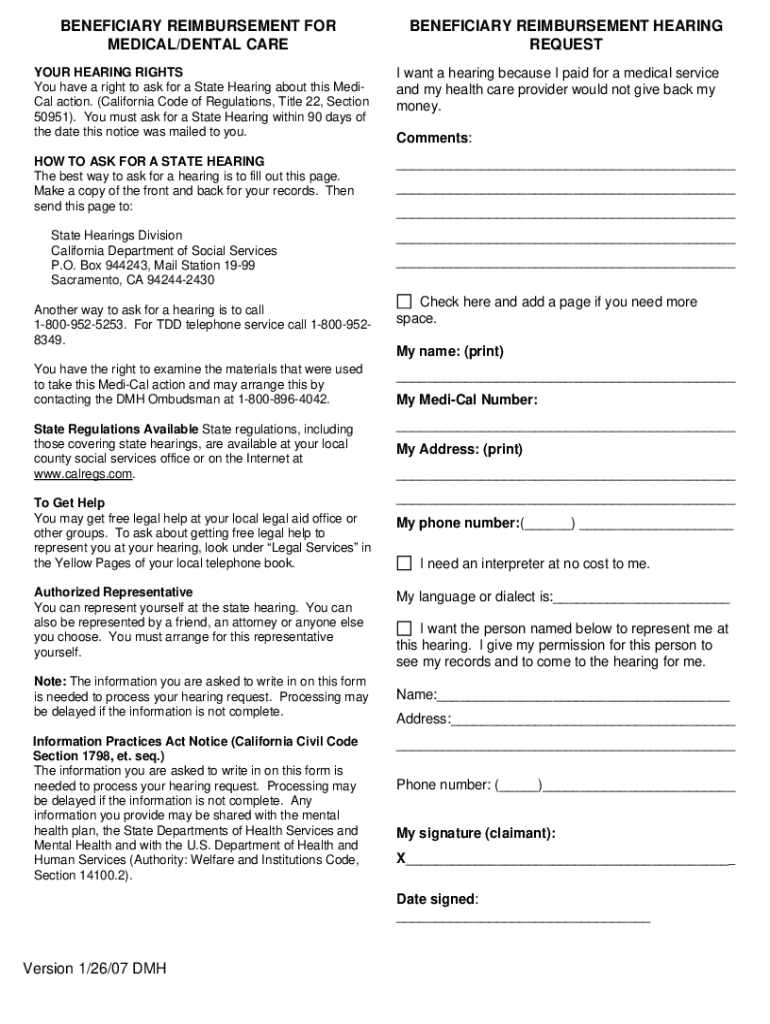
The "letter to beneficiary notification" serves as an official document to inform a beneficiary about matters related to an entitlement, such as an inheritance, insurance payout, or government assistance claim. Typically, this notification provides clarity on the status of the beneficiary's claim or entitlement, outlining any actions that have been taken and what may be required from the beneficiary to finalize the process. Such letters are crucial in maintaining transparency and ensuring that beneficiaries are adequately informed about their benefits and any obligations they may need to fulfill. For instance, in the context of a claim with Medi-Cal, a letter would detail the resolution of claims and subsequent steps.
How to Use the Letter to Beneficiary Notification
Utilizing a letter to beneficiary notification effectively requires understanding its purpose and contents. The recipient should carefully read the notification, ensuring they comprehend the information provided. This document often outlines specific details such as the status of a claim, the value of benefits allocated, and any outstanding actions required. If certain actions are needed, such as signing documents or providing additional information, it is crucial to follow the instructions precisely to avoid delays. Additionally, beneficiaries should verify if the letter includes options to contest or discuss the decision, providing them with a proper avenue to address disputes or seek clarifications.
Steps to Complete the Letter to Beneficiary Notification
- Review the Content: Begin by thoroughly reading the letter to understand the information presented.
- Verify Personal Information: Ensure that all personal details, such as your name and contact information, are accurate.
- Understand Outstanding Requirements: Identify any actions or documents you need to provide to proceed with the process.
- Follow Any Instructions for Dispute: If you disagree with the contents, follow any outlined procedures to file a complaint or dispute.
- Document Submission: If additional materials are needed, submit them through the specified method, which might be online, by mail, or in person.
- Keep a Copy: Retain a copy of the completed letter and any related correspondence for your records.
Key Elements of the Letter to Beneficiary Notification
- Title and Purpose: Clearly stated at the top of the document to inform the recipient of the nature of the notification.
- Recipient Information: Details about the beneficiary, ensuring accurate identification.
- Notification Body: Contains specific information regarding the status of the beneficiary's claim or entitlement.
- Required Actions: Explicit instructions for the recipient if further action is necessary.
- Contact Information: Details on how to reach the entity issuing the notification if clarification is needed.
- Dispute Process: Instructions for how to contest the decision, if applicable.
Legal Use of the Letter to Beneficiary Notification
The letter to beneficiary notification holds legal significance, as it formalizes communication regarding a beneficiary's entitlements. This document may be used in legal proceedings to demonstrate that proper notification was given, especially if there is a dispute or claim of non-receipt. It is important for both issuers and recipients to ensure that all communications are clear, accurate, and compliant with relevant laws and regulations, such as those pertaining to privacy and fair practice.
Important Terms Related to Letter to Beneficiary Notification
- Beneficiary: The individual or entity entitled to receive benefits or assets under a legal, financial, or administrative context.
- Entitlement: The actual benefits or claims that a beneficiary is eligible to receive.
- Claim Status: An update regarding the processing phase of the beneficiary’s claim.
- Dispute Resolution: Procedures available to contest or discuss the contents of the notification if there are disagreements.
State-Specific Rules for the Letter to Beneficiary Notification
Different states in the United States may have varying regulations and requirements concerning beneficiary notifications, particularly regarding deadlines, legal verbiage, and dispute processes. For instance, certain tax-related beneficiary notifications must adhere to state-specific filing deadlines and dispute procedures. Beneficiaries should confirm any state-specific details included in the notification and comply with those requirements to ensure their claim or entitlement is processed correctly.
Examples of Using the Letter to Beneficiary Notification
The practical use of a letter to beneficiary notification can vary. In estate planning, such letters inform beneficiaries of their inheritance and the process for claiming it. In insurance scenarios, the notification may detail the benefits distributed and any further actions needed. A government benefits context might involve informing a recipient about the approval or denial of claims like medical reimbursements or social security benefits.
Form Submission Methods (Online / Mail / In-Person)
Beneficiary notifications often require a response or action from the recipient, and knowing the methods for submission of forms or additional information requested is key. Common methods include:
- Online Portals: Secure platforms for uploading documents and completing required forms.
- Mail: Sending required documents to a specified address, employing certified mail for important items.
- In-Person Visits: Delivering documents to a designated office, useful for assured receipt and immediate feedback.
Understanding these methods ensures timely and proper handling of beneficiary notifications and any related actions.
Who Typically Uses the Letter to Beneficiary Notification
The letter to beneficiary notification is used by various entities, including:
- Government Agencies: To communicate with recipients about benefits or claims relating to public assistance programs.
- Insurance Companies: To inform policyholders or their heirs about payout distributions.
- Financial Institutions: In managing estates or trusts, notifying beneficiaries about their entitlements.
- Legal Firms: When handling estate planning or legal settlements, ensuring beneficiaries are aware of their rights and obligations.






