



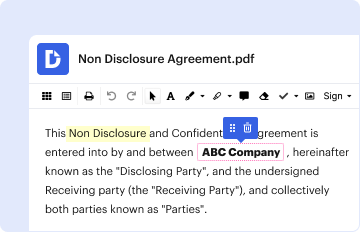
01. Edit your form 3520 example online
Type text, add images, blackout confidential details, add comments, highlights and more.

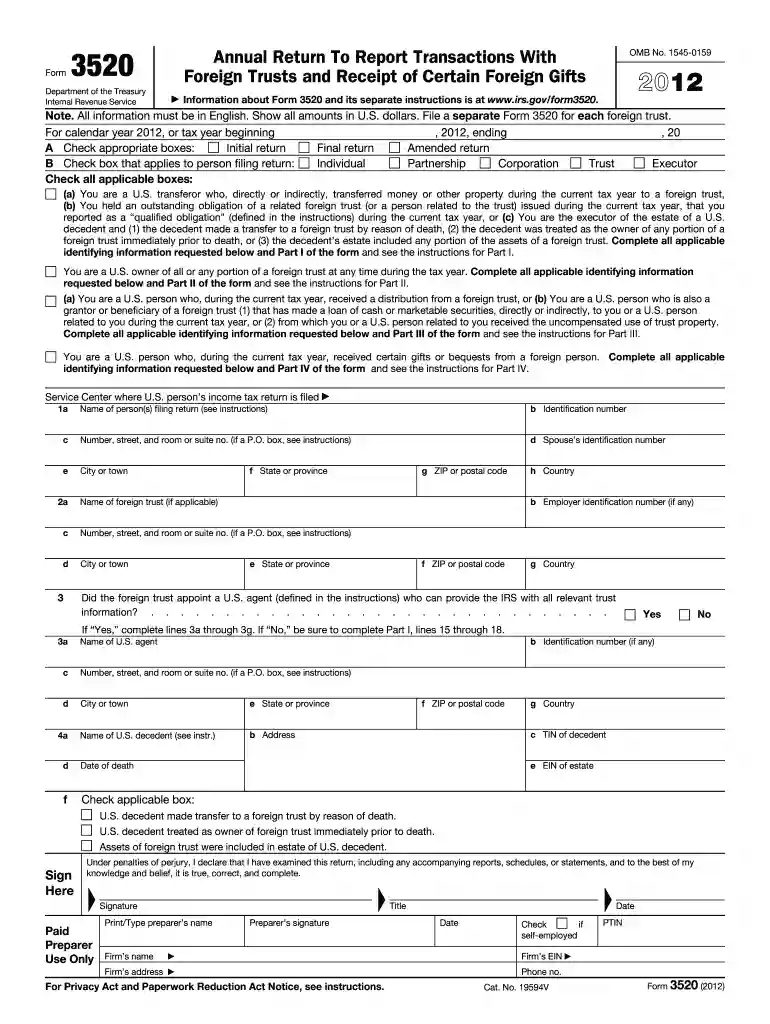
Type text, add images, blackout confidential details, add comments, highlights and more.
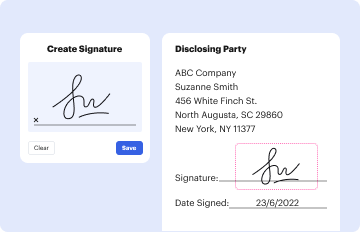
Draw your signature, type it, upload its image, or use your mobile device as a signature pad.

Send gift from foreign person via email, link, or fax. You can also download it, export it or print it out.
Understanding the Gifts from Foreign Person document as required by the IRS involves grasping its central purpose. This form, often tied to U.S. tax regulations, is a pivotal tool designed to track gifts received from non-U.S. persons and entities. It assists the Internal Revenue Service in monitoring substantial international financial transfers to ensure compliance with tax obligations. By requiring disclosure of these gifts, the IRS seeks to prevent tax evasion and maintain transparency in cross-border financial activities.
The IRS provides specific guidelines for completing the Gifts from Foreign Person form. These guidelines dictate the conditions under which a gift must be reported, such as the monetary thresholds that trigger the reporting requirement. For cash gifts, the threshold may be as low as $100,000 when received from a foreign individual or estate. This threshold reflects the IRS's intent to capture significant financial gifts that might otherwise go unreported. The IRS also outlines penalties for failing to comply with these reporting requirements, emphasizing the importance of timely and accurate submissions.
Failing to report gifts from foreign individuals can result in significant penalties imposed by the IRS. These penalties can be a percentage of the unreported gift's value, potentially reaching 25% in severe cases. The enforcement measures underscore the necessity of adhering to IRS reporting schedules and requirements. Misreporting or late submissions can also trigger additional fees, further emphasizing the importance of comprehensive compliance.
The form encompasses several critical sections:
The deadline for filing the Gifts from Foreign Person form aligns with the taxpayer's annual tax return deadline, typically April 15 of the following year. Extensions can be requested, but late submissions without prior approval can incur penalties. Marking these dates on a calendar and setting reminders can help prevent inadvertent period lapses.
Different taxpayers, including those who are self-employed, expatriates, or retirees, might encounter distinct considerations when dealing with foreign gifts. For self-employed individuals receiving gifts, it may affect business finances or asset declarations. Retirees might receive foreign gifts as part of estate planning transactions. Understanding how receipt of a foreign gift impacts one's unique tax situation is vital for accurate financial planning and compliance.


Taxpayers may choose between filing the form electronically or via traditional mail. In many cases, electronic submission offers a faster and arguably more secure method of delivering sensitive information. However, some prefer the tangible comfort of a mailed paper trail. Each method requires specific preparation steps, such as ensuring electronic forms are complete and saved correctly, or that paper versions are mailed well ahead of the filing deadline.
We've got more versions of the form 3520 example form. Select the right form 3520 example version from the list and start editing it straight away!
| Versions | Form popularity | Fillable & printable |
|---|---|---|
| 2023 | 4.9 Satisfied (32 Votes) | |
| 2022 | 4.5 Satisfied (49 Votes) | |
| 2021 | 4.8 Satisfied (105 Votes) | |
| 2020 | 4.3 Satisfied (48 Votes) | |
| 2019 | 4.3 Satisfied (101 Votes) | |
| 2018 | 4.3 Satisfied (103 Votes) | |
| 2017 | 4.2 Satisfied (63 Votes) | |
| 2016 | 4.4 Satisfied (595 Votes) | |
| 2015 | 4.1 Satisfied (31 Votes) | |
| 2014 | 4 Satisfied (28 Votes) | |
| 2013 | 4 Satisfied (27 Votes) | |
| 2012 | 3.8 Satisfied (41 Votes) | |
| 2010 | 4 Satisfied (39 Votes) |
Based on eSignature laws, forms signed electronically have the same validity as traditionally approved ones. You can electronically sign almost any business and personal paperwork. Four types of paperwork still require handwritten signatures only - wills and testamentary trusts, court orders and other court papers, state statutes regulating divorce, adoption, or other family law, and notice of cancellation of utility services. If you follow the regulations and use a reliable and compliant software solution, like DocHub, you can eSign your Gifts from Foreign PersonInternal Revenue Service - IRS.gov without printing it.
With a swift editing platform like DocHub, you do not require anything but a browser and internet connection to edit your Gifts from Foreign PersonInternal Revenue Service - IRS.gov on the internet easily. Upload your file or find the appropriate form in DocHub’s catalog, open our editor with one click, and finish it electronically. To edit your forms anytime, register a free account with DocHub.
At DocHub, your data security is our priority. We follow HIPAA, SOC2, GDPR, and other standards, so you can work on your documents with confidence.
You should file Form 2350 if all three of the following apply. 1. You are a U.S. citizen or resident alien. 2. You expect to qualify for the foreign earnedRead more
The purported gift or bequest must be included in the United States donees gross income as if it were a distribution from the foreign corporation.Read more
If you are a U.S. person who received foreign gifts of money or other property, you may need to report these gifts on Form 3520, Annual Return to Report


