




Here's how it works
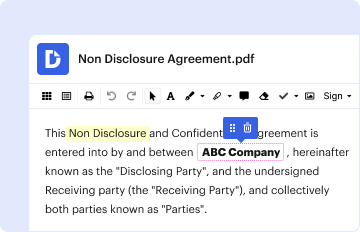
01. Edit your indiana form 104 online
Type text, add images, blackout confidential details, add comments, highlights and more.
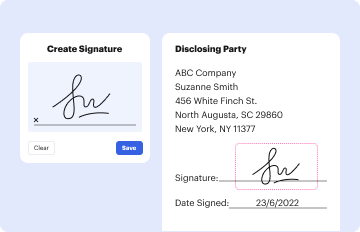
02. Sign it in a few clicks
Draw your signature, type it, upload its image, or use your mobile device as a signature pad.
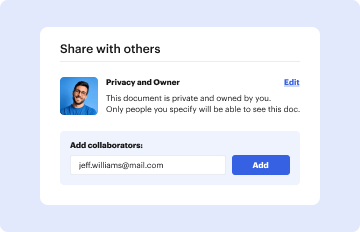
03. Share your form with others
Send it via email, link, or fax. You can also download it, export it or print it out.
How to use or fill out Business Tangible Personal Property Return (Form 104) with our platform

- Click ‘Get Form’ to open it in the editor.
- Begin by entering your 'Name of Taxpayer' and 'Name Under Which Business Is Conducted'. This information is crucial for identifying your business.
- Fill in the 'DLGF Taxing District Number', 'Nature of Business', and the relevant county and township details. Ensure accuracy to avoid complications.
- Provide the 'Address Where Property Is Located' along with the city, state, and ZIP code. If different, include the mailing address for assessment notices.
- Indicate whether you are declaring an exemption by checking the appropriate box. This is important if claiming exemptions on other forms.
- Complete Schedule A by reporting all personal property values accurately. Round numbers to the nearest ten dollars as instructed.
- Sign and date the form at the bottom, ensuring that all required fields are filled out completely before submission.
Start using our platform today to streamline your form completion process for free!
Fill out Business Tangible Personal Property Return (Form 104) online
It's free
It's free
See more Business Tangible Personal Property Return (Form 104) versions
We've got more versions of the Business Tangible Personal Property Return (Form 104) form. Select the right Business Tangible Personal Property Return (Form 104) version from the list and start editing it straight away!
Got questions?
We have answers to the most popular questions from our customers. If you can't find an answer to your question, please contact us.
Contact us
What is a business tangible personal property return?
Tangible personal property is anything your business owns that is movable. This property can include office furniture and supplies, machinery, tools, and vehicles. Like real property, tangible personal property tax is assessed based on the presumed value of the assets.
What are tangible items of personal property?
Tangible personal property is mainly a tax term which is used to describe personal property that can be felt or touched, and can be physically relocated. For example: cars, furniture, jewelry, household goods and appliances, business equipment.
What is classified as tangible personal property?
6016. Tangible personal property. Tangible personal property means personal property which may be seen, weighed, measured, felt, or touched, or which is in any other manner perceptible to the senses.
What is an example of a tangible property?
Tangible personal property exists physically (i.e., you can touch it) and can be used or consumed. Clothing, vehicles, jewelry, and business equipment are examples of tangible personal property.
What is an example of something that is not considered tangible personal property?
Tangible personal property includes equipment, supplies, and any other property (including information technology systems) other than that is defined as an intangible property. It does not include copyrights, patents, and other intellectual property that is generated or developed (rather than acquired) under an award.
Security and compliance
At DocHub, your data security is our priority. We follow HIPAA, SOC2, GDPR, and other standards, so you can work on your documents with confidence.
Learn more


People also ask
How to estimate the value of tangible personal property?
The cost approach is typically based on replacement cost less depreciation for physical, functional and external. The income approach is generally related to a multiple of annual gross or net income to provide an indication of value.
What does the IRS consider tangible personal property?
Tangible personal property, or TPP as it is sometimes called, includes items such as furniture, machinery, cell phones, computers, and collectibles. Intangibles, on the other hand, consist of things that cannot be seen or touched like patents and copyrights.
What is tangible personal property (IRS)?
This property can include office furniture and supplies, machinery, tools, and vehicles. Like real property, tangible personal property tax is assessed based on the presumed value of the assets. However, finding and evaluating those values can take time and effort.