Overview of the SA472 Centrelink Form
The SA472 Centrelink form, commonly known as the Consent to Disclose Medical Information form, plays a crucial role in the process of applying for Disability Support Pension (DSP) in Australia. This form authorizes health professionals to share relevant medical details with Services Australia or Centrelink, which is vital for assessing an individual's eligibility for DSP. Understanding the SA472 form's purpose, structure, and usage is essential for both applicants and healthcare providers involved in the process.
Purpose of the SA472 Form
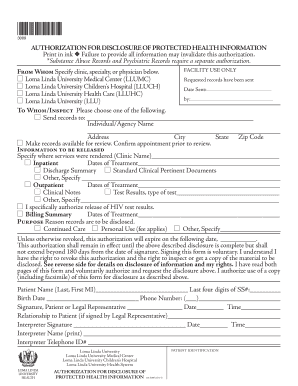
The primary objective of the SA472 form is to enable individuals to give consent for their medical information to be disclosed. This information is often necessary for Centrelink to determine eligibility for various benefits, including the Disability Support Pension. Key aspects of its purpose include:
- Privacy Protection: The form ensures that medical information is handled confidentially and is only shared with the relevant authorities for specific assessment purposes.
- Streamlined Process: By using the SA472, applicants can facilitate the transfer of their medical data, reducing delays in the processing of their disability claims.
- Legal Compliance: It adheres to privacy regulations, ensuring that the sharing of medical information is done transparently and with proper authorization.
How to Complete the SA472 Form
Filling out the SA472 form requires careful attention to detail. Following these steps can help ensure accurate completion:
- Gather Necessary Information: Before filling out the form, individuals should collect all required medical documentation and personal data, including their Medicare number and details of their healthcare providers.
- Fill in Personal Details: The form will require basic personal information such as name, address, and contact details.
- Specify Data to be Disclosed: Clearly indicate what medical information is being authorized for release. This could include treatment records, diagnoses, and details about disabilities.
- Healthcare Provider Information: Fill in details about the healthcare professionals who will be disclosing the information and the associated providers or practices.
- Sign and Date: Ensure the form is signed and dated to validate the consent. Without a signature, the form cannot be processed.
Important Components of the SA472 Form
Understanding the components of the SA472 form is vital for proper completion and compliance. Key elements include:
- Recipient of Information: The form specifies that the disclosed information will be sent to Centrelink for the purpose of assessing DSP eligibility.
- Mandatory Fields: Certain fields must be filled out, including personal information and the specifics of what medical data is disclosed.
- Consent Confirmation: There are sections that confirm consent duration and can stipulate how recipients will handle disclosed records.
Signature and Authorization
The signature is one of the most critical components of the SA472 form. It serves as a formal acknowledgment of consent. Here are some key points to consider:
- Legally Binding: Signing the form indicates a legal agreement between the individual and the parties involved in the disclosure process.
- Withdrawal of Consent: The individual retains the right to withdraw consent at any time. However, it is essential to communicate this clearly with Centrelink and the healthcare provider to prevent unauthorized disclosures post-withdrawal.
- Witness Requirement: In some cases, a witness may be required. This varies based on specific regulations or institutional protocols.
Best Practices for Submitting the SA472 Form
After completing the SA472 form, following best practices for submission enhances the likelihood of a seamless process. Consider these practices:
- Check for Completeness: Ensure all sections are filled in appropriately, as incomplete forms may lead to processing delays or rejections.
- Submit Timely: Submit the form as soon as it is completed, especially if it is part of a larger application for DSP. Delays in submission can affect benefit timing.
- Maintain Copies: Always keep a copy of the form for personal records. This helps track what information was disclosed and confirms consent was given.
Real-Life Scenarios for Using the SA472 Form
Consider these examples of how the SA472 form may be utilized:
- Individual with Chronic Illness: A person suffering from a chronic condition may use this form to allow their specialist to provide necessary medical reports to Centrelink, crucial for their DSP eligibility.
- Recent Disability Diagnosis: An individual who has recently received a disability diagnosis may need to submit the SA472 form promptly to ensure their application for support benefits is processed without unnecessary delays.
Conclusion on the Importance of the SA472 Form
The SA472 Centrelink form is integral for individuals seeking disability support in Australia. Understanding its purpose, completion steps, and key components can significantly ease the application process for those in need of assistance. By effectively using this form, patients can ensure their medical information is shared responsibly and legally, facilitating a smoother path to receiving the assistance they require.