



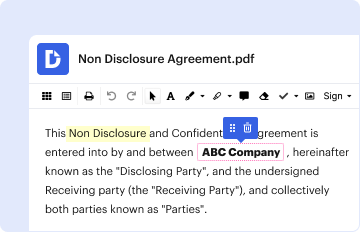
01. Edit your form 1120 2020 online
Type text, add images, blackout confidential details, add comments, highlights and more.

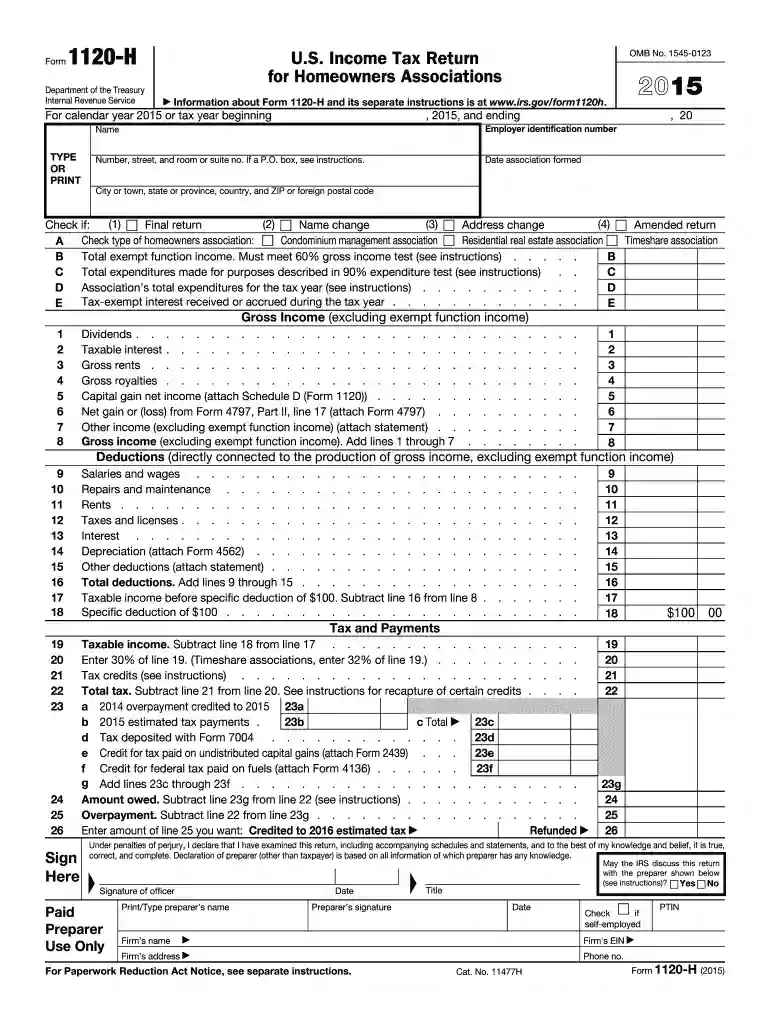
Type text, add images, blackout confidential details, add comments, highlights and more.
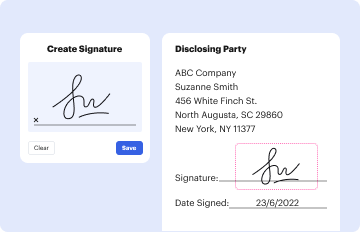
Draw your signature, type it, upload its image, or use your mobile device as a signature pad.

Send tax form 1120 via email, link, or fax. You can also download it, export it or print it out.
The 2015 IRS Form 1120, known as the U.S. Corporation Income Tax Return, is used by corporations to report their income, gains, losses, deductions, and credits. It is essential for calculating their income tax liability. This form applies to all domestic corporations, including those with international activities, and is used to determine the amount owed to the federal government. Specifically, it includes sections for reporting dividends, dealing with capital gains, and outlining various deductions and credits that may affect a corporation's taxable income.
To obtain the 2015 IRS Form 1120, you have several options:
IRS Website: You can download it directly from the IRS official website. Forms are generally available in PDF format for easy access and printing.
Tax Software: Many tax preparation software packages include prior year forms for convenience.
Local IRS Office: Visit an IRS office to obtain a physical copy if preferred or required.
Ensure you select the correct version for the appropriate tax year to avoid errors in reporting.
Filing the form accurately involves several critical steps:
Gather Financial Documents: Collect all necessary financial statements, including income, expenses, and any relevant transactions.
Calculate Income: Use Sections I and II to report gross income, subtracting any allowable deductions for cost of goods sold.
Deductions and Credits: Identify applicable deductions in Section III, such as business expenses, and claim any applicable credits that reduce tax liability.
Complete Schedule C: For specialized income sources, such as dividends or partnerships.
Verify Information: Double-check entries for accuracy to avoid compliance issues or delays.
Submit Filing: Submit by the April 15th deadline, using either electronic submission or mailing the printed form to the IRS.
The 2015 IRS Form 1120 is predominantly used by:
C Corporations: The primary filers of this form, required to fulfill their annual federal tax obligations.
Multi-National Corporations: With operations that require reporting for domestic and international income.
Entities with Tax Liabilities: Specifically those unable to file forms like 1120-S for S corporations.
Understanding the form's intended audience ensures accurate reporting and compliance.


Annual Filing Date: The standard deadline is March 15th following the tax year. If that date falls on a weekend or holiday, the deadline extends to the next business day.
Extension Options: Corporations can file Form 7004 for a six-month extension, pushing the deadline to September 15th.
Penalties: Late filing incurs penalties. Both filing and payment must be timely to avoid additional charges.
Awareness of these dates helps in strategic tax planning and avoiding penalties.
Critical sections of the form include:
Income and Deductions: Net sales, cost of goods sold, various deductions.
Credits: Applicable business credits that offset tax liabilities.
Tax and Payments: Calculation of total taxes and prepayments like estimated tax payments.
Schedule K: Information on executive officers and significant financial activities.
Complete each section with precision to ensure compliance.
Compliance with legal requirements involves:
Accurate Reporting: Ensure all figures reflect actual business activities to avoid audits or penalties.
Documentation: Maintain all supporting documents for each entry on the form for at least six years.
Secure Submission: If using the electronic file option, ensure it is through IRS-approved software to maintain data integrity.
Adhering to these best practices mitigates risks associated with filing inaccuracies.
Failure to comply with IRS requirements can result in numerous penalties:
Late Filing: Five percent of unpaid taxes per month, up to a maximum of 25 percent.
Late Payment: Additional interest and penalties for unpaid taxes post-deadline.
Underreporting: Significant penalties may apply if income is substantially understated.
Understanding these penalties emphasizes the importance of timely and accurate submissions.
We've got more versions of the form 1120 2020 form. Select the right form 1120 2020 version from the list and start editing it straight away!
| Versions | Form popularity | Fillable & printable |
|---|---|---|
| 2025 | 4.2 Satisfied (20 Votes) | |
| 2024 | 4.1 Satisfied (56 Votes) | |
| 2023 | 4.3 Satisfied (32 Votes) | |
| 2022 | 4.4 Satisfied (40 Votes) | |
| 2021 | 4.9 Satisfied (50 Votes) | |
| 2020 | 4.4 Satisfied (51 Votes) | |
| 2019 | 4.1 Satisfied (66 Votes) | |
| 2018 | 4.4 Satisfied (172 Votes) | |
| 2017 | 3.9 Satisfied (36 Votes) | |
| 2016 | 4.4 Satisfied (207 Votes) | |
| 2015 | 4.4 Satisfied (293 Votes) | |
| 2014 | 4.2 Satisfied (71 Votes) | |
| 2013 | 4 Satisfied (34 Votes) | |
| 2012 | 4 Satisfied (46 Votes) | |
| 2011 | 4 Satisfied (39 Votes) |
At DocHub, your data security is our priority. We follow HIPAA, SOC2, GDPR, and other standards, so you can work on your documents with confidence.


Jan 19, 2017 This publication discusses common business expenses and explains what is and is not de ductible. The general rules for deducting busi.Read more
For Paperwork Reduction Act Notice, see the Instructions for Form 1120. 521052. 01-04-16. 91. 11100410 146892 635046. Schedule D (Form 1120) (2015). 2015.05060
Jan 21, 2016 Use Form 1120, U.S. Corporation Income. Tax Return, to report the income, gains, losses, deductions, credits, and to figure the income taxRead more


