




Here's how it works
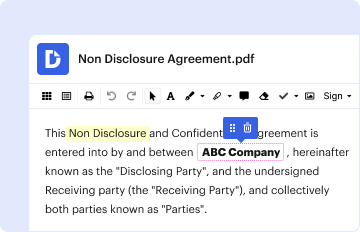
01. Edit your form online
Type text, add images, blackout confidential details, add comments, highlights and more.
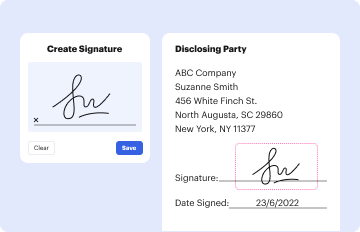
02. Sign it in a few clicks
Draw your signature, type it, upload its image, or use your mobile device as a signature pad.
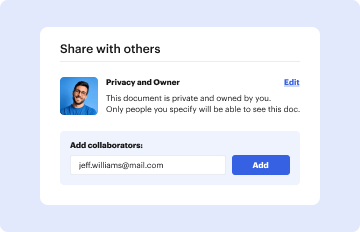
03. Share your form with others
Send it via email, link, or fax. You can also download it, export it or print it out.
How to use or fill out Onsite Sewage Disposal Systems Program with our platform

- Click ‘Get Form’ to open the Onsite Sewage Disposal Systems Program in the editor.
- Begin by entering your Social Security number and any alternate certificate numbers in the designated fields.
- Select the appropriate certification type from the options provided, such as 'Install Onsite Sewage Systems'.
- Fill in your name, address, city, state, and zip code accurately to ensure proper identification.
- Provide your telephone number and email address for communication purposes.
- Complete the employer's information section with their name, address, city, state, zip code, and contact details.
- Indicate the type of certification you are applying for (Provisional, Full, Advanced, Master) by checking the appropriate box.
- Finally, sign and date the application to certify that all information is correct and in compliance with regulations.
Start using our platform today to easily complete your Onsite Sewage Disposal Systems Program application for free!
Fill out Onsite Sewage Disposal Systems Program online
It's free
It's free
See more Onsite Sewage Disposal Systems Program versions
We've got more versions of the Onsite Sewage Disposal Systems Program form. Select the right Onsite Sewage Disposal Systems Program version from the list and start editing it straight away!
Got questions?
We have answers to the most popular questions from our customers. If you can't find an answer to your question, please contact us.
Contact us
What is the difference between a septic system and a sewage system?
Septic treats your wastewater on site, and you are responsible for the cost to and maintain the system. A sewer directs your wastewater to a centralized treatment plant operated by your local government and funded by fees and taxes. New to the world of septic systems?
What does sewage treatment include?
Different types of sewage treatment may utilize some or all of the process steps listed below. Preliminary treatment. Screening. Grit removal. Flow equalization. and grease removal. Primary treatment. Secondary treatment. Tertiary treatment.
What are sewage treatment programs?
Sewage treatment is a type of wastewater treatment which aims to remove contaminants from sewage to produce an effluent that is suitable to discharge to the surrounding environment or an intended reuse application, thereby preventing water pollution from raw sewage discharges.
How much does an Awts system cost?
Aerated Wastewater Treatment Systems (AWTS): The cost for AWTS installation can range from $8,000 to $15,000 or more, depending on the systems size, the level of treatment required, and site-specific requirements.
What does sewer treatment do?
The basic function of wastewater treatment is to speed up the natural processes by which water is purified. There are two basic stages in the treat- ment of wastes, primary and secondary, which are outlined here. In the primary stage, solids are allowed to settle and removed from wastewater.
Security and compliance
At DocHub, your data security is our priority. We follow HIPAA, SOC2, GDPR, and other standards, so you can work on your documents with confidence.
Learn more


People also ask
How clean is water after sewage treatment?
Once the water is separated out, 80% of the solids have been removed, and the wastewater is clean enough to be discharged to the ocean.
What are the 4 types of sewage treatment?
Majorly, four methods of sewage water treatment are followed physical, biological, chemical, and sludge water treatment. By following these methods, the wastewater is disinfected from all the sewage materials and converted into treated water that is safe for both human usage and the environment.