



01. Edit your withdrawal slip online
Type text, add images, blackout confidential details, add comments, highlights and more.

Type text, add images, blackout confidential details, add comments, highlights and more.

Draw your signature, type it, upload its image, or use your mobile device as a signature pad.

Send how to fill out a withdrawal slip via email, link, or fax. You can also download it, export it or print it out.
A withdrawal slip is a formal document used in banking that allows account holders to request the withdrawal of funds from their bank accounts. It is a crucial component in facilitating cash transactions at a bank counter or through ATM services. The slip typically requires essential information to ensure secure and accurate processing of the transaction.
The withdrawal slip meaning can involve different contexts, such as:
The generic format often includes the date, account number, account holder's name, and the total amount being withdrawn, along with any required signatures.
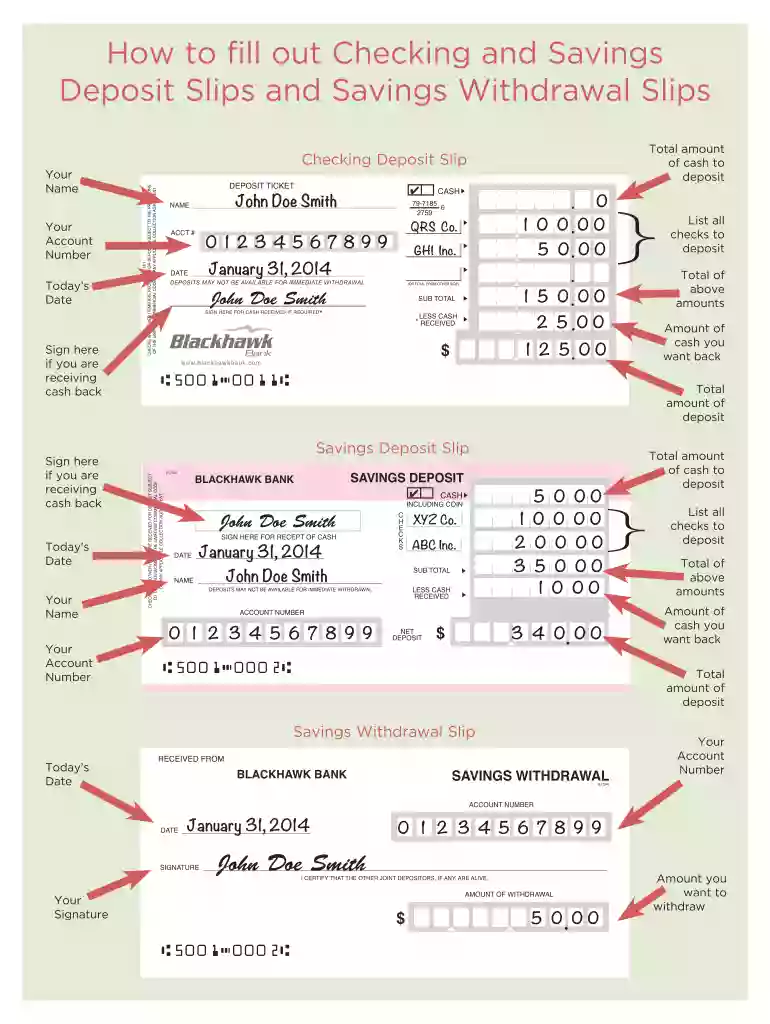
Understanding the key elements of a withdrawal slip example is crucial for accurately completing the document. Here are the primary components typically included:
An example withdrawal slip filled out would display these elements clearly, indicating the transaction details to be processed by the bank teller.
Filling out a withdrawal slip example involves several straightforward steps to ensure accuracy and compliance:
Being precise in the completion of these steps is essential to avoid delays and ensure the transaction is processed successfully.
The withdrawal slip example is intended for easy implementation in both personal and business contexts. Here’s how to use it effectively:
For Personal Use: Individuals can use the slip at bank branches to withdraw cash. Ensuring that all required fields are completed enables seamless processing of the transaction.
For Businesses: Companies can prepare withdrawal slips for operational expenses. This enables bookkeeping and cash flow management, and having a consistent format helps maintain records.
ATM Transactions: Some ATMs may require similar information to process a withdrawal, where the system closely resembles the manual withdrawal slip process.
Users should familiarize themselves with any specific instructions their bank may provide essential for using the withdrawal slip reliably.
Several scenarios highlight the use of a withdrawal slip example and its application in daily transactions:
Personal Cash Withdrawal: An individual goes to a bank branch and fills out a withdrawal slip to withdraw fifty dollars for personal expenses.
Business Operational Needs: A small business owner completes a withdrawal slip to take out two hundred dollars for office supplies, ensuring that proper records are maintained for accounting purposes.
Joint Accounts: In the case of joint accounts, both account holders may need to sign the withdrawal slip to authorize the transaction, showcasing the importance of communication in shared financial responsibilities.
Each example reiterates how withdrawal slips function in various settings, underscoring their importance in banking transactions.
Securing a withdrawal slip example can be done through the following methods:
Bank Branches: Most banks provide physical withdrawal slips that customers can fill out at the counter.
Bank Websites: Many banks offer downloadable templates of withdrawal slips on their official websites, allowing users to print and fill them out prior to visiting the bank.
Online Banking: Some banking platforms have electronic forms available to facilitate withdrawal requests digitally, enhancing convenience for account holders.
Understanding these avenues to obtain a withdrawal slip ensures individuals and businesses can efficiently manage their banking needs.
At DocHub, your data security is our priority. We follow HIPAA, SOC2, GDPR, and other standards, so you can work on your documents with confidence.
Citibank withdrawal form divided into 3 registers vertically with orange on white paper. Left register: Orange ground with white text. Printed vertically fromRead more
Jul 30, 2020 The closure of a factory in Europe and the withdrawal from low-profit bases are progressing as planned. We expect that this process should.Read more
Payments are to continue until the total amount of the court costs, fees and/or fines and/or restitution are paid, or the offender is released from confinement.Read more


