



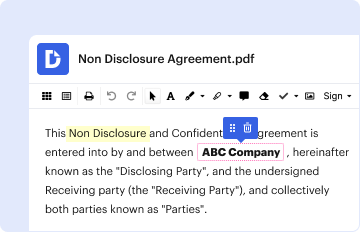
01. Edit your eji hunger relief assistance application form online
Type text, add images, blackout confidential details, add comments, highlights and more.

Type text, add images, blackout confidential details, add comments, highlights and more.
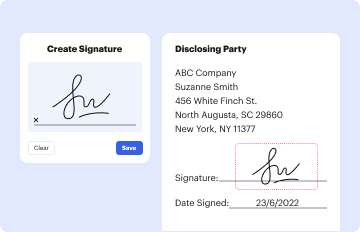
Draw your signature, type it, upload its image, or use your mobile device as a signature pad.
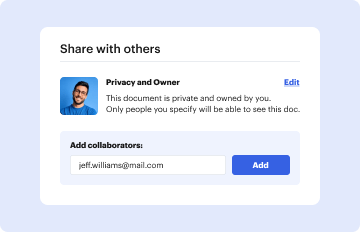
Send eji org food help application pdf free via email, link, or fax. You can also download it, export it or print it out.
The 2016 Form AL DHR-FSP-2116, commonly referred to as the Food Assistance Application, is issued by the Alabama Department of Human Resources. This form is fundamental for individuals and families seeking food assistance benefits in the state of Alabama. It encompasses essential information about eligibility requirements, application processes, and rights as an applicant.
To qualify for food assistance under the 2016 Form AL DHR-FSP-2116, applicants must meet specific eligibility criteria, which typically include the following:
These criteria ensure that assistance is directed to those in genuine need, thereby effectively addressing food insecurity in Alabama.


Applicants can submit the 2016 Form AL DHR-FSP-2116 through various means, ensuring flexibility and accessibility for all. The submission methods include:
Understanding these submission methods helps applicants choose the most convenient option for their circumstances.
The 2016 Form AL DHR-FSP-2116 is divided into several vital sections. Each plays a crucial role in gathering necessary information for the application. Key sections include:
Completing these sections accurately is crucial for the timely processing of applications.
The rights of applicants are critical provisions outlined within the 2016 Form AL DHR-FSP-2116. Key rights include:
Understanding these rights ensures that applicants are informed and able to advocate for themselves throughout the process.
The 2016 Form AL DHR-FSP-2116 also details the provisions for expedited services, crucial for those facing immediate food insecurity. Important points regarding expedited services include:
These provisions are designed to swiftly assist individuals facing urgent food needs.
The 2016 Form AL DHR-FSP-2116 underscores the severe consequences of providing false information. Key points about penalties include:
Understanding these penalties is essential for maintaining compliance and ensuring eligibility.
For applicants utilizing the 2016 Form AL DHR-FSP-2116, it is critical to recognize that the application is just the beginning of a process designed to assist those in need. Following submission, applicants should prepare for verification of their information and be ready to provide additional documentation if needed. Ensuring completeness and accuracy in the application helps facilitate a smoother review process, ultimately leading to timely assistance for food security.
We've got more versions of the eji hunger relief assistance application form form. Select the right eji hunger relief assistance application form version from the list and start editing it straight away!
Microsoft Word doesn’t have signing tools to create valid electronic signatures and enforceable documents. Fortunately, DocHub is an online eSignature-compliant editor that supports various file formats, including .doc files. Log in to your account and add the Word version of your eji hunger relief assistance application online alabama phone number from your device and cloud, or URL - our editor will automatically transform it into an editable PDF. Make all essential alterations in your form and click Sign to create your own legally-binding eSignature. There are four signing methods from which to choose.
You may find and modify your eji hunger relief assistance application form alabama online by using DocHub. Its straightforward yet feature-rich design enables you to start productive work right after you register your account. Create your profile and add your file, then our interface will guide you via our stress-free form completion experience.
At DocHub, your data security is our priority. We follow HIPAA, SOC2, GDPR, and other standards, so you can work on your documents with confidence.


