




Here's how it works
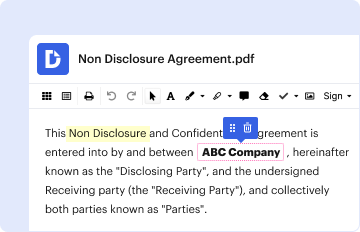
01. Edit your landlord verification online
Type text, add images, blackout confidential details, add comments, highlights and more.
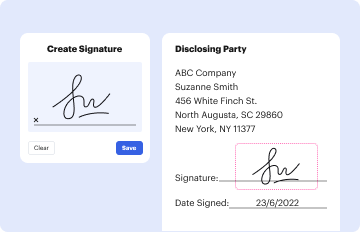
02. Sign it in a few clicks
Draw your signature, type it, upload its image, or use your mobile device as a signature pad.
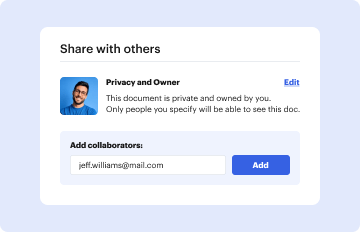
03. Share your form with others
Send it via email, link, or fax. You can also download it, export it or print it out.
How to use or fill out LANDLORD VERIFICATION FORM with our platform

- Click ‘Get Form’ to open the LANDLORD VERIFICATION FORM in the editor.
- Begin by entering the 'Case Name', 'Case ID Number', and 'Worker Number' at the top of the form. This information is crucial for identifying your case.
- Fill in the 'Current monthly rent' amount and the 'Date' when the tenant moved into the property. Ensure accuracy as this affects eligibility for assistance.
- Indicate whether any portion of the rent is paid by Section 8, HUD, or Housing Authority. If yes, specify how much.
- List all individuals living in the home along with their relationship to the tenant. This helps establish household composition.
- Answer questions regarding utility payments, including if utilities are included in rent and if separate payments are required.
- Finally, have the landlord sign and print their name, address, and contact number before submitting it back to the agency.
Start using our platform today to easily complete your LANDLORD VERIFICATION FORM online for free!
Fill out LANDLORD VERIFICATION FORM online
It's free
It's free
See more LANDLORD VERIFICATION FORM versions
We've got more versions of the LANDLORD VERIFICATION FORM form. Select the right LANDLORD VERIFICATION FORM version from the list and start editing it straight away!
| Versions | Form popularity | Fillable & printable |
|---|---|---|
| 2014 | 4.7 Satisfied (48 Votes) |
Got questions?
We have answers to the most popular questions from our customers. If you can't find an answer to your question, please contact us.
Contact us
What is the primary purpose of verification?
The primary purpose of verification is to establish the reliability of information, data, or systems, often through a structured set of procedures or tests.
What does it mean to be a verified landlord?
A verified landlord is someone who has confirmed their account through bank verification. Youll see a verified badge under a verified landlords profile picture, showing they are trustworthy.
What is a landlord verification form?
Landlords need to have a comprehensive rental verification form. It should include questions that offer insight into the applicants behavior as a tenant, their financial stability, and any potential red flags indicating problematic behavior.
Why is rental verification needed?
Rental verification is the process of verifying that a potential tenant has actually lived at the addresses they have provided on their rental application. Think of it as a background check for rental history.
Why do landlords use verification forms?
Landlords and property managers use verification forms to ensure theyre renting to responsible, reliable tenants who will pay on time and take good care of the property. For this reason, the verification process particularly focuses on discovering past issues like evictions, defaulted payments, or property damage.
Security and compliance
At DocHub, your data security is our priority. We follow HIPAA, SOC2, GDPR, and other standards, so you can work on your documents with confidence.
Learn more


People also ask
How to verify landlord ownership?
You can usually search by using the address and going through your local government office or online portals like tax assessor records, property deed databases, or local property databases. Start your search at: County tax assessors office: Most maintain searchable online records by property address.
How do landlords verify tenants?
Background checks are a central component of the screening process and should include a review of credit history, criminal record, financial stability, and references from current or past landlords. These checks are essential in reducing the risk of leasing to a problematic tenant and safeguarding the rental property.
What are the red flags in rental leases?
Poor Communication : - Inconsistent or vague answers to questions. - Lack of responsiveness to messages or emails. Negative Attitude : - Complaining about previous landlords or properties. Incomplete or Inaccurate Application : - Missing information or discrepancies in the application.