






Definition and Importance of Passengers Form
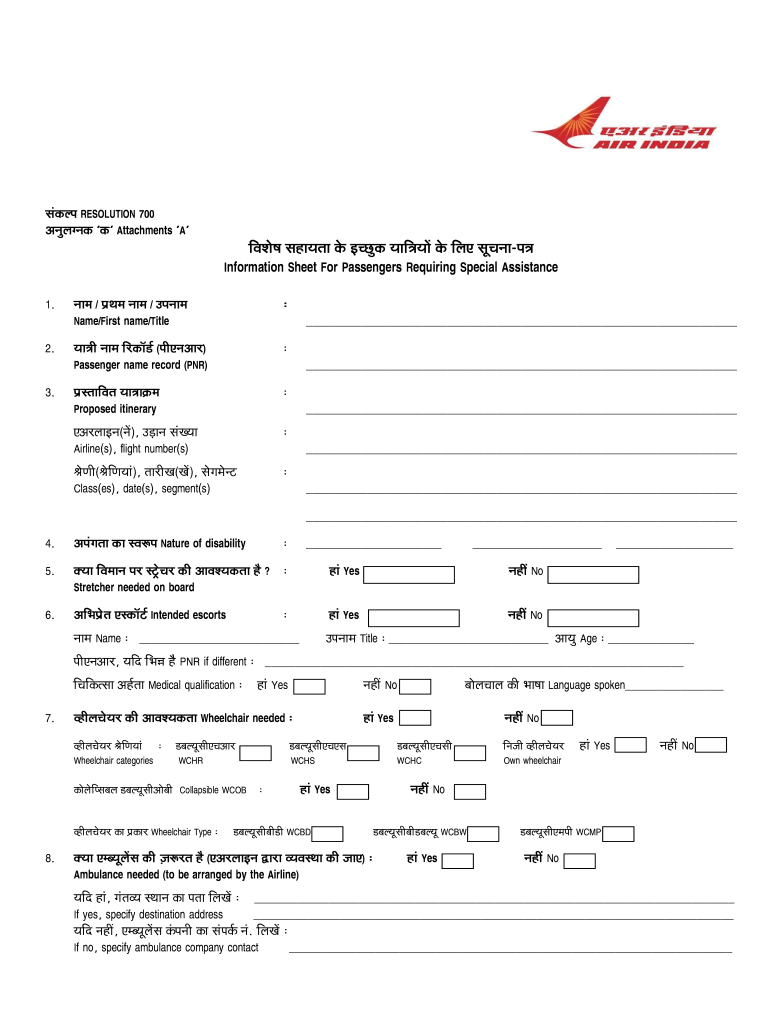
The passengers form is designed to collect essential information from individuals traveling by air, particularly those requiring special assistance or medical clearance. This form typically requires passengers to provide details about their medical condition, special needs, and any accommodations required during the flight.
Key Components of the Passengers Form
- Personal Information: Passengers must include their full name, contact information, and travel details.
- Nature of Disability: It is crucial for passengers to specify their disability or any medical conditions that may impact their travel.
- Special Arrangements: The form should clearly outline any special needs, such as wheelchair assistance, medical equipment, or dietary restrictions.
- Signature: To ensure consent and acknowledgment of the information provided, passengers must sign the form.
How to Use the Passengers Form Effectively
Utilizing the passengers form effectively involves understanding the information required and how to accurately complete it. Here's a step-by-step guide:
- Gather Required Documents: Collect any medical documents that support your need for special arrangements.
- Complete Personal Information: Fill in your name, contact details, and travel itinerary accurately.
- Specify Special Needs: Clearly outline any specific assistance or accommodations required.
- Submit the Form in Advance: Ensure that you submit the completed form to the airline well before your scheduled flight, allowing sufficient time for processing.
Submitting the Form
- Online Submission: Many airlines offer the ability to submit the passengers form through their website or customer service portal.
- In-Person Submission: Alternatively, passengers may submit the form at the airport, usually at check-in.
It's essential to keep copies of the form for personal records.
Common Use Cases for the Passengers Form
The passengers form is primarily used by individuals requiring special accommodations. Some common scenarios include:
- Wheelchair Assistance: Passengers unable to walk long distances often require assistance from check-in to their seat on the aircraft.
- Medical Conditions: Individuals with serious health conditions, such as heart disease or respiratory issues, need to declare their fitness to travel.
- Traveling with Minors: Parents or guardians may need to fill out additional consent forms for minors accompanying them, which are often related to the passengers form.
Case Study: Elderly Passenger Needing Assistance
An elderly passenger traveling alone may fill out the passengers form to request assistance, such as wheelchair service from check-in to boarding. The form will specify their need for a wheelchair, enabling the airline to prepare the necessary assistance in advance.
Compliance and Legal Considerations
Ensuring compliance with airline requirements for the passengers form is vital. Each airline may have specific regulations regarding the information collected. The information provided must adhere to local health regulations and comply with airline policies to avoid issues during travel.
Legal Framework
- Health Regulations: Some states may require documentation from a physician when traveling with certain medical conditions.
- Disclosure Requirements: Passengers must disclose accurate and truthful information, as failure to do so may result in being denied boarding.
Special Considerations for Children and Minors
When traveling with children or minors, additional forms may be required, such as parental consent forms. The passengers form should indicate if any minors are traveling and whether they require special assistance.
Additional Documentation for Minors
- Air India Consent Form for Minors: This form must be filled out to authorize travel with minors, ensuring proper procedures are followed.
- Fit to Fly Certificate: In some cases, especially with children who have medical conditions, a fit to fly certificate may be necessary.
Conclusion: Enhancing Passenger Experience
The passengers form is crucial in ensuring a smooth and safe travel experience for individuals with special requirements. By carefully completing the form and understanding the necessary protocols, passengers can facilitate better assistance from airlines, leading to a more comfortable journey. Through proactive communication and documentation, airlines can enhance service and provide better support to travelers with unique needs.