






Understanding the Lease Agreement in Ontario
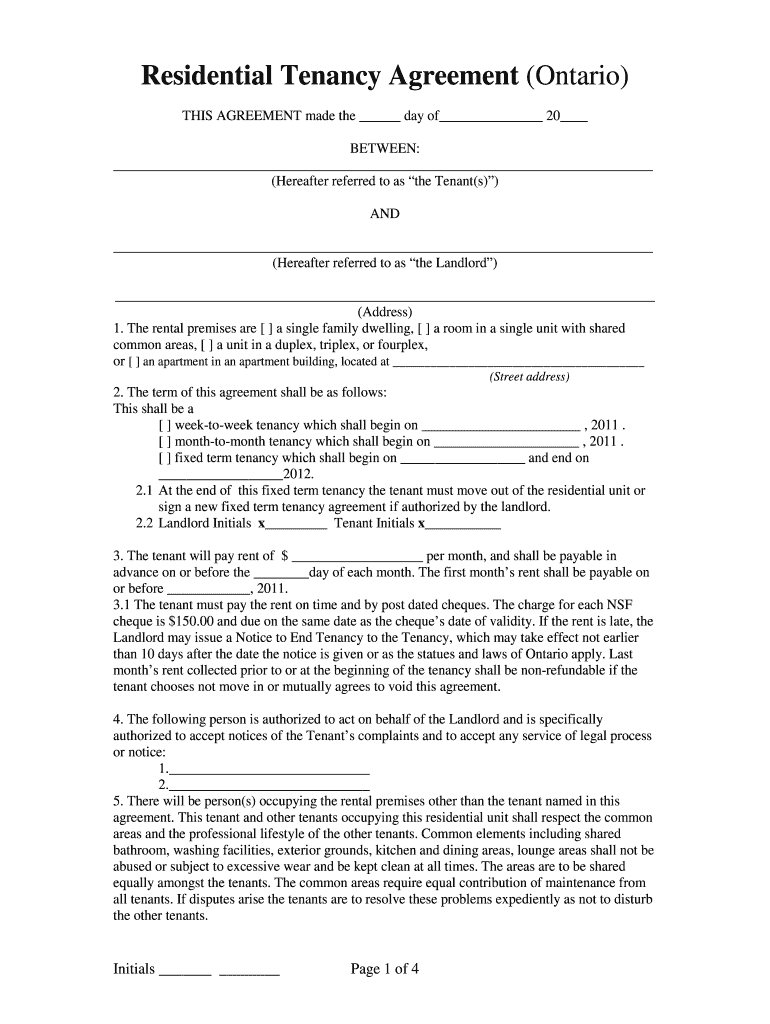
A lease agreement, often referred to as a rental agreement, is a vital legal document that establishes the terms and conditions between a landlord and tenant. In Ontario, this agreement outlines various key components related to the rental property, providing clarity and protection for both parties involved.
Key Components of a Lease Agreement
The main elements contained within a lease agreement in Ontario typically include:
- Rental Premises: A detailed description of the property being rented, including the address and any specific details relevant to the unit.
- Tenancy Duration: Clearly defined start and end dates of the lease, specifying whether it is a fixed-term lease or a month-to-month arrangement.
- Rent Payment Obligations: Information regarding the rent amount, payment frequency (monthly, bi-weekly), and acceptable payment methods.
- Utilities and Maintenance Responsibilities: Outlining which utilities are included in the rent and the responsibilities of both the tenant and landlord regarding maintenance and repairs.
- Rules Regarding Common Areas: Any regulations related to shared spaces within the property, such as laundry rooms, parking, or yards.
- Entry Rights of the Landlord: Conditions under which the landlord can enter the rental property, ensuring tenant privacy while allowing for necessary inspections or repairs.
Legal Considerations in Ontario Lease Agreements
It is essential for both landlords and tenants to understand their rights under Ontario's Residential Tenancies Act. Some important legal aspects of a lease agreement include:
- Termination and Eviction Provisions: Clearly stated terms under which either party may terminate the lease and the legal processes for eviction if necessary.
- Tenant Conduct: Clauses relating to acceptable behavior within the property, including noise levels, maintenance of cleanliness, and other conduct expectations.
- Insurance Requirements: Recommendations or requirements for tenants to carry renter's insurance to protect personal belongings.
Creating a Fillable Lease Agreement Template
Utilizing forms that are fillable enhances the ease of completing a lease agreement. This feature allows landlords and tenants to:
- Input Tenant Information: Directly enter names and contact details of all parties involved.
- Select Options in Checkboxes: Easily specify terms such as pets allowed, smoking preferences, or included furnishings.
- Capture Signatures: Sign the lease electronically to ensure compliance without the need for in-person meetings.
Advantages of Using an Ontario Standard Lease Form
The Ontario standard lease form has been designed to ensure that all necessary information is included. Key benefits include:
- Compliance with Legal Requirements: Using the standard form ensures adherence to local laws governing rental agreements.
- Simplicity and Clarity: The form is set up to minimize confusion by presenting terms in a straightforward manner.
- Protection Against Disputes: Clearly outlined terms reduce the likelihood of misunderstandings or disputes between landlords and tenants.
Variants and Alternatives to Standard Lease Agreements
While the standard lease agreement is commonly used, there are variations to consider based on specific arrangements, such as:
- Short-Term Lease Agreements: Used for rental periods under one year, often applicable in scenarios like vacation rentals.
- Room Rental Agreements: Tailored specifically for shared living situations, detailing terms relevant to multiple tenants living in the same property.
- Commercial Lease Agreements: These differ from residential agreements as they pertain to the rental of business premises with unique terms and conditions.
Important Terms in Ontario Lease Agreements
Familiarity with key terms can help both parties navigate their lease agreements effectively. Important concepts include:
- Notice Period: The amount of time required for either party to provide notice before terminating a tenancy.
- Rent Control: Laws that dictate the maximum allowable rent increases for existing tenants within a specified period.
- Security Deposit: This clause defines whether a deposit is required and the conditions for its return.
Understanding these key elements and legal considerations will equip landlords and tenants in Ontario to engage effectively in the rental process, ensuring both parties are informed and protected. A comprehensive lease agreement, whether a standardized template or a customized document, plays a pivotal role in fostering a positive landlord-tenant relationship.