




Here's how it works
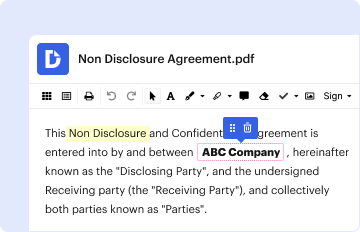
01. Edit your construction loan cost breakdown worksheet online
Type text, add images, blackout confidential details, add comments, highlights and more.
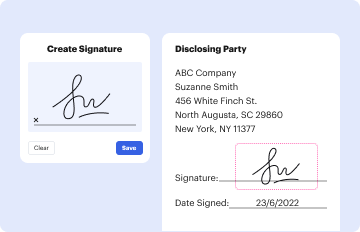
02. Sign it in a few clicks
Draw your signature, type it, upload its image, or use your mobile device as a signature pad.

03. Share your form with others
Send construction loan worksheet via email, link, or fax. You can also download it, export it or print it out.
How to use or fill out construction loan cost breakdown worksheet with our platform

- Click ‘Get Form’ to open the construction loan cost breakdown worksheet in the editor.
- Begin by entering your name at the top of the form. This personalizes your document and ensures proper identification.
- In the 'Category' section, review each item listed from Excavating/Foundation to Land Payoff. For each category, input the budgeted amount for both labor and materials.
- Ensure that you fill in all relevant fields accurately. Each category must include costs associated with both labor and materials as specified in the note.
- Once all categories are filled, calculate the total cost to build by summing up all budgeted amounts. Enter this total in the designated field.
- Finally, add your signature and date at the bottom of the form to finalize your submission.
Start using our platform today for free to streamline your construction loan documentation process!
Fill out construction loan cost breakdown worksheet online
It's free
It's free
See more construction loan cost breakdown worksheet versions
We've got more versions of the construction loan cost breakdown worksheet form. Select the right construction loan cost breakdown worksheet version from the list and start editing it straight away!
| Versions | Form popularity | Fillable & printable |
|---|---|---|
| 2004 | 4.8 Satisfied (63 Votes) |
Got questions?
We have answers to the most popular questions from our customers. If you can't find an answer to your question, please contact us.
Contact us
What is the standard cost breakdown structure?
A Cost Breakdown Structure (CBS) categorizes and organizes project costs into structured components, helping project managers track and control expenses at a granular level. Each cost category consists of specific cost items, which represent individual expenses that contribute to the total budget.
What is the cost breakdown structure in construction?
A construction cost breakdown is a comprehensive list showing the costs of every expense in a construction project. It divides everything into categories like labor, materials, equipment, and overhead costs, helping construction managers put every dollar to good use.
How to do a cost breakdown for a project?
How to Create a Cost Breakdown Structure Step 1: Know all the activities and resource requirements. Step 2: Identify cost categories. Step 3: Estimate the cost of work. Step 4: Build a contingency plan for your CBS. Step 5: Sense check.
How do you calculate loan to cost on a construction loan?
The loan to cost ratio (LTC) formula divides the total loan amount by the total development cost of the real estate project.
What is a typical cost breakdown?
A cost breakdown is a detailed analysis of project expenses, divided into categories like labor, materials, and overhead. It helps project managers track costs, ensuring the project stays on budget and schedule. A cost breakdown analysis is crucial for managing financial risks and allocating resources effectively.
Security and compliance
At DocHub, your data security is our priority. We follow HIPAA, SOC2, GDPR, and other standards, so you can work on your documents with confidence.
Learn more


People also ask
What is the formula for calculating construction cost?
Example Calculation: Lets say you are building a house of 2,000 square feet. You decide to go with standard construction at ₹2,000 per square foot. Your basic cost would be ₹2,000 2,000 = ₹40,00,000.
What is the cost breakdown structure for construction?
A cost breakdown structure (CBS) is a hierarchical framework that organizes a projects costs by breaking down its total expenses into specific categories, such as overheads, labor, and supplies, so that project managers can easily see and manage the individual cost components of the project.
What fees are involved in construction loans?
Construction loan closing costs are the upfront expenses you pay when securing financing to build a home or complete a large renovation. These costs typically include appraisal fees, lender origination fees, title insurance, inspection charges, and prepaid interest.