




Here's how it works
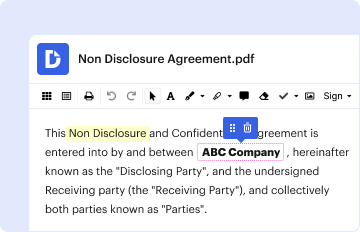
01. Edit your kyc checklist template online
Type text, add images, blackout confidential details, add comments, highlights and more.
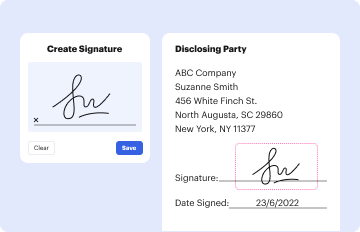
02. Sign it in a few clicks
Draw your signature, type it, upload its image, or use your mobile device as a signature pad.
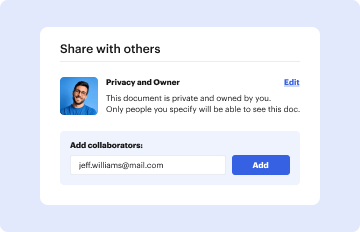
03. Share your form with others
Send it via email, link, or fax. You can also download it, export it or print it out.
How to use or fill out know your customer checklist pdf with our platform

- Click ‘Get Form’ to open the know your customer checklist PDF in the editor.
- Begin with SECTION A, where you will enter the Policy Number, Policy Type, and Date Effected. Ensure all details are accurate for compliance.
- Move to SECTION B and select the appropriate Policy Holder Type by ticking the relevant box. This helps categorize your application correctly.
- In SECTION C, provide comprehensive information about the Policy Holder, including Full Name, Date of Incorporation, and Company Registration No. Fill in all fields to avoid delays.
- Proceed to SECTION D for Verification of Identity. Attach necessary documents like Certificate of Incorporation or Partnership Agreement as required.
- Complete SECTION E regarding Shareholders by indicating if any shareholders have more than 10% participation and providing U.S. indicia if applicable.
- In SECTION H, verify the Source of Funds by attaching relevant financial statements or banker’s references as needed.
- Finally, sign in SECTION I to confirm that all information is true and complete before submitting your form.
Start using our platform today for free to streamline your document editing and ensure compliance effortlessly!
Fill out know your customer checklist pdf online
It's free
It's free
See more know your customer checklist pdf versions
We've got more versions of the know your customer checklist pdf form. Select the right know your customer checklist pdf version from the list and start editing it straight away!
Got questions?
We have answers to the most popular questions from our customers. If you can't find an answer to your question, please contact us.
Contact us
What are Know Your Customer checks?
KYC means Know Your Customer and sometimes Know Your Client. KYC or KYC check is the mandatory process of identifying and verifying the clients identity when opening an account and periodically over time. In other words, banks must ensure that their clients are genuinely who they claim to be.
What are the 4 elements of KYC?
The Company has framed its KYC policy incorporating the following four key elements: (i) Customer Acceptance Policy; (ii) Customer Identification Procedures; (iii) Monitoring of Transactions/ On-going Due Diligence; and (iv) Risk Management.
What is KYC pdf?
Know Your Client (KYC) means identifying and verifying the clients identity and the identity of the beneficial owner through documents submitted for Proof of Identity (PoI) and Proof of Address (PoA) and compliance with rules, regulations, guidelines and circulars issued by the Board or any other authority for
How do I get KYC for my bank account?
Visit your nearest branch of the bank. Submit the KYC form along with proof of identity, address, and other relevant documents. Once the documents are verified, the KYC process is completed.
What are the four steps of KYC?
5 essential steps for KYC/AML onboarding and compliance Step 1: Customer Identification Program (CIP) Step 2: Customer Due Diligence. Step 3: Enhanced Due Diligence. Step 4: Continuous monitoring. Step 5: Reporting and compliance.
Security and compliance
At DocHub, your data security is our priority. We follow HIPAA, SOC2, GDPR, and other standards, so you can work on your documents with confidence.
Learn more


People also ask
What is a KYC checklist?
Know Your Customer checks often shortened to KYC checks are a way for companies to assess and confirm a customers identity, their financial activities, and the risk they pose. The goal is to prevent fraud, money laundering, and other financial crimes by ensuring that customers are who they claim to be.
What does KYC document mean?
KYC means Know Your Customer. It is a process by which banks obtain information about the identity and address of the customers. This process helps to ensure that banks services are not misused. The KYC procedure is to be completed by the banks while opening accounts and also periodically update the same.
What are the 5 steps of KYC?
Best practices for KYC onboarding due diligence typically begin with these five steps: Step 1: Customer Identification Program (CIP) Step 2: Customer Due Diligence. Step 3: Enhanced Due Diligence. Step 4: Continuous monitoring. Step 5: Reporting and compliance.