
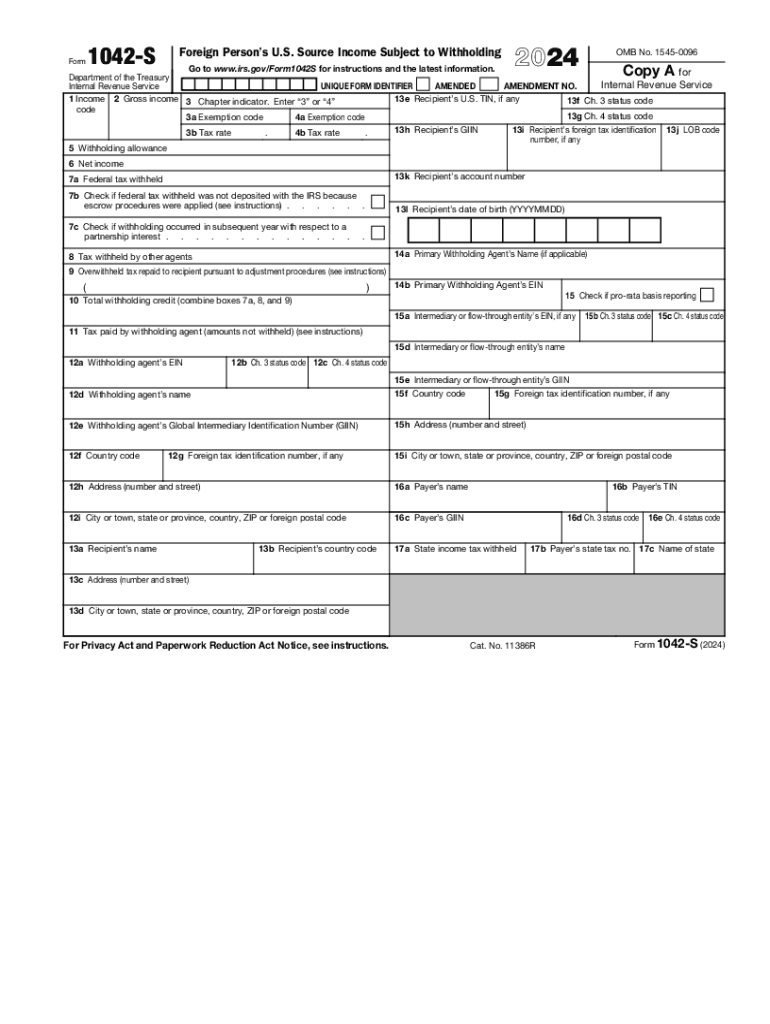







Definition and Meaning
The term "Federal Income Tax Withholding and Reporting on Other" refers to the mandated process by which certain types of payments are subject to federal income tax withholding. These payments could encompass a diverse array of income types beyond traditional wages and salaries that require specific IRS reporting. The reporting mechanism ensures compliance with federal tax requirements, facilitating the correct deduction and remittance of taxes from these income sources. Understanding this term is crucial for both taxpayers and tax professionals in order to navigate the complexities of tax compliance effectively.
How to Use the Form
To properly utilize the "Federal Income Tax Withholding and Reporting on Other," it is essential to accurately determine which types of income are subject to withholding. This form is generally employed by payers who must report income paid to individuals or entities not typically associated with regular employment income. The payer must calculate the correct withholding amount and report this, along with other pertinent details, to the IRS. This calculation requires adherence to current IRS guidelines and understanding of tax withholding rates applicable to the specific income type.
Key Steps in Using the Form
- Identify Applicable Income: Confirm whether the income falls under specific categories requiring withholding.
- Calculate Withholding: Determine the appropriate federal withholding amount based on IRS rates for the income type.
- Record Withholding Information: Document the details on the form, ensuring all sections are completed in accordance with IRS standards.
Who Typically Uses the Form
This form is typically used by entities and individuals responsible for issuing payments subject to federal withholding. Common users include financial institutions, corporations, and any organization or person making payments to nonresident aliens or entities. Additionally, tax preparers and accountants might handle this form to assist clients in meeting their legal obligations.


Common Scenarios
- Financial Institutions: Reporting interest or dividend earnings for foreign account holders.
- Corporations: Reporting payment distributions made to foreign shareholders or contractors.
- Tax Professionals: Assisting individuals who have complex income reporting requirements.
Important Terms Related to the Form
Understanding key terminology is vital for accurately completing the Federal Income Tax Withholding and Reporting form. Some important terms include:
- Withholding Agent: The person or entity responsible for withholding income tax.
- Nonresident Alien: Individuals who are not citizens or residents of the United States but receive income from a U.S. source.
- Withholding Certificate: A document provided by a recipient allowing reduced withholding under a tax treaty.
IRS Guidelines
The IRS provides detailed guidelines regarding who must file this form, the types of income subject to withholding, and the correct reporting procedures. Familiarizing oneself with these guidelines is essential for ensuring compliance and avoiding penalties.
Highlights of IRS Guidance
- Filing Requirements: Criteria determining when and by whom the form must be filed.
- Income Types: Specifications on which incomes need to be reported.
- Submission Protocol: Established methods and timelines for submitting the form to the IRS.
Filing Deadlines and Important Dates
Adhering to filing deadlines is critical to avoid penalties and ensure timely compliance with IRS regulations. Specific due dates may vary based on the nature of the income and the taxpayer's filing status.
Key Dates
- Annual Filing Deadline: Generally due by March 15th following the tax year, but varies for specific form types.
- Extension Requests: Process for applying for deadline extensions if necessary.
Required Documents
Preparation of the Federal Income Tax Withholding and Reporting form entails gathering various documents that substantiate the income subject to withholding and the corresponding tax calculations.
Essential Documents
- Withholding Certificates: Such as IRS Form W-8 for non-residents.
- Income Statements: Specific documentation of the income paid and withheld amounts.
- Tax Identification Numbers: For both payer and recipient.
Penalties for Non-Compliance
Failure to comply with the rules governing the Federal Income Tax Withholding and Reporting can result in significant penalties. These penalties can arise from late filing, incorrect data, or non-submission.
Types of Penalties
- Late Filing Fees: Charged when the form is submitted past the due date.
- Under-withholding Penalties: Imposed if the incorrect amount of tax is withheld.
- Misreporting Fines: For inaccuracies or false data on the form.




