







Comprehensive Overview of the Fidelity Letter of Instruction
Definition and Purpose of a Fidelity Letter of Instruction
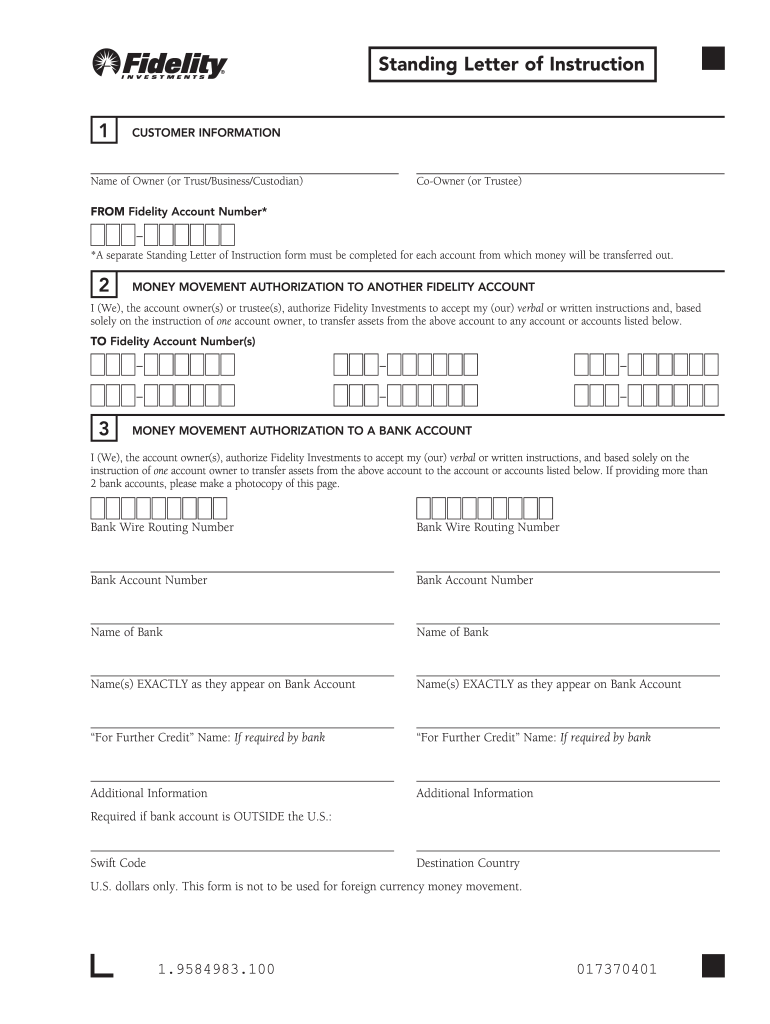
A Fidelity letter of instruction is a formal document that allows account holders to provide specific guidance or authorization regarding the management and movement of their financial assets. This document is crucial for facilitating actions such as transferring funds between accounts, designating beneficiaries, or providing instructions for account maintenance.
- Asset Transfers: It empowers account holders to direct Fidelity Investments on how to handle the movement of their assets, ensuring that requests align with their financial strategy.
- Control and Security: The letter serves to maintain control over one's financial assets while simplifying communication with the investment management firm.
Key Elements of a Fidelity Letter of Instruction
Producing a compliant Fidelity letter of instruction involves including critical information that Fidelity requires to process requests accurately. Some of the essential elements include:
- Customer Identification: Full name, address, account numbers, and Social Security Number (or taxpayer identification number) of the account holder.
- Instructions for Transactions: Clear directives regarding what actions should be taken, such as transfers, withdrawals, or designating power of attorney.
- Indemnification Clause: A section to protect Fidelity from liabilities due to transactions based on the submitted instructions, ensuring that the firm is shielded from wrongful interpretations of the document.
Steps to Complete a Fidelity Letter of Instruction
Filling out a Fidelity letter of instruction requires careful attention to detail to ensure all necessary information is provided. The following steps serve as a guide:
- Gather Required Information: Ensure you have all relevant personal and account details on hand, such as the account number and recipient information for transfers.
- Select the Appropriate Form: You may need to use the Fidelity letter of instruction PDF or an editable form to input your information electronically.
- Complete the Document: Fill out all sections clearly, ensuring that the directives are unambiguous and precise. Remember to specify amounts when transferring funds.
- Get Required Signatures: Ensure that all account owners sign the document. For joint accounts, all parties must provide their signatures.
- Include a Signature Guarantee: Check if a Medallion signature guarantee from a bank or financial institution is necessary to authenticate the document. This step is vital for preventing fraud.
Examples of Using a Fidelity Letter of Instruction
Humans often encounter various scenarios where a Fidelity letter of instruction becomes necessary. The following examples illustrate practical applications:
- Transferring Between Accounts: An account holder might want to move funds from a Fidelity brokerage account to a Fidelity savings account. The letter specifies the accounts involved and the amount to be transferred.
- Beneficiary Designation Changes: An individual may wish to modify their beneficiary designations. The letter outlines the current beneficiaries and specifies new ones with clear instructions for Fidelity to follow.
- Investment Strategy Adjustments: An investor may want to instruct Fidelity to liquidate certain assets or reallocate funds based on a change in their financial strategy.
Legal Considerations and Compliance
When using the Fidelity letter of instruction, understanding the legal framework governing such documents is essential:
- ESIGN Act Compliance: Ensure that electronic signatures and documents comply with the Electronic Signatures in Global and National Commerce Act, making them legally binding.
- State Regulations: Different states may have specific requirements regarding signature guarantees and documentation that must be adhered to when submitting your Fidelity letter of instruction.
Importance of Signature Guarantees
For certain transactions, particularly those involving larger asset movements or potential sensitivities, a Fidelity investments Medallion signature guarantee is required. This guarantee serves several purposes:
- Fraud Prevention: It adds a layer of security by confirming the identity of the signer and their authority to make changes or transactions in the account.
- Protection for All Parties: It reduces the risk for Fidelity by providing assurance that the instructions are legitimate and authorized, minimizing potential disputes later.
By following the structured approach when drafting and submitting a Fidelity letter of instruction, account holders can ensure that their financial intentions are effectively communicated and legally recognized.





