




Here's how it works
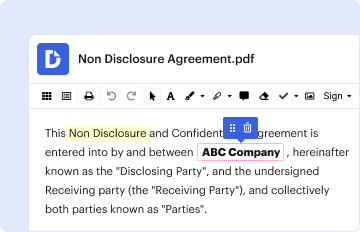
01. Edit your am0530 online
Type text, add images, blackout confidential details, add comments, highlights and more.
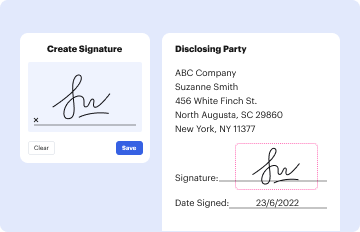
02. Sign it in a few clicks
Draw your signature, type it, upload its image, or use your mobile device as a signature pad.
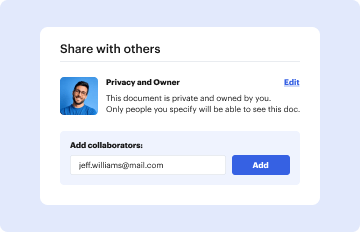
03. Share your form with others
Send limited licence functions police notification via email, link, or fax. You can also download it, export it or print it out.
How to use or fill out Limited licence functions: police notification - Liquor and Gaming NSW

- Click ‘Get Form’ to open it in the editor.
- Begin with Part 1, where you will enter your limited licence holder details. Fill in your liquor licence number and name, ensuring accuracy for processing.
- In Part 2, describe the function details. Specify the type of function (e.g., dinner, seminar) and provide the measures to prevent underage drinking and service to intoxicated individuals.
- Proceed to Part 4 to list each function. You can include up to 52 functions; if needed, make copies of the page for additional entries. For each function, provide the date, expected attendance numbers, address, start and end times, and liquor sales timings.
- Finally, complete Part 3 by signing the declaration. Ensure you submit this form at least 14 days before your first function.
Start using our platform today for free to streamline your document editing and submission process!
Fill out Limited licence functions: police notification - Liquor and Gaming NSW online
It's free
It's free
See more Limited licence functions: police notification - Liquor and Gaming NSW versions
We've got more versions of the Limited licence functions: police notification - Liquor and Gaming NSW form. Select the right Limited licence functions: police notification - Liquor and Gaming NSW version from the list and start editing it straight away!
Got questions?
We have answers to the most popular questions from our customers. If you can't find an answer to your question, please contact us.
Contact us
What action could liquor gaming NSW take against you if you commit a serious breach of NSW liquor laws?
These demerit points apply to serious breaches of liquor legislation and can result in sanctions ranging from additional loadings attached to a venues annual liquor license fee through to reprimands and disqualifications of licensees, managers and club secretaries or the suspension of liquor licences for up to 14 days
Who regulates and enforces RSA in NSW?
The key agencies regulating and enforcing the Responsible Service of Alcohol (RSA) in New South Wales (NSW) are Liquor Gaming NSW, the Independent Liquor Gaming Authority, and the NSW Police Force.
Do you need an RSA to serve alcohol at a private function in NSW?
The licensee, supervisors and everyone serving liquor will need to have completed an approved RSA course. This applies to anyone serving liquor in a voluntary capacity as well as any security officers with crowd control duties.
Is anyone exempt from RSA in NSW?
RSA training is mandatory for everyone in NSW involved in the sale and supply of alcohol to the public. This includes licensees, club secretaries, service staff and security staff working at licensed premises. There are no exemptions from undertaking the course.
What is the role of liquor and gaming NSW?
We manage the regulatory framework (rules) for liquor, gambling, s, wagering, lotteries, and registered clubs in NSW. Liquor Gaming NSW sits in the Hospitality and Racing group in the Department of Creative Industries, Tourism, Hospitality and Sport.
Security and compliance
At DocHub, your data security is our priority. We follow HIPAA, SOC2, GDPR, and other standards, so you can work on your documents with confidence.
Learn more


People also ask
What are the objectives of the NSW liquor laws?
regulate and control the sale, supply and consumption of alcohol in a way that is consistent with the expectations, needs and aspirations of the community.
What is the liquor Licencing Act NSW?
In NSW, the Liquor Act 2007 (the Act) and related regulations govern the sale of liquor. Section 7 states that a person must not sell liquor unless the person is authorised to do so by a licence. A breach of the Act can result in a fine or imprisonment (currently up to $11,000 or 12 months or both).
What is liquor and gaming NSW enforcement based on?
Our compliance and enforcement activities are guided by our vision and mission. Our vision: Vibrant, safe, and responsible hospitality and racing sectors for NSW. Our mission: Enabling and supporting industry to minimise harm and develop responsibly in step with community expectations and aspirations.