




Here's how it works
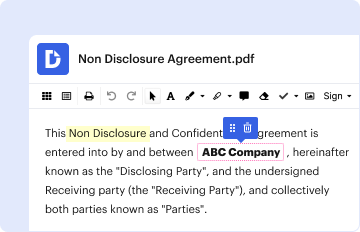
01. Edit your blower door rental online
Type text, add images, blackout confidential details, add comments, highlights and more.
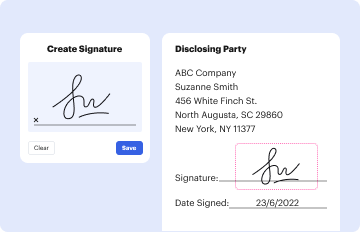
02. Sign it in a few clicks
Draw your signature, type it, upload its image, or use your mobile device as a signature pad.
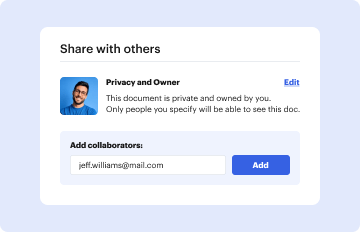
03. Share your form with others
Send it via email, link, or fax. You can also download it, export it or print it out.
How to use or fill out Monroe County Government Building Permit Application with DocHub

- Click ‘Get Form’ to open the Monroe County Government Building Permit Application in our platform.
- Begin by entering the 'Permit #' and 'Date' at the top of the form. Ensure these fields are filled accurately as they are essential for tracking your application.
- Fill in the 'Contractor Name', 'Job Address', and 'City, State, Zip' fields. This information identifies who is responsible for the project and where it is located.
- Provide your contact details by entering your 'Phone #' and 'Email'. This allows for easy communication regarding your permit status.
- In the 'AIR INFILTRATION TEST RESULTS' section, input the CFM (50) value and calculate ACH(50) based on the provided formula. Select whether you passed or failed the test.
- Complete the 'CERTIFICATION OF TEST RESULTS' section by selecting your certification type and entering your license number. Ensure that an authorized third party signs this section.
- Finally, review all entries for accuracy before submitting. Use our editor's features to make any necessary adjustments easily.
Start filling out your Monroe County Government Building Permit Application today using our platform for free!
Fill out Monroe County Government Building Permit Application online
It's free
It's free
See more Monroe County Government Building Permit Application versions
We've got more versions of the Monroe County Government Building Permit Application form. Select the right Monroe County Government Building Permit Application version from the list and start editing it straight away!
Got questions?
We have answers to the most popular questions from our customers. If you can't find an answer to your question, please contact us.
Contact us
Is a building permit the same as a construction permit?
A building or construction permit is an approval issued by the city or government agency having jurisdiction over a parcel of land. Building permits provide applicants with the legal authority to complete construction work. They are in place to help the government ensure that a structure is legal, safe, and meets code.
Do I need a permit to build a shed in Monroe County PA?
Zoning Permits are required for detached accessory structures and sheds less than 1,000 s.f,, decks less that 30 in height, fences, grading, paving, sidewalks, slabs or demolition of any structure.
Who pays for building permits?
Though you pay for the permit as part of your project cost, your contractor will pay the city and obtain the permit themselves. Going this route ensures your contractor is held liable for the work should a problem occur down the road. If you pull the permit, the responsibility falls on you.
What is the maximum size shed without a permit?
Finding a Shed Thats Just Right Downsizing and organising belongings can also free up space, potentially negating the need for a larger shed. For sheds under 10 square metres and 2.4m high, council approval may not be necessary. However, larger sheds or those exceeding height limitations will likely require approval.
What size shed can I build without a permit in Pennsylvania?
Do you need shed permits in PA? Under the Pennsylvania Uniform Construction Code, a permit is not needed for sheds less than 1,000 square feet. However, local jurisdictions are allowed to amend their building codes, after being approved.
Security and compliance
At DocHub, your data security is our priority. We follow HIPAA, SOC2, GDPR, and other standards, so you can work on your documents with confidence.
Learn more


People also ask
How do I get a building permit for my garage?
Contact your local building office and describe the project you want to do. Applying for a building permits Prepare the permit application Submit the building permit application and pay whatever fees are required. The licensing office will issue you an official permit certificate.
What is the highest shed without planning permission?
THE FOLLOWING WORK DOES NOT REQUIRE A BUILDING PERMIT: Fully detached accessory buildings to single-family dwellings less than 1,000 square feet. Agricultural Buildings. Manufactured and industrialized housing (mobile homes and modular homes).