



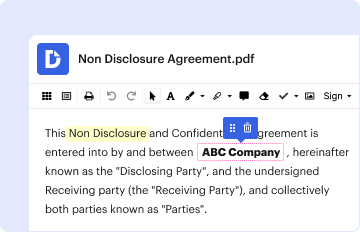
01. Edit your form 8867 due diligence checklist online
Type text, add images, blackout confidential details, add comments, highlights and more.

Type text, add images, blackout confidential details, add comments, highlights and more.
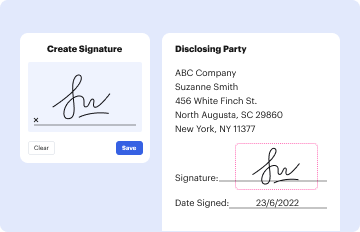
Draw your signature, type it, upload its image, or use your mobile device as a signature pad.

Send 8867 form via email, link, or fax. You can also download it, export it or print it out.
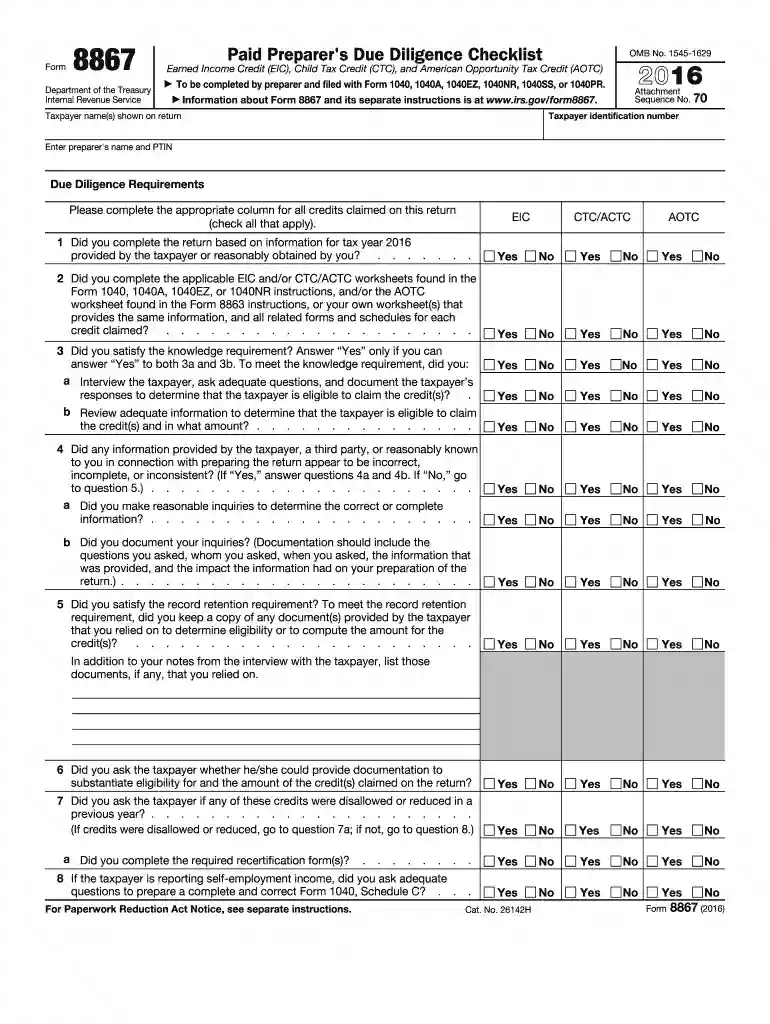
Form 8867, also known as the Paid Preparer's Due Diligence Checklist, is a crucial document mandated by the Internal Revenue Service (IRS). This form is used by tax preparers who assist taxpayers in claiming specific credits, such as the Earned Income Credit (EIC), Child Tax Credit (CTC), and American Opportunity Tax Credit (AOTC). The primary purpose of this form is to ensure that tax preparers adhere to established due diligence requirements, thereby minimizing fraudulent claims and ensuring compliance with tax regulations.
Tax preparers must fill out IRS Form 8867 for each tax return or claim for a refund when applicable credits are involved. This form needs to be completed and attached to the taxpayer's return. Preparers should review all the information provided by their clients, verify eligibility for the credits, and ensure that all necessary documentation is in place. Upon completing these steps, the preparer should use the form to attest to their compliance with the diligence requirements.
Completing Form 8867 involves several key steps that tax preparers must follow. Each section of the form requires specific information:
Understanding the essential components of Form 8867 is crucial for tax preparers:
Tax preparers who fail to complete IRS Form 8867 correctly may face significant penalties. The IRS imposes strict fines for each missed or inadequate submission, which can quickly add up. Penalties are enforced to encourage adherence to due diligence and protect the integrity of the tax system. Preparers must stay informed about the latest compliance standards to avoid these financial repercussions.
Preparers need to gather various documents to complete Form 8867:
The IRS provides detailed guidance for completing Form 8867, emphasizing that all tax preparers comply with the due diligence requirements. These guidelines aim to help preparers accurately assess eligibility for tax credits and ensure that all information on tax returns reflects the taxpayer's circumstances correctly.
Eligibility for the credits associated with Form 8867 includes:


We've got more versions of the form 8867 due diligence checklist form. Select the right form 8867 due diligence checklist version from the list and start editing it straight away!
| Versions | Form popularity | Fillable & printable |
|---|---|---|
| 2024 | 4.3 Satisfied (36 Votes) | |
| 2023 | 4.9 Satisfied (25 Votes) | |
| 2022 | 4.6 Satisfied (58 Votes) | |
| 2021 | 4.8 Satisfied (90 Votes) | |
| 2020 | 4.4 Satisfied (83 Votes) | |
| 2019 | 4.3 Satisfied (54 Votes) | |
| 2018 | 4.3 Satisfied (151 Votes) | |
| 2017 | 4.4 Satisfied (88 Votes) | |
| 2016 | 4.3 Satisfied (117 Votes) | |
| 2015 | 4.1 Satisfied (67 Votes) | |
| 2014 | 4.3 Satisfied (38 Votes) | |
| 2013 | 3.9 Satisfied (35 Votes) | |
| 2011 | 4.1 Satisfied (38 Votes) |
At DocHub, your data security is our priority. We follow HIPAA, SOC2, GDPR, and other standards, so you can work on your documents with confidence.
(ii) The tax return preparers completion of Form 8867 must be based on information provided by the taxpayer to the tax return preparer or otherwise reasonablyRead more
For Paperwork Reduction Act Notice, see separate instructions. Cat. No. 26142H. Form 8867 (2016). Page 2. Form 8867 (2016). Page 2. Due Diligence Questions forRead more
IRS to provide a short form 1040 for seniors beginning in 2019. Thus, the IRS released 2019 Form 1040-SR. If you look at the Form 1040-SR, the first thingRead more


