



01. Edit your 8879 form online
Type text, add images, blackout confidential details, add comments, highlights and more.

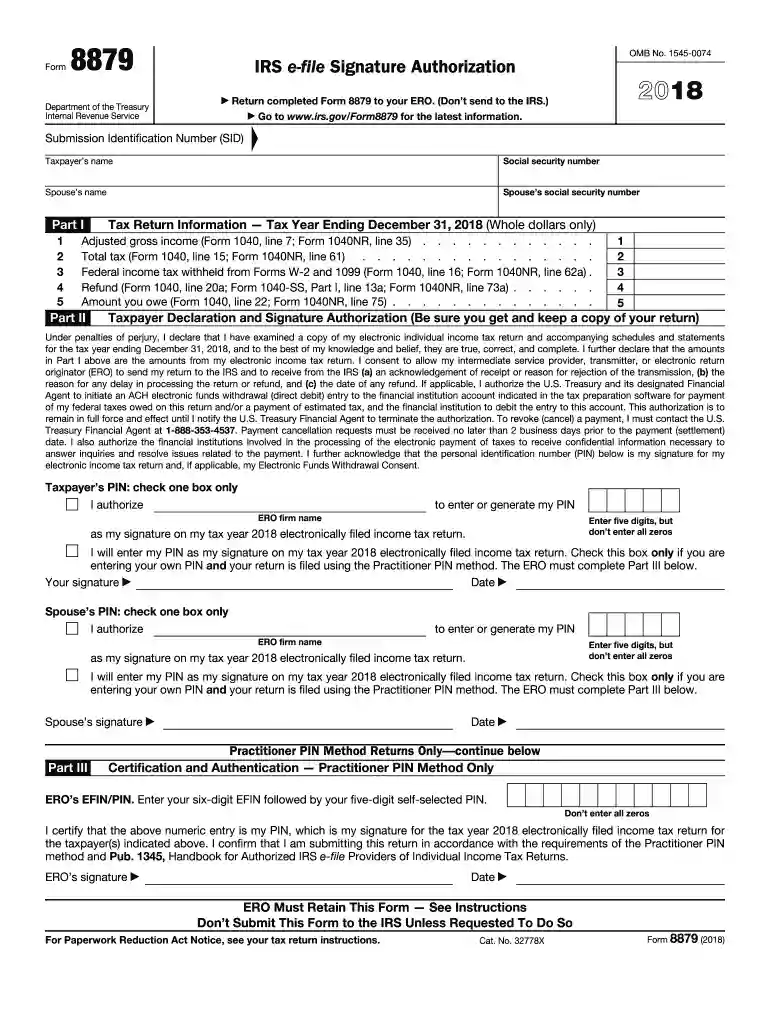
Type text, add images, blackout confidential details, add comments, highlights and more.

Draw your signature, type it, upload its image, or use your mobile device as a signature pad.

Send form 8879 via email, link, or fax. You can also download it, export it or print it out.
Form 8879, officially known as the IRS e-file Signature Authorization, is used for taxpayers who wish to file their individual income tax returns electronically. This form serves as a declaration, permitting the Electronic Return Originator (ERO) to submit the taxpayer’s return electronically. The document collects key taxpayer details, including names, Social Security numbers, and filing statuses, followed by the taxpayer's signature authorizing the e-file process. Importantly, form 8879 is not submitted to the IRS; instead, it is retained by the ERO and must be presented only upon request. This ensures the taxpayer has authorized their electronic submission, adding an extra layer of approval for e-filed returns.
To properly utilize Form 8879, the taxpayer must first complete their individual income tax return using IRS-approved software. Once the tax return has been reviewed, the Electronic Return Originator (ERO) generates Form 8879, which summarizes critical information such as adjusted gross income (AGI) and refund amounts. The taxpayer needs to carefully review these figures to ensure accuracy. The taxpayer then signs and dates the form to formally authorize the electronic submission of their tax return. This signature certifies that the information is true to the best of their knowledge and that the ERO is authorized to process the filing. Once completed, the signed form is returned to the ERO for retention.
Review Tax Return Information: Ensure the details on the tax return are complete and accurate. Check amounts for adjusted gross income and any refund or taxes owed.
Generate Form 8879: The ERO will use tax preparation software to produce Form 8879 based on the return's details.
Verify Information on Form 8879: Before signing, confirm that the form reflects the correct tax year, taxpayer name, and tax identification number.
Sign and Date the Form: The taxpayer must physically or electronically sign the form to authorize the ERO to submit the tax return.
Return the Form: Send the signed copy back to the ERO. The ERO must keep this on file for at least three years.
Retain Copies: It’s advised for taxpayers to keep a copy of Form 8879 for their records.
The Internal Revenue Service provides strict guidelines for the use of Form 8879. All Electronic Return Originators must verify the identity of the taxpayer during the e-file process. Additionally, they must adhere to record retention practices by keeping the signed Form 8879 for three years after the return's filing date. EROs are responsible for ensuring that the taxpayer’s data is kept confidential and protected against unauthorized access. Moreover, the ERO must provide a copy of the signed Form 8879 to the taxpayer upon request. These practices safeguard the e-filing process and ensure compliance with federal standards.
Form 8879 is predominantly used by individual taxpayers who opt to file their returns electronically through a third-party tax preparer. This includes salaried employees, self-employed individuals, retirees, and students who wish to streamline their filing processes. The form is particularly relevant for taxpayers who are unable to file their returns personally and rely on EROs for accurate electronic submissions. Businesses filing individual tax components or individuals with complex tax situations may also use this form to simplify their filing and ensure compliant authorization for electronic submissions.

While Form 8879 itself is not filed with the IRS, it is a necessary component of the electronic filing process. Once this form is completed and signed by the taxpayer, it is returned to the ERO for record-keeping. EROs are responsible for electronically submitting the actual tax return to the IRS. As part of compliance, EROs may use various IRS-approved electronic filing systems designed to ensure secure, encrypted transmission of tax returns. Taxpayers can inquire whether their ERO offers e-signature capabilities, which simplify the process by eliminating the need for physical signatures.
Adhering to the filing deadlines is crucial when dealing with Form 8879. Generally, individual tax returns are due by April 15th each year. However, if this date falls on a weekend or holiday, the deadline shifts to the next business day. Taxpayers who need additional time can request an extension using Form 4868, which permits an extra six months until October 15th. It’s important to remember that extending the filing period does not extend the time to pay any taxes owed. As such, taxpayers should ensure all tax liabilities are settled by the April deadline to avoid penalties.
We've got more versions of the 8879 form form. Select the right 8879 form version from the list and start editing it straight away!
| Versions | Form popularity | Fillable & printable |
|---|---|---|
| 2021 | 4.8 Satisfied (121 Votes) | |
| 2019 | 4.4 Satisfied (288 Votes) | |
| 2018 | 4.3 Satisfied (223 Votes) | |
| 2017 | 4.3 Satisfied (257 Votes) | |
| 2016 | 4.4 Satisfied (614 Votes) | |
| 2015 | 4.3 Satisfied (170 Votes) | |
| 2014 | 4.2 Satisfied (61 Votes) | |
| 2013 | 4 Satisfied (51 Votes) | |
| 2012 | 4 Satisfied (52 Votes) | |
| 2011 | 4.1 Satisfied (37 Votes) |
At DocHub, your data security is our priority. We follow HIPAA, SOC2, GDPR, and other standards, so you can work on your documents with confidence.




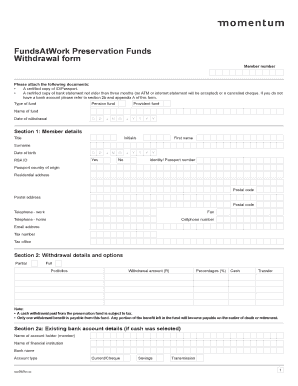
The taxpayer may return the completed Form 8879 or Form 8878 to the ERO by hand delivery, U.S. mail, private delivery service, fax, email or an Internet websiteRead more
Form 8879 is the declaration document and signature authorization for an e-filed return filed by an electronic return originator (ERO).Read more
This paper was prepared by: T.F. Jenkins2, S.R. Bigl1, A.D. Hewitt1*, J.L. Clausen1, H.D. Craig5, M.E.. Walsh1, R. Martel3, K. Nieman4, S. Taylor1, and M.R.Read more


