Understanding Sleep Quality Assessment
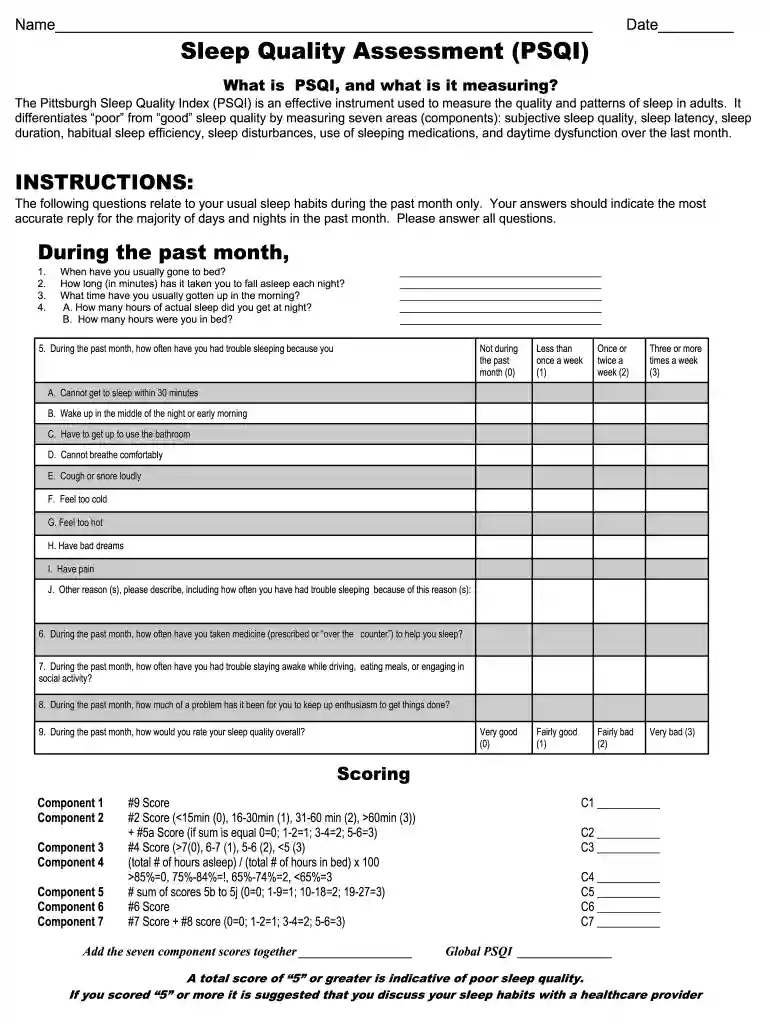
Sleep quality assessment refers to the systematic evaluation of an individual's sleep patterns, habits, and overall sleep experience. Utilizing standardized tools such as the Pittsburgh Sleep Quality Index (PSQI), individuals and healthcare providers can gain insights into various aspects of sleep, including subjective quality, duration, disruptions, and daily functioning.
Components of Sleep Quality Assessment
The assessment typically includes several key components to evaluate sleep in a structured manner:
- Subjective Sleep Quality: Individuals rate their perception of sleep quality over the past month, identifying any issues or disturbances experienced.
- Sleep Latency: Measurement of the time taken to fall asleep, which can indicate underlying sleep disorders if prolonged.
- Sleep Duration: Recording the total hours slept each night helps in assessing whether the individual is meeting recommended sleep guidelines.
- Sleep Disturbances: Evaluation of how often individuals wake during the night and the reasons for these interruptions, including environmental factors and possible medical conditions.
- Medication Use: Tracking any sleep-related medications that may be influencing sleep patterns and overall quality.
- Daytime Dysfunction: Understanding how sleep affects daytime performance, mood, and overall health, indicating the necessity for improvement if significant dysfunction is reported.
Utilizing the Pittsburgh Sleep Quality Index (PSQI)
The PSQI is a widely recognized tool for sleep quality assessments. It employs a self-reported questionnaire consisting of 19 items that define sleep quality across several domains.
- Scoring: Each component is scored from zero to three, with certain subcomponents contributing more heavily to the final score. A total score above five typically indicates poor sleep quality.
- Interpretation: Individuals should refer to the provided scoring guide to interpret their results and understand areas needing attention. Higher scores correlate with increased likelihood of sleep disturbances.
Steps to Perform a Comprehensive Sleep Quality Assessment
To effectively complete a sleep quality assessment using tools like the PSQI, follow these steps:
- Prepare Required Materials: Access the PSQI questionnaire, available in various formats including PDF. Review the instructions thoroughly.
- Complete the Questionnaire: Answer the questions honestly, reflecting on your sleep habits over the past month.
- Calculate Your Total Score: Tally your scores for each section carefully, ensuring accuracy to assess your overall sleep health.
- Interpret Results: Compare your total score against established thresholds to determine your sleep quality.
- Consult a Healthcare Provider: If your score indicates poor sleep quality or significant issues, schedule an appointment with a healthcare professional for further evaluation.
Importance of Sleep Quality Assessment
Regular sleep quality assessments are vital for understanding and improving sleep health. Key reasons include:
- Identification of Sleep Disorders: Early detection of sleep-related issues can lead to timely interventions, significantly improving quality of life.
- Informed Treatment Decisions: Results from assessments guide healthcare providers in making evidence-based treatment recommendations.
- Educational Opportunity: Individuals become more aware of their sleep patterns and can implement positive changes or seek assistive options to enhance their sleep quality.
Who Should Utilize Sleep Quality Assessments?
Sleep quality assessments benefit various groups, including:
- Individuals Experiencing Sleep Disturbances: Those with chronic insomnia, sleep apnea, or other sleep disorders.
- Healthcare Providers: Medical professionals conducting evaluations for patients with sleep-related complaints.
- Researchers: Academics studying sleep patterns and their effects on physical and mental health in different populations.
- Wellness Programs: Employers or organizations aiming to assess and promote health initiatives concerning employee well-being.
Limitations of Sleep Quality Assessments
While sleep quality assessments are beneficial, there are certain limitations to consider:
- Subjectivity: Many components rely on self-reported data, which can be influenced by personal biases or misunderstandings about sleep.
- Cultural Variability: Cultural attitudes towards sleep and health can affect how individuals report their experiences or interpret guidance.
- Focus on Symptoms: Assessments may not fully account for underlying medical conditions that contribute to sleep issues, necessitating comprehensive evaluation by healthcare providers.
By utilizing structured sleep quality assessments like the PSQI and understanding their components, individuals can better manage their sleep health, facilitating improved overall wellbeing.