



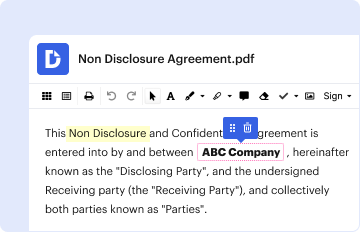
01. Edit your ohio state tax forms online
Type text, add images, blackout confidential details, add comments, highlights and more.

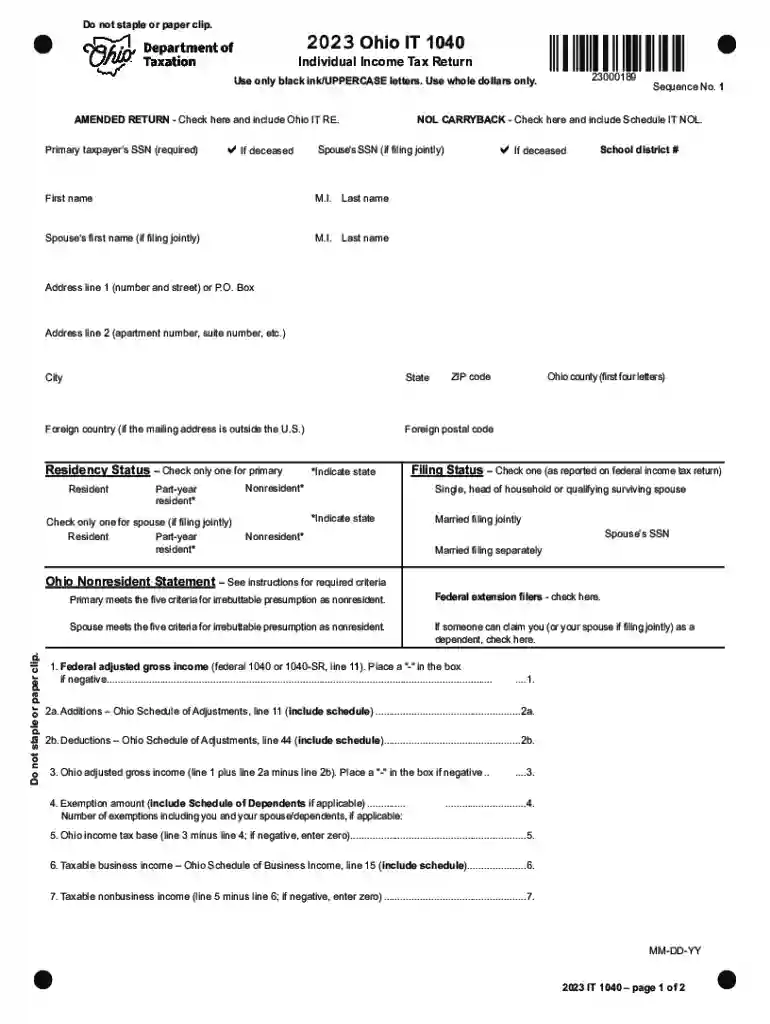
Type text, add images, blackout confidential details, add comments, highlights and more.
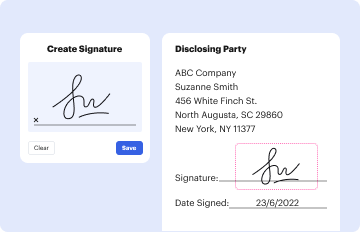
Draw your signature, type it, upload its image, or use your mobile device as a signature pad.

Send ohio it 1040 form via email, link, or fax. You can also download it, export it or print it out.
The phrase "FOR TAX YEAR 2023 ONLY DO NOT FILE UNTIL JANUARY" typically indicates that the document in question pertains specifically to tax activities for the 2023 fiscal year. This form or guidance should not be submitted before January of the following year, aligning with standard filing protocols that begin in the new calendar year. This restriction ensures accuracy by incorporating all relevant income and deductions from the entirety of 2023, preventing premature submissions that might not account for year-end fiscal decisions or changes.
Understanding the critical deadlines associated with tax filing is essential. For the tax year 2023, the Internal Revenue Service (IRS) generally opens the filing window in January, with the primary deadline typically falling on April 15, or the next business day if April 15 lands on a weekend or holiday. Here are some key dates to remember:
Adhering to these deadlines is critical to avoid penalties and ensure compliance with tax laws.
Filing taxes involves several steps to ensure accuracy and compliance with relevant tax codes. Here's a guide to completing your form for the tax year 2023:
For tax year 2023, compliance with IRS guidelines is non-negotiable to ensure lawful filing practices. The IRS provides various resources to assist taxpayers in understanding new laws or amendments affecting the tax filing process. Key areas include:
Income tax requirements and procedures can vary significantly from one state to another. It's essential to familiarize oneself with the specific tax regulations that apply to the state of residence for 2023, as these rules can affect both state income tax filings and potential deductions. States may have different tax brackets, rates, and filing requirements, and some states do not impose an income tax at all.
Legally, tax forms are used to disclose financial information to government authorities to determine an individual's or entity's tax obligations. For the 2023 tax year, these forms must:
Misuse or inaccurate filing can result in penalties, fines, or audits, underscoring the importance of precision and honesty.
Several scenarios illustrate the correct use of the tax form for 2023:
Each scenario requires careful assessment of the specific tax responsibilities pertinent to the financial activities of the year.
To efficiently complete your tax return for 2023, you will need several documents:
Ensuring these documents are readily available will streamline the filing process and help in claiming all eligible credits and deductions.
We've got more versions of the ohio state tax forms form. Select the right ohio state tax forms version from the list and start editing it straight away!
| Versions | Form popularity | Fillable & printable |
|---|---|---|
| 2024 | 4.6 Satisfied (30 Votes) | |
| 2023 | 4.6 Satisfied (37 Votes) | |
| 2022 | 4.2 Satisfied (24 Votes) | |
| 2021 | 4.2 Satisfied (43 Votes) | |
| 2020 | 4.8 Satisfied (113 Votes) | |
| 2019 | 4.4 Satisfied (193 Votes) | |
| 2018 | 4.2 Satisfied (94 Votes) | |
| 2017 | 4.4 Satisfied (219 Votes) | |
| 2016 | 4.4 Satisfied (161 Votes) | |
| 2016 | 4 Satisfied (25 Votes) | |
| 2015 | 4 Satisfied (67 Votes) | |
| 2013 | 4.2 Satisfied (95 Votes) | |
| 2009 | 4 Satisfied (54 Votes) |
If you frequently work with documents kept in your Google Drive, DocHub is a perfect solution for you to easily and quickly complete, adjust, and sign them. This editor integrates well with Google apps, so you can export your ohio it 1040 tax form from your Google Drive to the editor without the need of downloading and re-uploading it. Right-click on your file, choose Open With → DocHub PDF Sign and Edit. In our editor, add and assign Signature Fields for all parties involved, then click on the Menu button above → Send → choose how you want to share your paperwork.
You can quickly fill out, modify, and even eSign your ohio it 1040 form printable using DocHub. Create a new profile and begin your free trial. After that, you can add the file with the form and easily make all the necessary edits. No need to print on paper or use a third-party application to sign it, as you can place your electronic signature on your document faster via DocHub.
At DocHub, your data security is our priority. We follow HIPAA, SOC2, GDPR, and other standards, so you can work on your documents with confidence.
Apr 15, 1976 For a short tax year not beginning on the first day of a month and not ending on the last day of a month, the tax year consists of the number
Current year forms are not available until January 31 of each year. For your protection, the form will only display the last four digits of your SSN, ITIN, or
Jan 27, 2026 Calendar year 12 consecutive months beginning January 1 and ending December 31. Fiscal year 12 consecutive months ending on the last day ofRead more


