



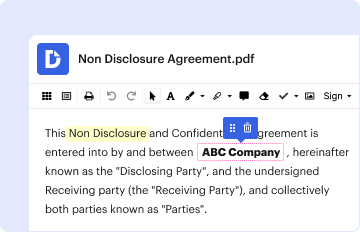
01. Edit your nyc doe tax exempt form online
Type text, add images, blackout confidential details, add comments, highlights and more.

Type text, add images, blackout confidential details, add comments, highlights and more.
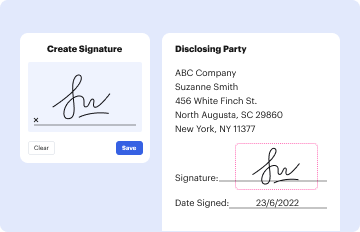
Draw your signature, type it, upload its image, or use your mobile device as a signature pad.
Send nycdoe tax exempt form via email, link, or fax. You can also download it, export it or print it out.
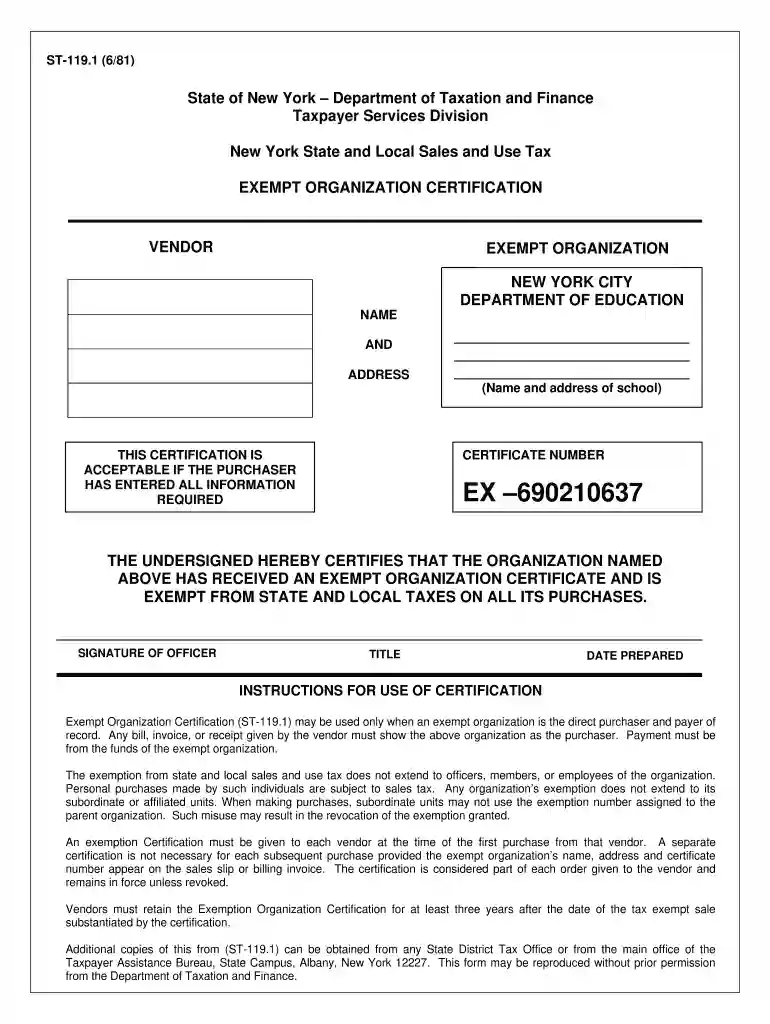
The NYC DOE tax exempt form, commonly referred to as the exempt organization certificate, is a crucial document that allows eligible organizations, such as those associated with the New York City Department of Education (NYC DOE), to make tax-exempt purchases. Specifically, this form verifies that the recipient is an exempt organization under New York State law, permitting tax-free transactions related to their operational functions. The form is particularly significant for educational institutions as it facilitates the reduction of costs associated with purchasing goods and services necessary for daily operations.
This document serves multiple purposes, including:
Understanding this definition is vital for organizations seeking to utilize the tax benefits associated with their exempt status effectively.
Using the NYC DOE tax exempt form involves several steps that organizations need to follow to ensure proper compliance and efficacy.
It is crucial to retain copies of these forms as documentation in case of an audit. Failure to follow proper usage can result in non-compliance with tax regulations.
Completing the NYC DOE tax exempt form correctly is essential for reapinng the benefits of tax exemption. Follow these detailed steps:
Various types of organizations utilize the NYC DOE tax exempt form, chiefly those engaged in educational and charitable activities. Common users include:
These organizations leverage the exempt status to reduce the cost associated with essential goods and operational requirements.


Understanding the legal framework surrounding the NYC DOE tax exempt form is essential for appropriate usage. The form must be used where legally permissible, and organizations must comply with regulations set forth by the New York State Department of Taxation and Finance. Unauthorized use can lead to:
Maintaining awareness of these legal requirements is crucial for organizations to safeguard their exempt status and comply with relevant laws.
We've got more versions of the nyc doe tax exempt form form. Select the right nyc doe tax exempt form version from the list and start editing it straight away!
At DocHub, your data security is our priority. We follow HIPAA, SOC2, GDPR, and other standards, so you can work on your documents with confidence.
This certificate will expire on April 30, 2027. To claim exemption from withholding for New York State personal income tax (and New York City and YonkersRead more
May 12, 2025 Sales tax exemption documents ; ST-119.1, Instructions on form, Exempt Organization Exempt Purchase Certificate is available by calling (518) 485Read more
tax dollars. An agency citing an operational file exemption to the FOIA will simply respond with a statement that such records would be contained inRead more


